MONROVIA – In a momentous occasion for Liberia, President Joseph Boakai issued a heartfelt apology for the atrocities committed during the nation’s civil wars, signaling a vital turning point in the ongoing quest for reconciliation and healing within the country.
His address was a highlight of Liberia’s National Reconciliation, Healing, and Unity Program, instilling renewed hope among citizens who continue to grapple with the deep scars left by a tumultuous past.
“Today, we embark on a new chapter in our national journey,” President Boakai proclaimed, calling upon all Liberians, regardless of their political affiliations or ethnic backgrounds, to unite in a spirit of collective healing.
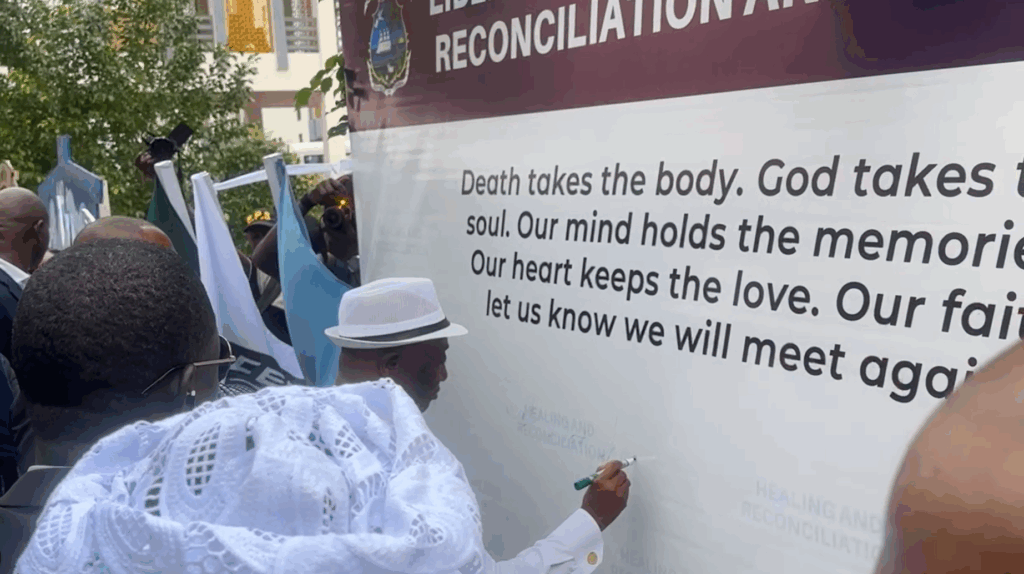
The apology was framed not merely as a symbolic gesture but as a genuine commitment to fostering transitional justice, resonating profoundly with those who have endured the impacts of the civil crisis.
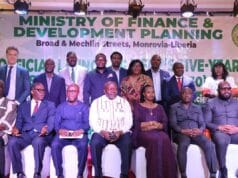
The diverse audience included government officials, civil society leaders, youth and women’s groups, and members of the diplomatic community, all underscoring a shared recognition of the urgent need for healing and accountability in Liberia.
In his poignant address, President Boakai acknowledged the harrowing legacy of the civil war, which lasted 15 years and claimed over 250,000 lives. “The collective memory of pain, violence, and loss weighs heavily on our society,” he stated, emphasizing the critical urgency of reconciliation efforts.

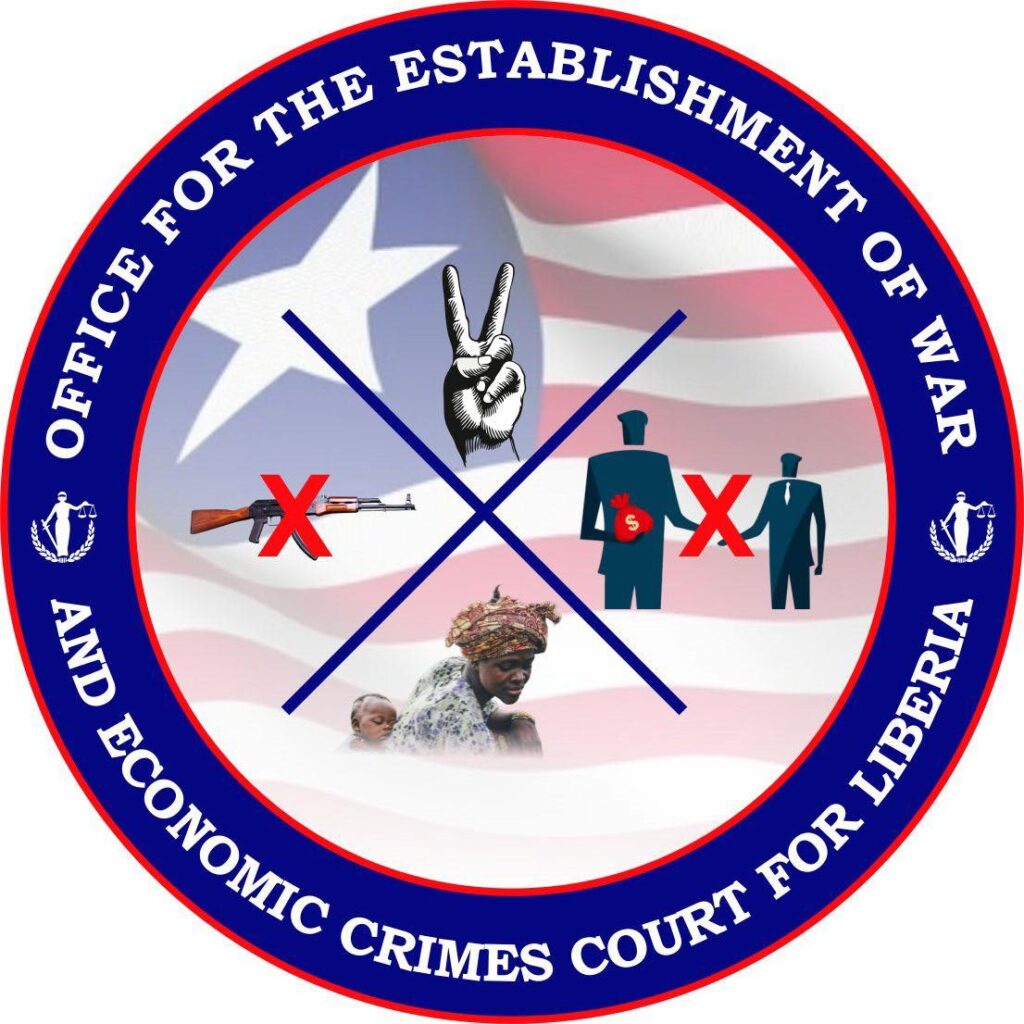
At the heart of the journey toward justice is the proposed establishment of a War and Economic Crimes Court—a topic that has gained traction both in Liberia and within the international community.
Following the Comprehensive Peace Accord, the Truth and Reconciliation Commission (TRC) was created to promote healing and accountability; however, many victims feel that the TRC’s promises remain largely unfulfilled.
Compounding the challenge are the financial constraints associated with establishing the War and Economic Crimes Court and an Anti-Corruption Court.
There are concerns regarding the reliance on personal finances for progress. “Everything is being done by dipping into the personal pockets of the team at the OWECC-L office,” a source lamented, highlighting the unsustainability of this approach.
Insufficient domestic financial support not only hampers progress but also sends troubling signals to international partners regarding Liberia’s commitment to justice for war victims.
Currently, salaries are six months in arrears, and there are no indications that the government has provided operational funding for the year.
Despite these challenges, President Boakai’s statement acknowledging the need for justice amidst calls to “let bygones be bygones” resonates positively with many who seek accountability for those lost during the war.
As Liberia stands at this crucial juncture, President Boakai’s call for collective action shines as a beacon of hope.
“Through our concerted efforts, we can pave the way for a brighter future—one where the echoes of past atrocities remind us to build a more peaceful and equitable society,” he concluded.
Liberians are now looking toward their leaders and one another, hopeful that this moment will be a catalyst for meaningful change in a nation still recovering from its painful history, with the courts serving as the mechanism for justice, accountability, and national stability. Anything less would undermine Liberia’s critical path to growth and reconciliation.