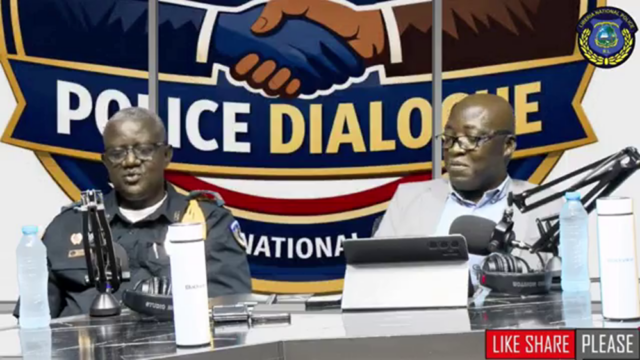
MONROVIA, Liberia — In a recent episode of Police Dialogue, Liberia National Police Deputy Inspector General for Operations J. Nelson Freeman outlined how ready the force is to respond to major crimes and emergencies, while candidly noting the resource gaps that can affect performance and the importance of community engagement.
Freeman, who oversees all uniformed operations and is one of four Deputy Inspectors General serving under the Inspector General, used the interview to describe what operational readiness really requires. He stressed that it is not just about how many officers are on the ground, but about a coordinated system that supports them from recruitment and training to welfare and logistics.
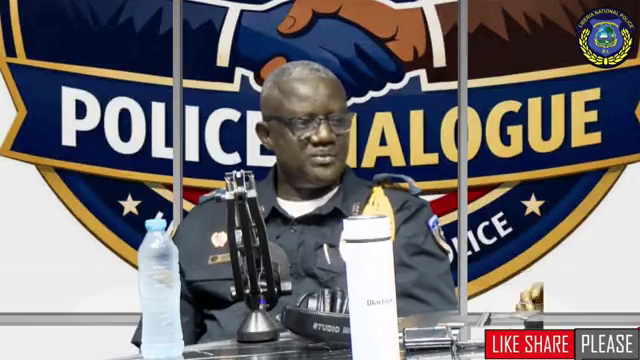
“Operational capacity requires more than numbers,” Freeman said. He explained that true readiness hinges on adequate manpower and professional training, but also on a conducive working environment. “You need to also take it to a conducive environment, that is infrastructure,” he said, noting that even with personnel and training, the lack of proper facilities can hinder effectiveness. He added that officer welfare—salaries and other incentives—as well as reliable logistics, are critical to sustaining motivated personnel.
Freeman also clarified the structure and scope of his role. As Deputy Inspector General for Operations, he pointed out that his office coordinates all uniformed operational activities across the country and can stand in for the Inspector General when both the Inspector General and the Administrative Deputy are absent. He pointed to the force’s staffing as a significant portion of Liberia’s police capacity, stating, “We constitute about more than 50% of the manpower capacity of the Liberia National Police.”
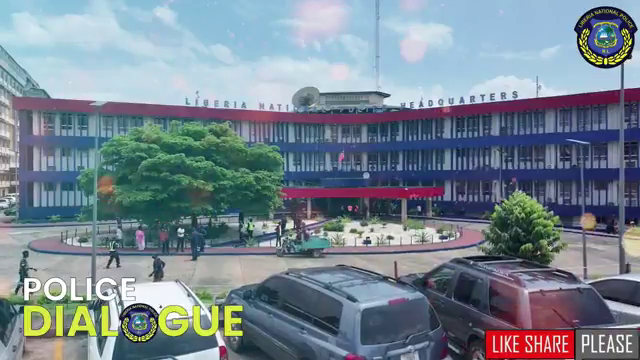
But even as he outlined the backbone of the force, Freeman acknowledged the gulf between aspiration and full capability. When pressed on readiness to respond to major crimes and emergencies, he conceded that “we might not have 100% capability because of the absence of some resources.” The admission underscored ongoing challenges in equipping and sustaining operations, particularly in hard-to-reach areas where coverage and response times can be stretched.
The interview also carried a broader message about policing in the public eye. Freeman reiterated the Police Dialogue program’s mission as a bridge between police and community, stressing the importance of transparency and direct communication. In an era of misinformation, he said, the police must “tell our own stories” to build trust and invite public feedback through channels like the Police Dialogue program.
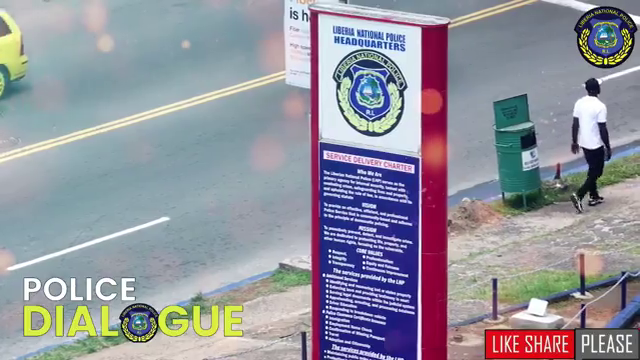
Freeman’s background reflects a long career in service to Liberia. He has logged more than 25 years in various Liberian regions, from rural to urban settings, and is a trained lawyer with international experience. His trajectory, which spans central headquarters to field operations, informs his emphasis on both strategic planning and practical, on-the-ground capability.
For the public, the episode reinforced that policing in Liberia is a coordinated, resource-dependent endeavor. Viewers were reminded that readiness rests on robust manpower, ongoing training, dependable logistics, and solid welfare policies. The program also highlighted Police Dialogue as a platform for direct engagement—an approach Freeman said can strengthen trust and cooperation between police and communities.
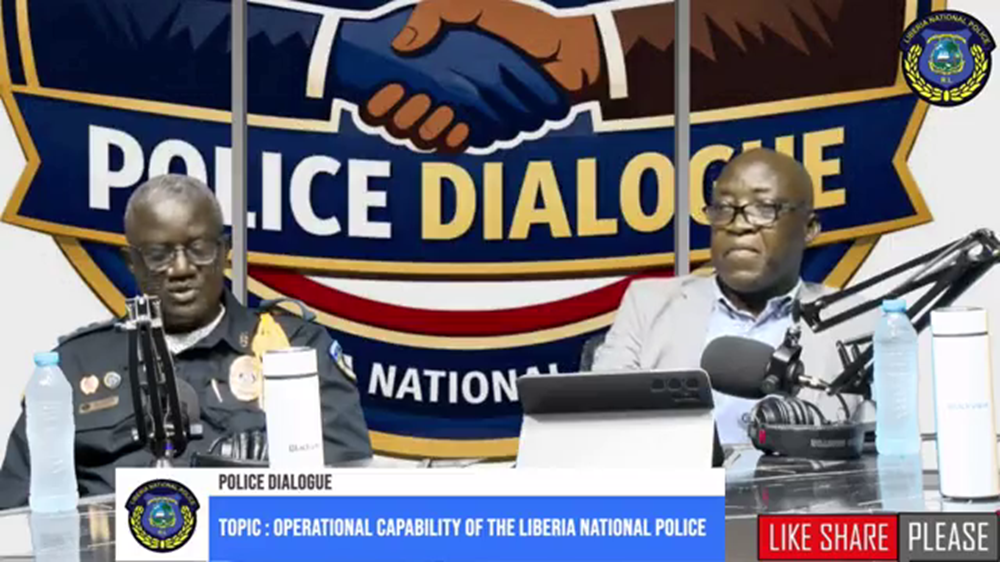
Looking ahead, Freeman suggested that the dialogue would continue to emphasize transparency and public collaboration. He noted the possibility of broader media exposure in future episodes and encouraged listeners to participate, with questions tracked during each program and responses provided by the deputy for operations.
Police Dialogue will carry on with appearances by senior officers, law enforcement experts, and community leaders to discuss crime prevention, road safety, and how citizens can assist. Viewers can tune in on the Liberia National Police’s official Facebook page, submit questions, and follow updates as the LNP pursues improvements in readiness and community partnership.