MONROVIA, Liberia — A fresh dispute has erupted over the origins of Liberia’s Value Added Tax (VAT) reform, with S. Emmanuel Lloyd Sr. publicly accusing former Finance and Development Planning Minister Samuel D. Tweah of distorting the history of the country’s transition to the VAT regime.
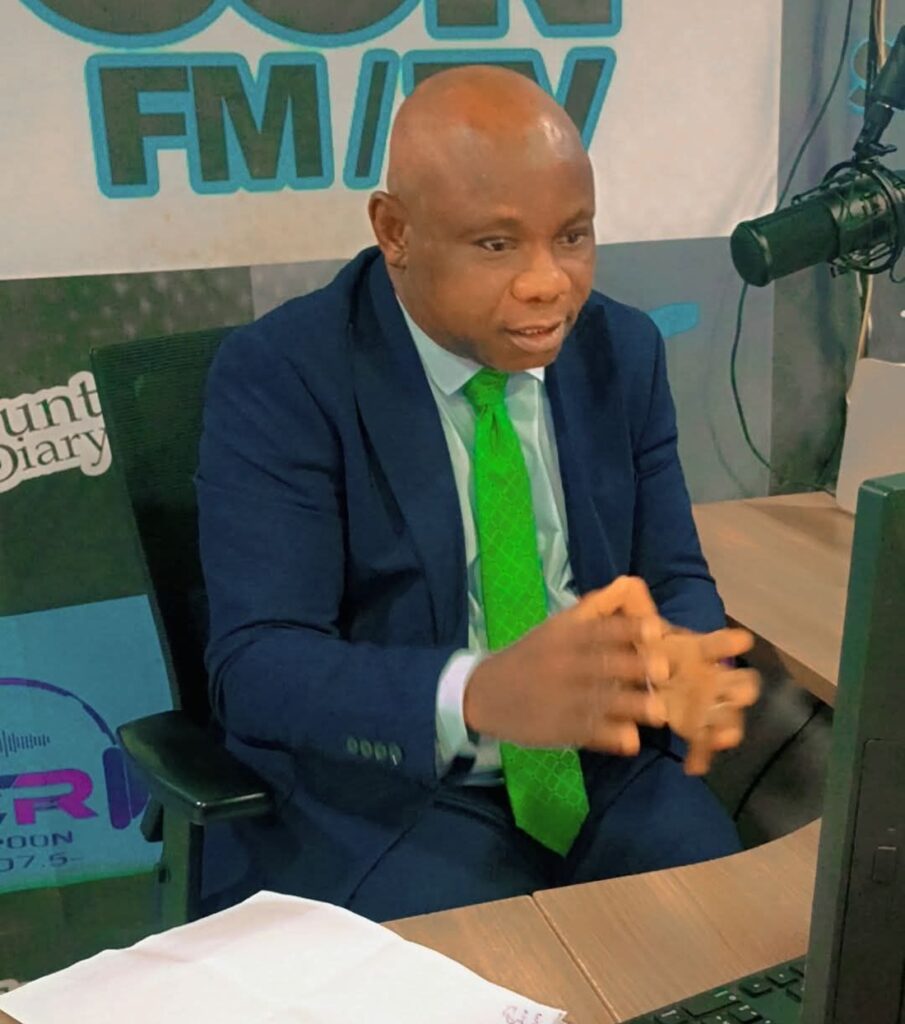
In a strongly worded statement titled “Mr. Samuel Doe Tweah Lies Again: The Truth About the Introduction of the Value Added Tax Regime,” Lloyd rejected Tweah’s recent assertions that the current administration is merely “playing in our foundation,” arguing instead that the VAT reform is the product of a long, multi-administration process dating back to 2009.
Lloyd contended that Tweah’s claims overlook the institutional groundwork laid well before the former minister assumed office.
VAT Reform Began in 2009
According to Lloyd, the genesis of Liberia’s VAT transition can be traced to regional efforts by the Economic Community of West African States (ECOWAS) to harmonize tax systems among member states.
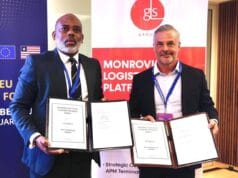
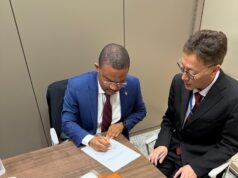
He pointed to a May 26, 2009 meeting of ECOWAS Ministers in Abuja, Nigeria, during which a directive was adopted to harmonize VAT laws across the region. Subsequently, on August 3, 2009, the ECOWAS Commission and the Government of Liberia—through the Ministry of Finance—signed a Memorandum of Understanding (MoU) establishing the institutional and technical framework for the VAT transition.
At the time, Hon. Augustine Kpehe Ngafuan served as Minister of Finance.
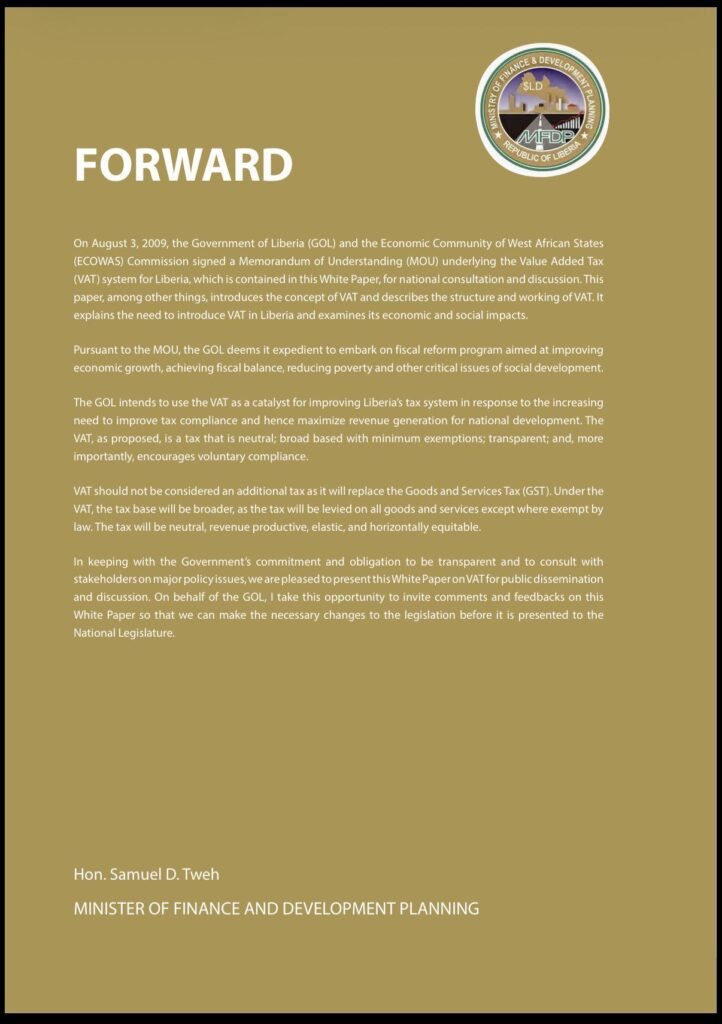
“That agreement laid the institutional and technical foundation for introducing VAT in Liberia,” Lloyd asserted.
He added that following the MoU, Liberia undertook technical missions, study tours, capacity-building programs, and legislative drafting. The first draft VAT law, he noted, was produced as early as 2011.
“The reform has since progressed across successive administrations, supported by ECOWAS, development partners, and dedicated Liberian professionals,” Lloyd stated.
Roadmap Predated Tweah’s Tenure
Lloyd maintained that when Tweah became Minister of Finance in 2018 under the administration of former President George Weah, he inherited an already established roadmap for VAT implementation.
“The records reflect that as Finance Minister, Tweah inherited a roadmap for Liberia’s transition to VAT in 2018,” Lloyd argued. “Four years later, his only success story for which he’s desperate for praise is the submission of the VAT Bill to the legislature.”
He questioned why the VAT bill, submitted during Tweah’s tenure, did not advance more rapidly in a legislature then dominated by members of the Coalition for Democratic Change (CDC).
“This same Tweah used 4G high speed to pass the Harmonization and Payroll Standardization Act of 2019,” Lloyd said. “Do you want to tell me that he couldn’t have done the same with the VAT Bill?”
According to Lloyd, the VAT bill remained in committee until 2024, when it was finally passed into law under the current administration led by President Joseph Nyuma Boakai Sr.
President Boakai signed the VAT Act of 2024 into law, marking a major milestone in Liberia’s tax reform agenda.
A Multi-Administration Reform Effort
Lloyd emphasized that the VAT reform was not the accomplishment of a single individual or political party, but rather the cumulative effort of multiple administrations and professionals over more than a decade.
He referenced the role of former President Ellen Johnson Sirleaf’s administration, under which the foundational technical and policy work began, including the establishment of a VAT Unit in 2010 within the Ministry of Finance.
He also acknowledged contributions made during subsequent administrations, including support mobilized in 2017 under then-Finance Minister Boima S. Kamara to finance preparatory work for VAT implementation.
In addition, Lloyd cited the training of Liberian professionals in tax policy and VAT administration over the years, including capacity-building programs conducted regionally and internationally.
“The reform has progressed across successive administrations,” he said, “and it is inaccurate to suggest that it belongs to any single minister.”
Ngafuan’s Approach Contrasted
Lloyd contrasted Tweah’s alleged self-crediting posture with what he described as a more institutional approach taken by current Finance and Development Planning Minister Augustine Kpehe Ngafuan.
At the recent launch of the nationwide VAT awareness campaign, Lloyd said, Ngafuan focused on motivating Liberia Revenue Authority (LRA) staff to intensify domestic resource mobilization efforts rather than claiming personal credit for the reform.
He noted that Ngafuan could have highlighted his own role in signing the 2009 ECOWAS MoU or in sending Liberian professionals for specialized tax training, but instead chose to emphasize collective responsibility.
“Minister Ngafuan didn’t have to praise himself and all the pioneers in Liberia’s transition to VAT,” Lloyd stated, adding that the objective of the event was to strengthen implementation momentum rather than revisit political history.
Broader Context of Fiscal Reform Debate
The latest exchange between Lloyd and Tweah comes amid heightened scrutiny of fiscal policy decisions and tax reforms in Liberia. Public debate over revenue mobilization strategies, domestic tax reforms, and legacy economic policies has intensified in recent months, particularly as the government advances implementation of the VAT regime.
VAT is expected to replace the Goods and Services Tax (GST) and is designed to modernize Liberia’s tax system, improve compliance, broaden the tax base, and enhance domestic revenue generation.
As Liberia transitions toward full VAT implementation, the reform remains one of the most significant fiscal policy shifts in recent years.
A Call for Accuracy
Lloyd concluded his statement by urging greater factual accuracy in public discourse surrounding the reform.
“All the facts reveal that the contrary is true with regard to VAT,” he asserted, rejecting Tweah’s claim that the current government is merely building on a foundation exclusively laid by the previous administration.
The unfolding debate underscores the political sensitivity surrounding major economic reforms, particularly those that span multiple administrations and require long-term continuity.
As Liberia moves closer to full VAT implementation, the focus now shifts from attribution to execution—ensuring that the reform delivers on its promise of increased revenue, improved transparency, and strengthened fiscal sustainability.
Follow The Liberian Post on Facebook and X (formerly twitter)