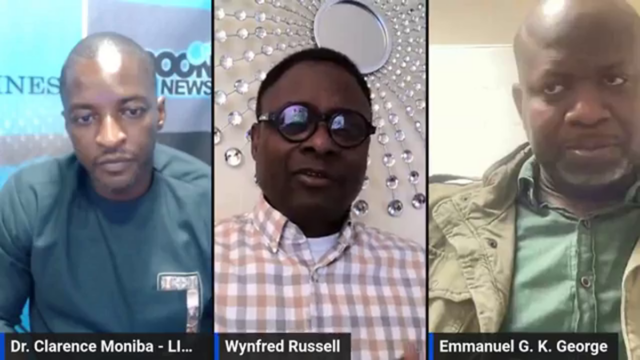
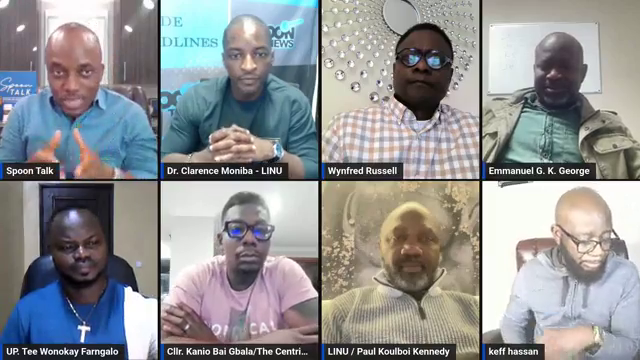
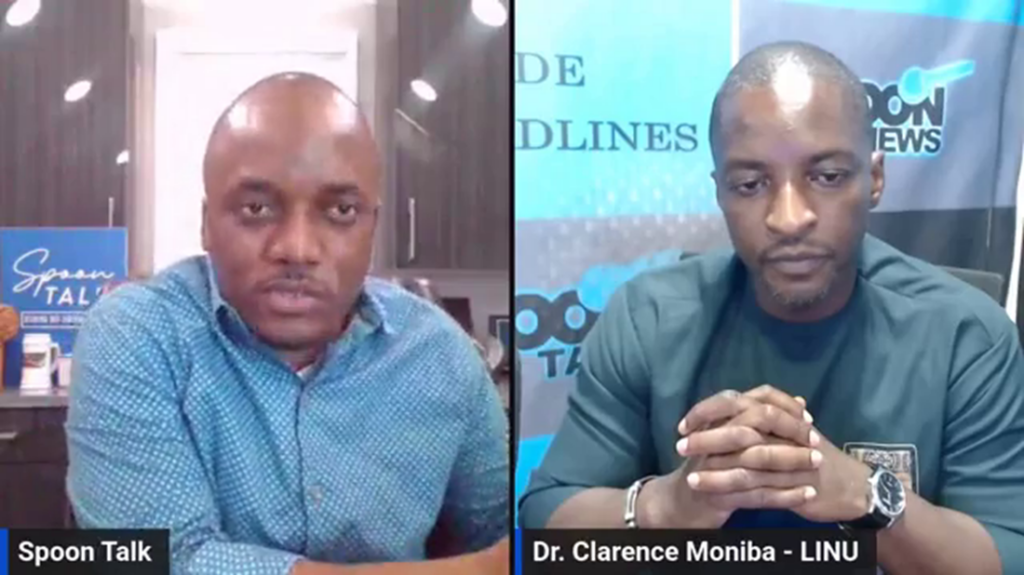
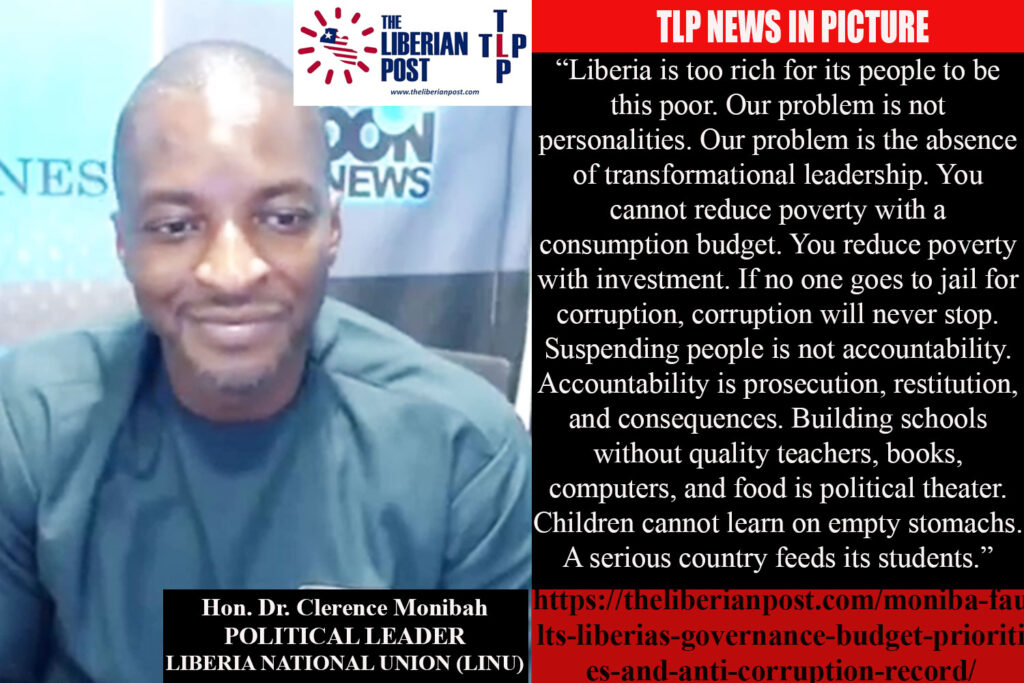
MONROVIA — Dr. Clarence K. Moniba, political leader of the Liberia National Union (LINU), has warned that Liberia is entering a precarious phase marked by economic strain, rising youth frustration, and growing democratic risk if urgent reforms are not undertaken. Speaking during his maiden appearance on Spoon Talk on Spoon FM on New Year’s Day, Moniba said persistent unemployment, cost-of-living pressures, and weak state responsiveness are steadily eroding public confidence in governance.
Moniba argued that Liberia’s most serious challenge is not political rivalry but the widening gap between citizens’ expectations and their lived realities. He said young people, in particular, feel excluded from economic opportunity and decision-making, a condition he described as “dangerous for any democracy.” According to him, when youth frustration is ignored or trivialized, it does not disappear—it mutates into anger, protest, and, eventually, instability.
“The young people are not protesting because they love chaos,” Moniba told listeners. “They are protesting because they feel unheard, unemployed, and unprotected by the system.” He cautioned that treating dissent as a security problem rather than a governance failure risks deepening mistrust between citizens and the state.
The LINU leader said Liberia’s economic fragility is most visible in the daily struggle for survival faced by ordinary households. Rising prices, limited job creation, and overdependence on imports, he noted, continue to squeeze family incomes while leaving graduates idle. He warned that without deliberate investment in productive sectors—particularly agriculture, manufacturing, and small enterprise—economic hardship will persist regardless of who occupies political office.
Moniba also addressed the political implications of economic stress, warning that prolonged hardship can weaken democratic culture. He said when citizens lose faith in elections as a pathway to improved living standards, apathy and extremism begin to grow. “Democracy is not sustained by slogans,” he said. “It is sustained when people can see and feel progress in their lives.”
On youth unemployment, Moniba described the situation as a looming national security concern rather than a mere social issue. He argued that Liberia’s youthful population should be viewed as a strategic asset, not a burden, and urged policymakers to align education and training with labor-market needs. He called for large-scale skills development, apprenticeships, and private-sector partnerships to absorb young people into productive work.
The opposition leader further criticized what he called a reflexive tendency by authorities to frame public protests as acts of hostility against the state. While acknowledging the need for public order, Moniba said democratic governments must balance security with engagement. “A confident democracy listens first,” he said. “It explains, it negotiates, and it reforms—before it deploys force.”
Moniba emphasized that political leadership must show empathy and transparency in moments of national strain. He warned that dismissive rhetoric toward struggling citizens only accelerates polarization. According to him, effective leadership requires acknowledging hardship, communicating honestly about constraints, and presenting a credible path forward.
Reflecting on Liberia’s broader democratic trajectory, Moniba said the country has made important gains since the end of its civil conflict but risks stagnation if economic grievances continue to pile up. He urged both the government and opposition actors to resist inflammatory politics and instead focus on stabilizing the economy and restoring public trust.
“Liberia remains peaceful today,” Moniba noted, “but peace must be constantly renewed through justice, opportunity, and inclusion.” He said democracy is ultimately fragile when citizens believe the system works only for a few.
As Liberia enters 2026, Moniba’s message was a cautionary one: that ignoring economic pain and youth disillusionment could undermine the country’s hard-won democratic gains. His appearance signaled LINU’s intention to frame its opposition politics around governance outcomes rather than personalities—warning that without urgent economic and social reforms, Liberia’s political stability could face severe tests in the years ahead.