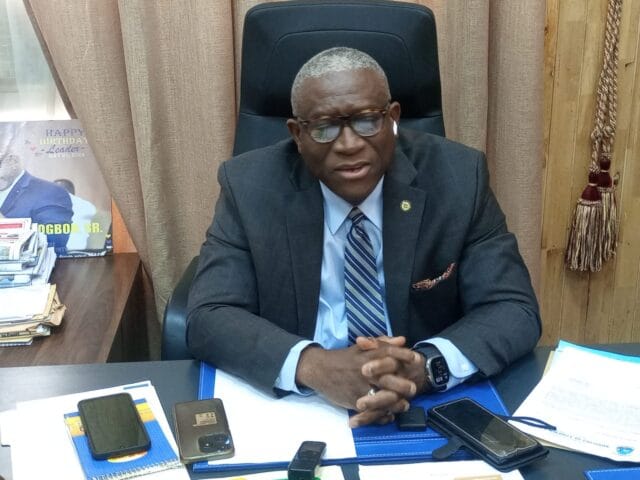
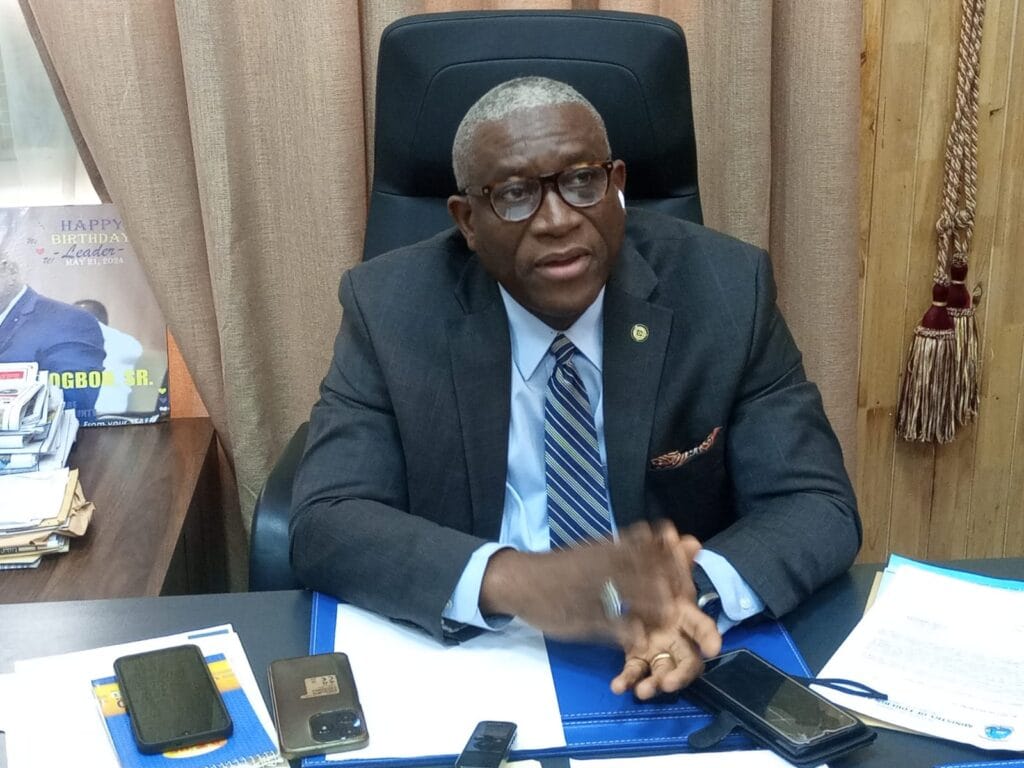
MONROVIA – Montserrado County District 12 Representative Jerry K. Yogboh has introduced a landmark bill aimed at facilitating land ownership for more than 60,000 Liberians in the Chicken Soup Factory area. The proposed legislation seeks to amend a 1965 law regarding land expropriation for industrial development, addressing long-standing grievances from residents who have advocated for their rights to own land.
The bill, if approved by both the House of Representatives and the Senate, will enable property owners in the region, specifically those with holdings outside the designated 200-acre industrial zone within the Monrovia Industrial Park (MIP), to acquire legal ownership of their land. This move is seen as a significant step in resolving the issues surrounding land tenure and ownership in the area, which has seen residents vocalizing their demands for rights to the land they occupy.
Under the provisions of the bill, residents will be able to secure ownership by paying a nominal fee into the Government of Liberia’s revenue account. The ownership fees are set at US$60 for each house-site, US$80 for half-lots, and US$150 for full lots. These payments are aimed at making land ownership accessible while generating revenue for the government.
Despite these changes, the legislation maintains that the Government of Liberia will retain ownership of land currently leased to companies operating within the MIP, ensuring that the industrial development goals of the area continue to be met.
Representative Yogboh has highlighted the importance of this bill in transforming the livelihoods of thousands of Liberians, emphasizing that land ownership is a fundamental right that will empower the local population and promote economic growth. The introduction of this bill has been met with enthusiasm in the community, as many have long protested for their rightful ownership of these lands.
As the bill moves through the legislative process, all eyes will be on the lawmakers to see if it can successfully pass, setting a precedent for land ownership and community empowerment in Liberia.