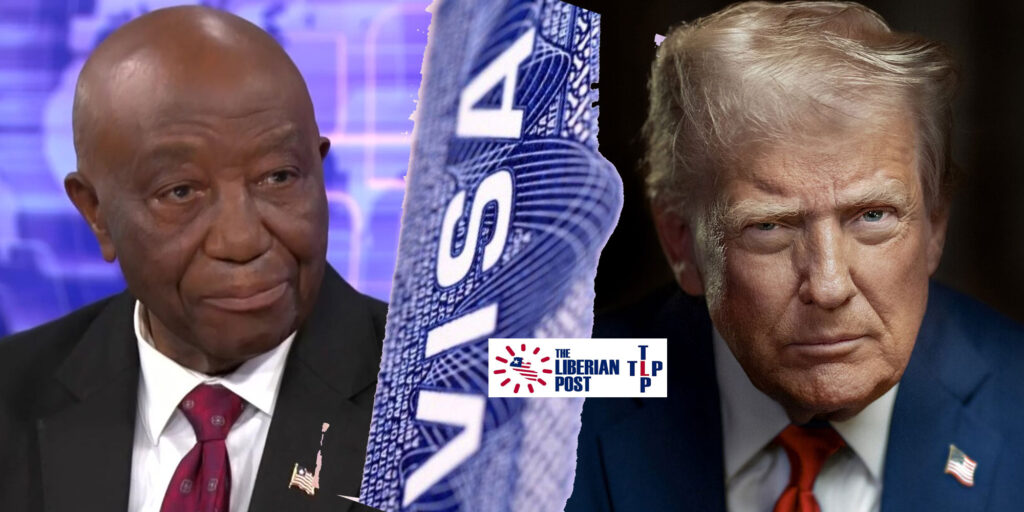
MONROVIA, Liberia — Opposition politician Simeone Freeman has criticized the Ministry of Foreign Affairs for what he calls heavy spending and “ceremonial” diplomacy, downplaying Washington’s decision to extend the validity of certain U.S. visas for Liberians from one to three years.
In a commentary titled “US Visa Extension — Should We Celebrate or Not?”, the Movement for Progressive Change (MPC) political leader argued the United States’ move is a routine act of reciprocity, not a national achievement warranting celebration.
“Visa extension is a simple diplomatic process of reciprocity, where one nation rewards another with the same/similar duration of stay,” Freeman wrote, citing examples of longer‑validity visas issued to Indian and Ghanaian passport holders. He claimed that “less than 10,000” Liberians hold multiple‑entry U.S. visas and asserted that “government officials — with diplomatic passports — are the largest beneficiaries,” adding that extended validity could spur “new opportunities to spend public resources.”
Freeman further contended that Liberians should “celebrate tangibles,” urging the government to focus on “lowering the US$20 million spent on foreign affairs and leverage cost‑saving ways to administer diplomacy.” He argued that “choices like [a United Nations] Security Council seat and visa extension are not achievements,” framing them as symbolic rather than substantive wins. The Ministry has not publicly responded to the spending figure he cited; The Liberian Post could not immediately verify it.
Government Welcomes U.S. Move
The critique contrasts with the administration’s view. Days earlier, President Joseph Nyuma Boakai welcomed the U.S. State Department’s decision to revise its reciprocity schedule, extending the validity of B1 (business), B2 (tourism), and B1/B2 (business/tourism) visas for qualified Liberian applicants to three years, with no reciprocity fee.
The President called the step “a clear demonstration of the strong and enduring partnership between Liberia and the United States, grounded in mutual respect, shared democratic values, and a common vision for progress,” saying it will “ease travel, promote business and investment opportunities, and deepen people‑to‑people ties.” He added the change “reflects growing confidence in Liberia’s progress and global engagement.”
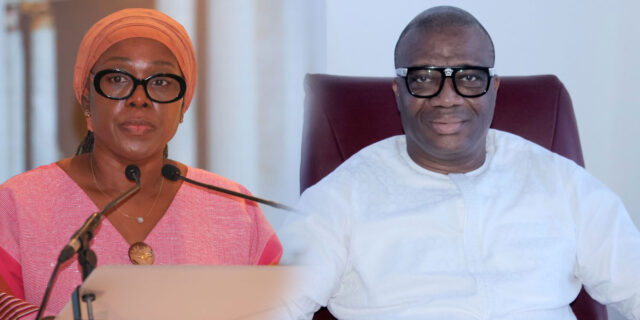
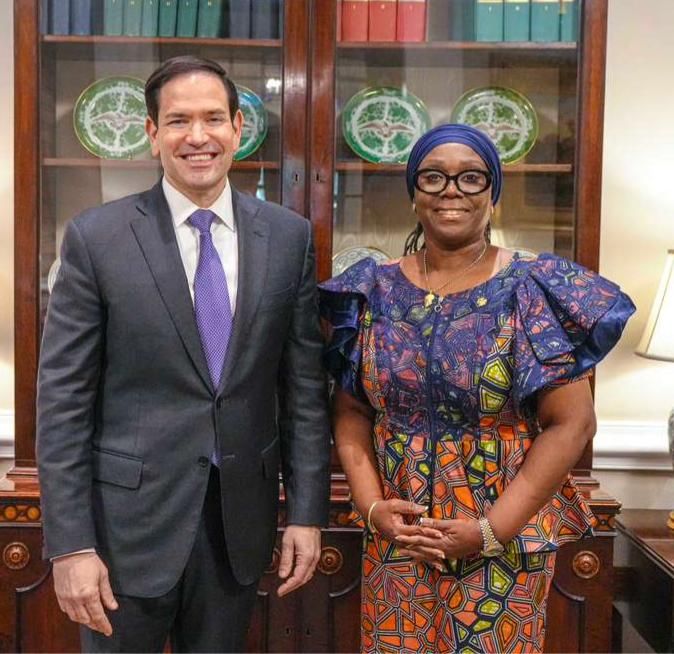
Foreign Minister Sara Beysolow Nyanti said the ministry, under the President’s foreign‑policy vision, will continue engaging Washington and other governments “to further expand areas of mutual cooperation and benefits for Liberian citizens abroad.”
What the change means Under the updated reciprocity schedule, eligible Liberian applicants who receive B1/B2 visas will get multiple‑entry visas valid for up to 36 months. The decision does not guarantee visa issuance or alter U.S. admission decisions at the port of entry; it extends the period during which qualified travelers can use the visa to seek entry for short‑term business or tourism.
Freeman’s Argument
Freeman, a businessman‑turned‑politician known for sharp critiques of successive administrations, said while the U.S. gesture is “good,” it should not be framed as a major national milestone. He urged Liberians to reserve praise for domestic outcomes that directly change daily life, pointing to foreign direct investment, service delivery, and measurable economic gains.
He also suggested the primary beneficiaries of longer‑validity visas would be officials, not ordinary travelers, and questioned whether broad celebrations were justified. “Does it require national celebration? The answer is a resounding no,” he wrote.
What’s Next
- The government has framed the visa change as part of a broader engagement agenda with key partners. Officials say they are pursuing additional measures aimed at easing travel, facilitating trade, and improving services for Liberians abroad.
- Freeman and the MPC are likely to continue pressing for cuts in what they describe as nonessential foreign‑affairs spending and for a sharper focus on outcomes at home.
The Foreign Ministry had not issued a direct response to Freeman’s spending critique by press time. This story will be updated if the Ministry provides comment or additional detail on current budget allocations and priorities.