
Land Disputes and Demolitions: A Call for Policy Reform. My personal opinion, not necessarily because of the demolition of the CDC headquarters, but a careful look at several occurrences.
The demolition of completed structures, often worth thousands of U.S. dollars, is becoming an alarming trend that undermines our fragile economy and hinders infrastructural development. In a nation still struggling to bridge massive gaps in infrastructure, the destruction of investments that could contribute to growth is nothing short of counterproductive.
Policymakers must recognize that many of those affected are not trespassers but innocent purchasers who acquired land in good faith. They invest life savings to develop properties, only for disputes to surface years later, after the land has appreciated and structures have been erected. At that point, ownership claims suddenly emerge, raising critical questions: Why was the land left idle for so long? Why does ownership often become contested only when value has been added?
This uncertainty erodes confidence in real estate investment. If citizens cannot be assured that their investments will be protected, they will simply withdraw from development altogether. For a nation in dire need of sustainable infrastructure, this is a dangerous path.
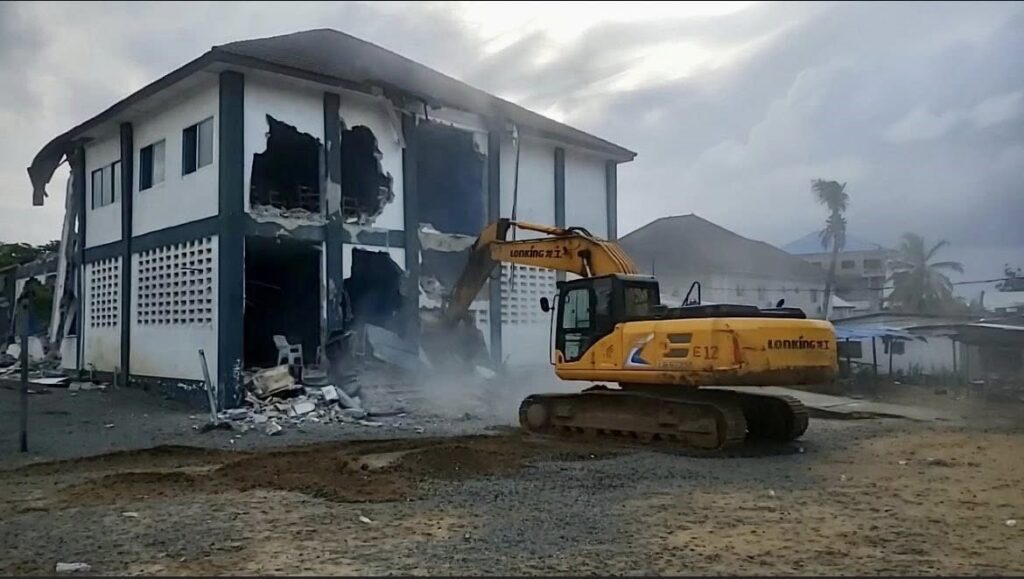
Government intervention is therefore urgent. Land crises must be addressed through decisive policies that balance legal ownership with fairness, equity, and national interest. Courts must be guided to consider not just title documents but also key contextual factors, such as:
1. Who holds the legitimate title?
2. When and under what condition did the present occupant take possession?
3. What was the state of the land at that time?
4. When did the claimant first raise objections?
5. What is the current value of the property?
6. What socio-economic impact does the development bring to the community?
By incorporating these considerations, judgments will better align with both justice and national development goals.
The reality is simple: when one individual’s claim threatens the livelihoods and investments of thousands, the broader national interest must prevail. Policymakers must act now to reform land dispute resolution mechanisms, ensuring that they promote sustainable infrastructure, protect genuine investors, and strengthen public trust in our legal and economic systems.
National development cannot thrive in an environment where demolition replaces dialogue, and destruction outweighs fairness. If we are serious about growth, we must rethink how we resolve land cases; because the stability of our economy and the future of our infrastructure depend on it.