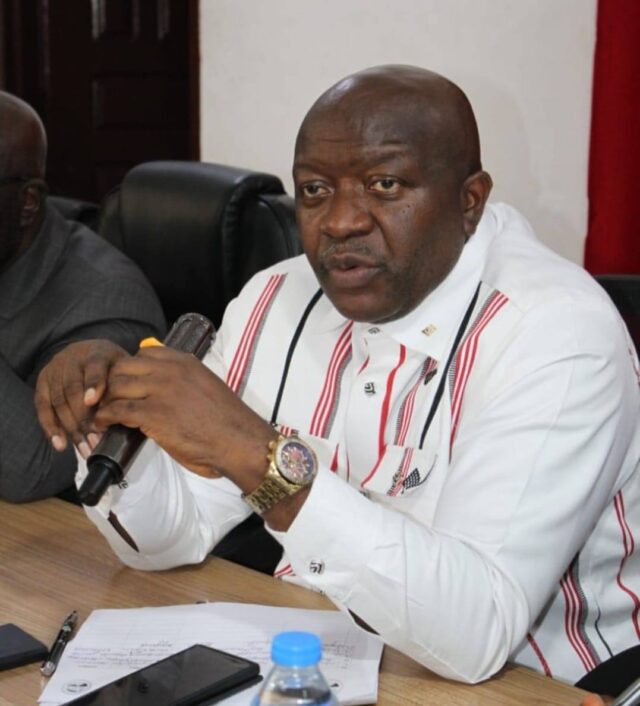
MONROVIA, Liberia – Liberia’s Minister of Finance and Development Planning, Augustine Kpehe Ngafuan, has expressed profound appreciation to the visiting team from the Millennium Challenge Corporation (MCC) for their recent engagement in Liberia aimed at helping the country develop a comprehensive Root Cause Analysis (RCA) document as part of preparations for a potential second MCC Compact.
Speaking following a series of technical workshops held in Monrovia and Ganta, Nimba County, Minister Ngafuan commended the MCC delegation—led by MCC Deputy Vice President Caroline Nguyen—for what he described as a productive and honest partnership with the Liberian government.
“Let me, on behalf of President Boakai and the Government of Liberia, again extend thanks to the Government of the United States and to the MCC team,” Ngafuan said. “It hasn’t been a walk in the park, but we have operated in the spirit of partnership and honesty.”
Two Weeks of Intensive Engagement
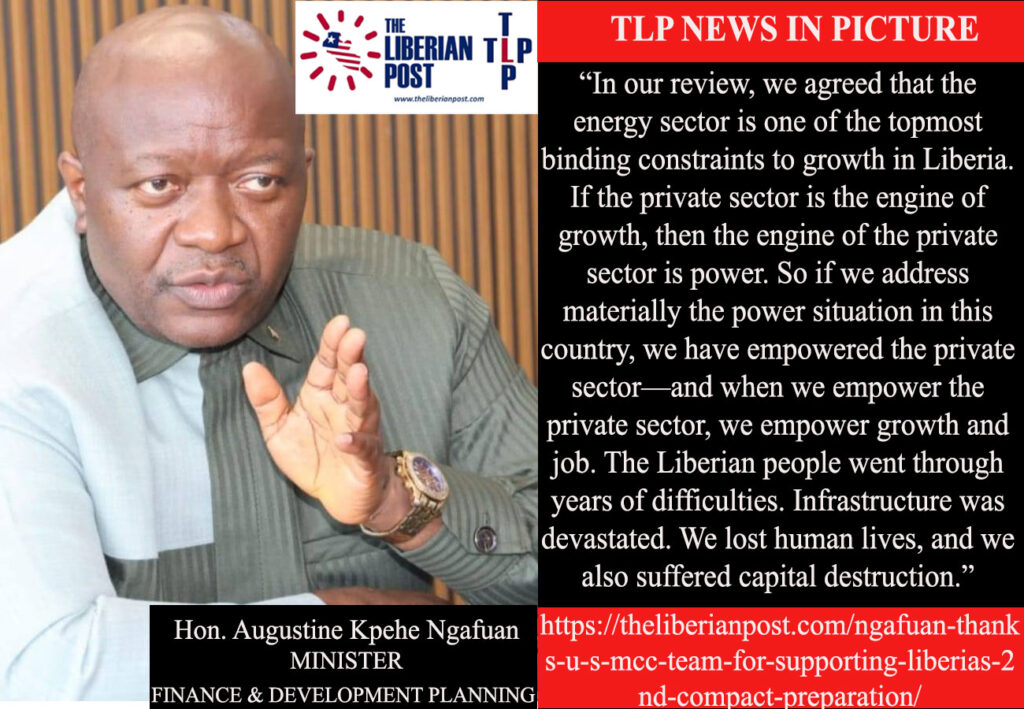
The MCC team spent nearly two weeks in Liberia working alongside officials from the Ministry of Finance and Development Planning (Liberia) and other government institutions to identify the key structural barriers hindering economic growth in the country.
The engagements included technical workshops and consultations with stakeholders in both Monrovia and Ganta, where participants analyzed development challenges and explored strategies for addressing them through the proposed compact program.
According to Ngafuan, the workshops represent a critical step in Liberia’s effort to move quickly through the compact development process.
“A compact development journey could take between 18 months to two years if people slow down the process,” he said. “But the Government of Liberia intends to sprint—and to sprint well.”
Energy Identified as Key Constraint
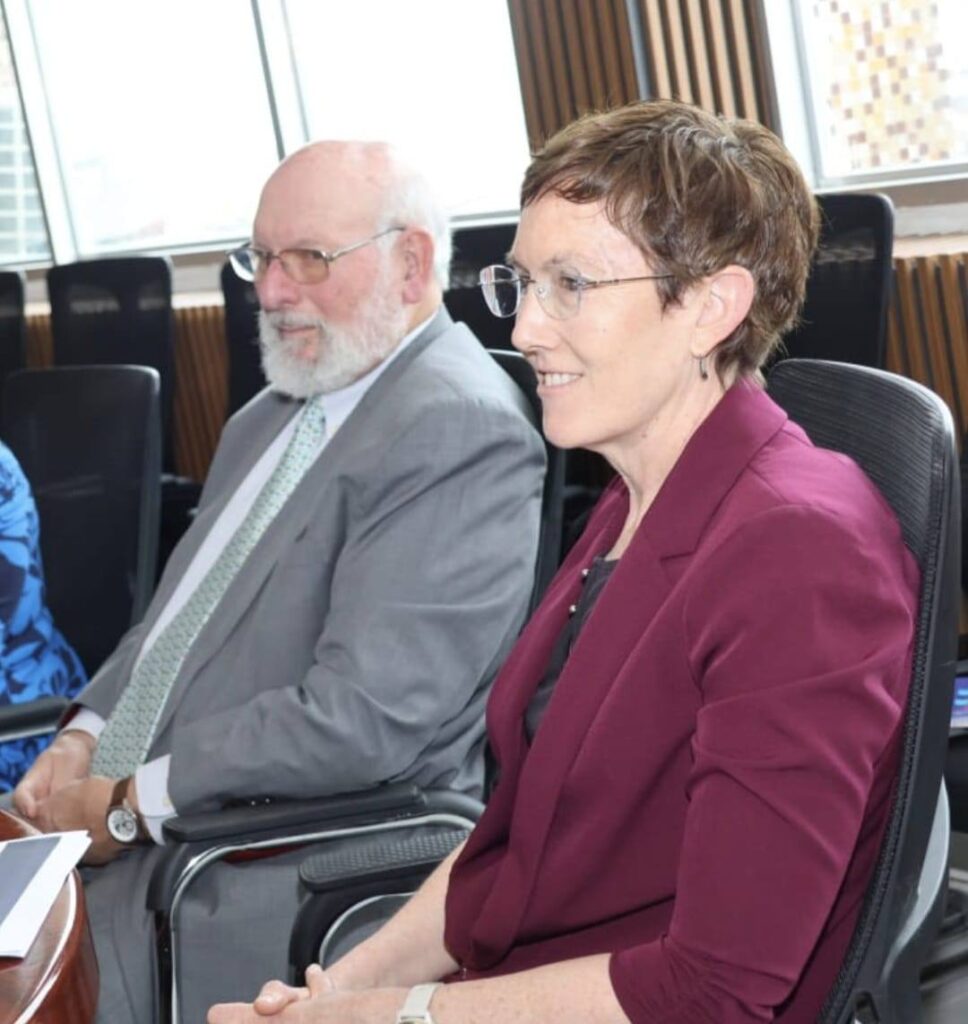
Ngafuan emphasized that one of the major outcomes of the discussions has been the identification of electricity and energy access as one of the country’s most significant obstacles to economic growth.
He said the government intends to channel any resources obtained through the compact toward addressing the power deficit.
“In our review, we agreed that the energy sector is one of the topmost binding constraints to growth in Liberia,” Ngafuan explained. “If the private sector is the engine of growth, then the engine of the private sector is power.”
The Finance Minister stressed that improving electricity supply would directly stimulate economic activity, expand investment, and create employment opportunities.
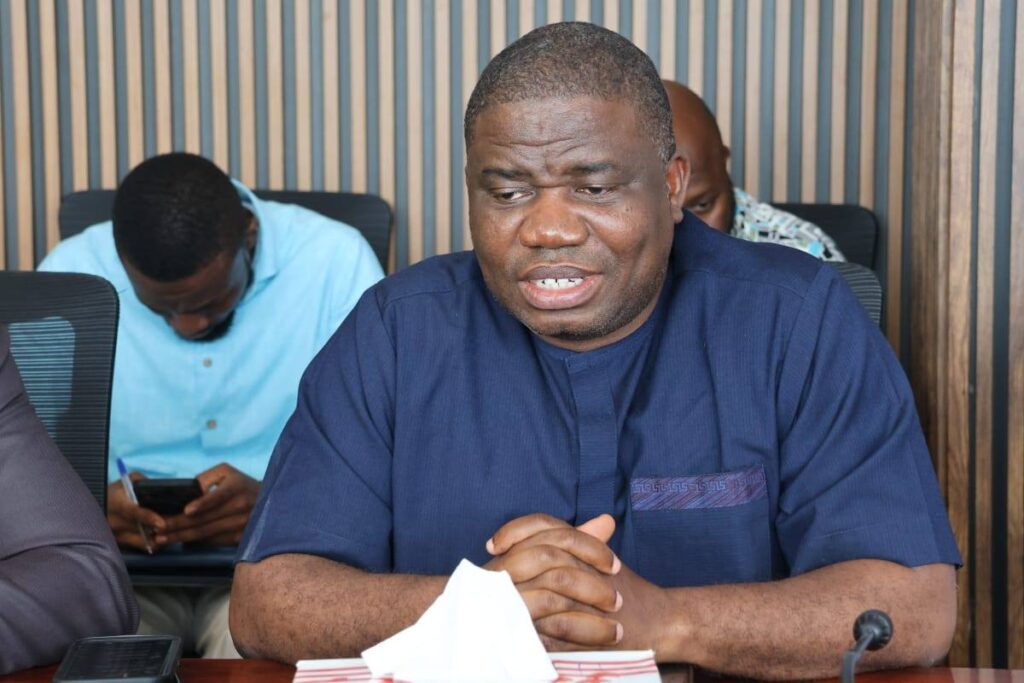
“So if we address materially the power situation in this country, we have empowered the private sector—and when we empower the private sector, we empower growth and jobs,” he said.
Rebuilding Beyond Post-War Recovery
Ngafuan also reflected on Liberia’s long road to economic recovery following years of civil conflict that destroyed major infrastructure, including the Mount Coffee Hydropower Plant.
“The Liberian people went through years of difficulties,” he noted. “Infrastructure was devastated. We lost human lives, and we also suffered capital destruction.”

However, he emphasized that the government’s development agenda is not simply about rebuilding what was lost during the war.
“We are not just trying to return to pre-war status,” he said. “We must think about a new day and a new age, and create a stronger backbone for our economy.”
Aligning with Liberia’s Energy Compact
The Minister further revealed that Liberia has already developed an Energy Compact under the Mission 300 initiative, supported by the World Bank and the African Development Bank.

That program, estimated at more than US$1.2 billion, aims to expand electricity generation, transmission, and distribution while mobilizing financing from the government, private sector investors, and international development partners.
Ngafuan said the MCC compact will complement these broader national efforts to modernize Liberia’s energy infrastructure.
Appreciation for U.S. Support
The Finance Minister also extended gratitude to the United States Embassy in Liberia for its continued support throughout the compact preparation process.

“You have been with us in this process,” he said. “You advised us, worked with the MCC, and have been rooting for Liberia.”
Ngafuan emphasized that the ultimate goal of the compact initiative is to improve the lives of ordinary Liberians.
“You are not doing this for President Boakai or Minister Ngafuan,” he said. “You are doing it for Liberia—for the people who are yearning for development.”

Looking Ahead
As the Root Cause Analysis process concludes, Ngafuan said the government looks forward to receiving a formal debrief from the MCC team and continuing discussions during upcoming international meetings, including the IMF–World Bank Spring Meetings in Washington, D.C.
He expressed confidence that the partnership between Liberia and the MCC will ultimately help unlock transformative development opportunities for the country.
“We are on a journey that is noble,” Ngafuan concluded. “There will be challenges along the way, but I am certain that the partnership we have forged will make us succeed.”
Follow The Liberian Post on Facebook and X (formerly twitter)