— Finance Minister Champions Africa’s Resource Rights, Infrastructure Investment, and Power Sector Transformation at World Bank Forum
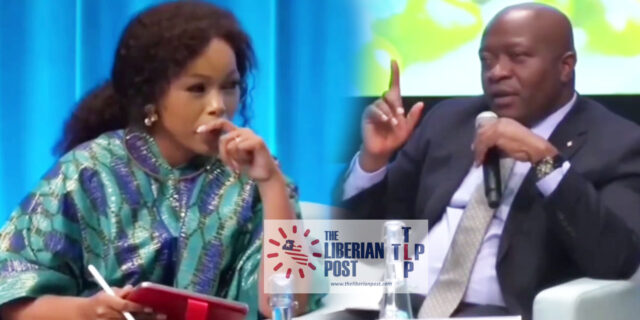
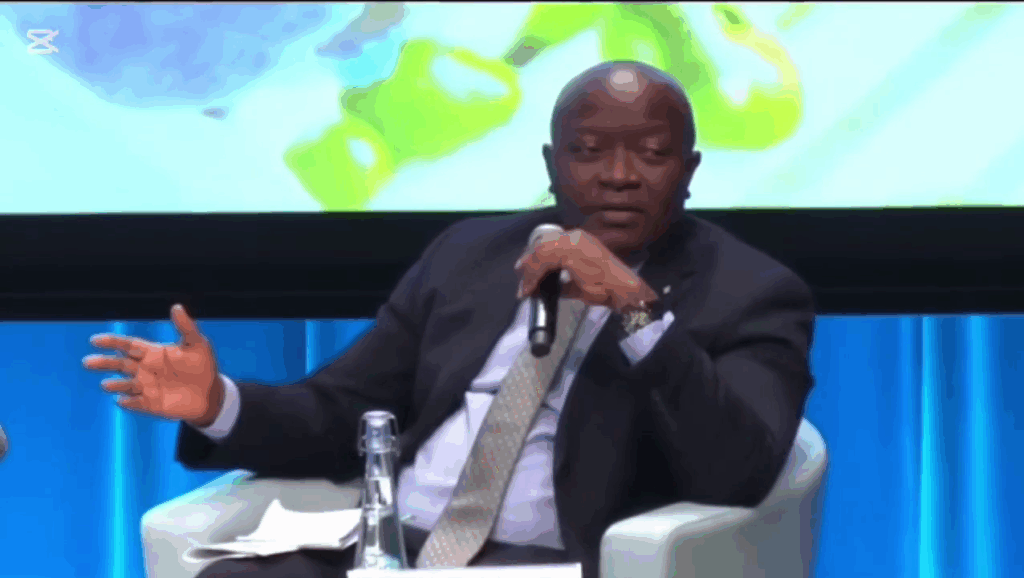
Washington D.C., USA – Liberia’s Minister of Finance and Development Planning, Hon. Augustine Kpehe Ngafuan, has called for a global economic realignment that empowers Africa to benefit more equitably from its natural wealth and promotes fair trade and investment rules. Speaking on the sidelines of the World Bank Group’s Spring Meetings, Minister Ngafuan delivered a passionate message about resource justice, financial independence, and the urgent need for Africa — and Liberia in particular — to build sustainable energy and infrastructure systems.
In a wide-ranging intervention during a high-level panel discussion, Minister Ngafuan challenged the existing global economic order, calling it “asymmetrical” and biased against developing nations.
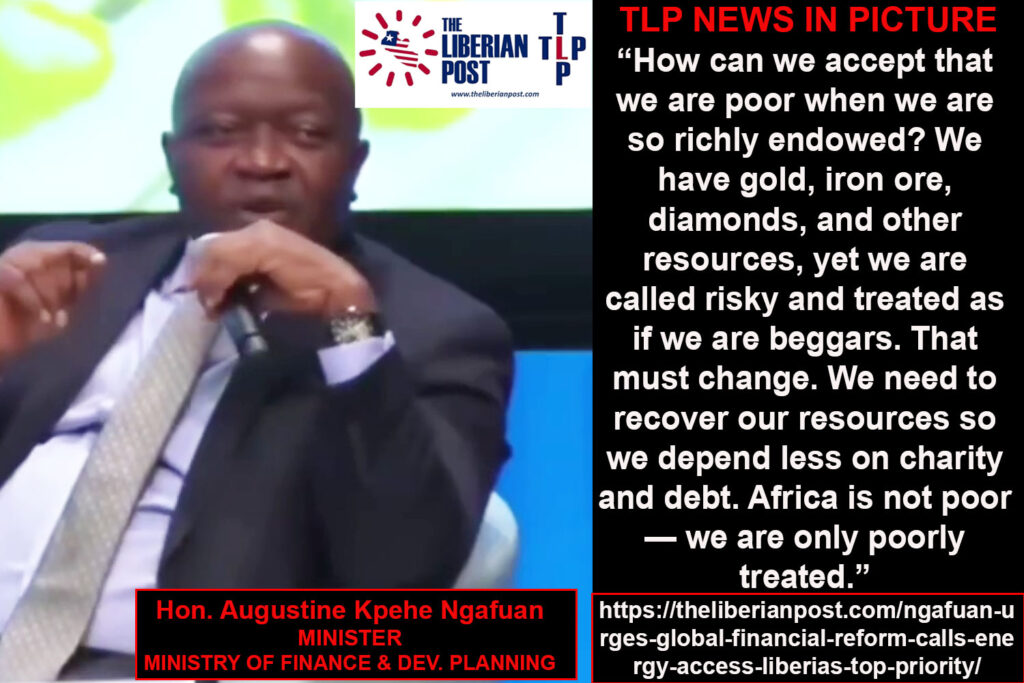
“How can we accept that we are poor when we are so richly endowed?” Ngafuan asked pointedly. “We have gold, iron ore, diamonds, and other resources, yet we are called risky and treated as if we are beggars. That must change.”
He emphasized that Africa’s development narrative must shift from dependence on aid and debt toward self-reliance through better governance of natural resources and a crackdown on illicit financial flows.
“I’m told that almost US$90 billion leaves Africa annually through illicit financial flows — draining nearly 4% of the continent’s GDP. This cannot just be a fleeting argument,” Ngafuan stressed. “We need to recover our resources so we depend less on charity and debt. Africa is not poor — we are only poorly treated.”
Aviation and Regional Connectivity: “A Development Issue”
Turning to regional development challenges, Minister Ngafuan cited Africa’s fragmented aviation system as a critical barrier to growth, recounting his own experiences traveling within West Africa.
“From Monrovia to Freetown is just 45 minutes by flight, yet sometimes we must go through Lomé to get there. Aviation is not just a transport issue — it’s a development issue,” he said, urging finance ministers and development banks to “find mechanisms to enable the aviation sector because enabling it means enabling development.”
He praised Asky Airlines for its continued service to Liberia, calling it a lifeline for connectivity in the subregion.
Energy as the Engine of Growth
On Liberia’s domestic front, Minister Ngafuan underscored that energy and infrastructure remain the most binding constraints to inclusive economic growth. He reaffirmed President Joseph Boakai’s administration’s commitment to massively expand electricity access and reform the sector to attract private investment.
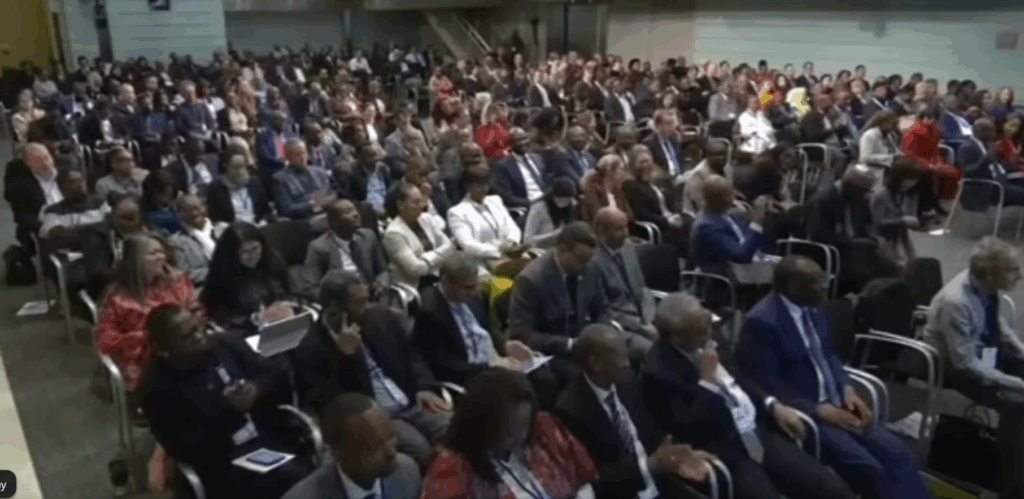
Liberia, he said, has already acceded to the “Mission 300” initiative and signed the Liberia Energy Compact, committing to boost energy access from 33% in 2024 to at least 75% within five years.
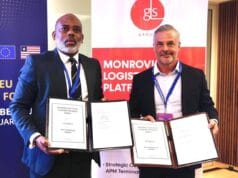
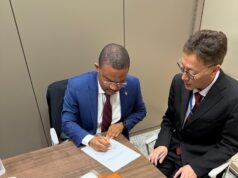
“We are bringing in the private sector through independent power producers (IPPs) and reforming the Liberia Electricity Corporation to reduce losses and improve efficiency,” Ngafuan explained. “Just this week, we signed a 23.7-megawatt solar power agreement financed by the International Finance Corporation (IFC).”
He argued that reliable power is fundamental to economic transformation and private-sector growth.
“If the private sector is the engine of growth, then power is the engine of the private sector,” Ngafuan declared. “When we deal with the power question, we enable jobs, innovation, and prosperity. That’s why powering Liberia means transforming Liberia.”
A Call for “Big Conversations”
Minister Ngafuan concluded by urging African policymakers and global financial institutions to embrace what he called “the hard conversations” — those that address the structural inequalities in global finance, trade, and development cooperation.
“This is a period of turbulence in the global architecture,” he said. “But before a rocket goes to space, there must be fire. What is happening now should be our fire — an opportunity for reform, for Africa to demand fairness, and for the world to finally listen.”
As the panel moderator noted in closing, Ngafuan’s message brought the discussion full circle: connecting access to energy, private-sector empowerment, and inclusive job creation as the three pillars for Africa’s next phase of growth.
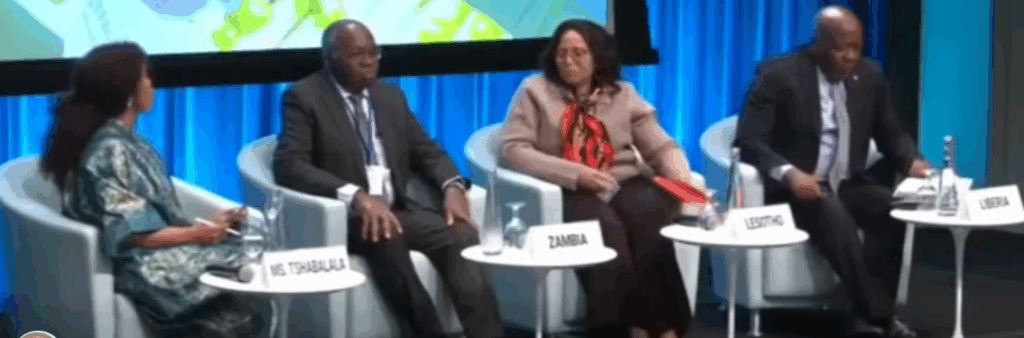
Minister Ngafuan was on the panel with Zambia Finance Minister, Dr. Situmbeko Musokotwane and the Minister of Finance and Development Planning for the Kingdom of Lesotho, Dr. Retselisitsoe Matlanyane at the just ended 2025 Annual Meetings of the World Bank and International Monetary Fund.