By Moses Zangar, Jr.
Drug addiction and abuse have emerged as urgent public health crises in Liberia, undermining the nation’s social fabric and economic stability. According to a 2022 report by the Liberia Drug Enforcement Agency (LDEA), an estimated 30% of Liberian youth are engaged in drug use -a statistic that highlights the severity of the problem and the need for immediate, sustained action. Addressing this challenge requires a clear understanding of the factors fueling addiction and abuse, alongside the development of actionable solutions that the Liberian government can implement to combat this growing epidemic.
Factors Fueling Drug Addiction and Abuse in Liberia
Drug addiction and abuse in Liberia are fueled by a combination of social, economic, and psychological factors. These drivers are interconnected, creating a cycle of vulnerability that perpetuates substance abuse across generations.
Economic Hardship and Unemployment
Liberia’s high unemployment rate, particularly among young people, is a significant driver of drug abuse. While the World Bank reported an overall unemployment rate of 3.4% in 2023, this figure obscures widespread underemployment and informal work, with nearly 85% of Liberians engaged in vulnerable employment, according to the International Labour Organization (ILO) estimates. Youth unemployment is even more alarming, estimated at up to 60%, leaving many young people without access to stable jobs or vocational training. With limited access to jobs, vocational training, or entrepreneurial opportunities, many young Liberians feel trapped in a cycle of poverty and hopelessness, as drugs often become a temporary escape from daily struggles. However, this reliance on drugs for relief frequently leads to long-term dependency, exacerbating the challenges of poverty and further eroding their ability to break free from the cycle of addiction.
Weak Border Controls and Drug Trafficking
Liberia’s geographic location along West Africa’s drug trafficking routes has made it a transit hub for illicit substances. Weak border controls, under-resourced law enforcement, and corruption have allowed traffickers to exploit the country, increasing the availability of drugs in local markets. This easy access to drugs has contributed to rising addiction rates, particularly in urban centers.
Psychological Trauma and Mental Health Challenge
The lingering effects of Liberia’s civil wars and the Ebola epidemic have left many citizens grappling with unresolved trauma. In the absence of adequate mental health services, individuals often turn to drugs as a form of self-medication. This is particularly true for young people who have grown up in environments marked by violence, instability, and loss.
Social and Cultural Factors
Peer pressure and the normalization of drug use in some communities have also played a role in the rise of addiction. In areas where drug use is widespread, young people are more likely to experiment with substances, often without understanding the long-term consequences. Additionally, the stigma surrounding addiction prevents many individuals from seeking help, further entrenching the problem.
The Human Cost of Addiction
Drug addiction is tearing families apart, with many parents losing their children to the streets and addiction. Communities are also affected, as drug use contributes to social instability and erodes trust among neighbors. Substance abuse has severe health implications, including the spread of infectious diseases like HIV/AIDS and hepatitis through needle sharing. Additionally, overdoses and long-term health complications are becoming more common, straining Liberia’s already fragile healthcare system.
Current Efforts and Gaps in Addressing the Drug Crisis
The Liberian government has taken some steps to address drug addiction, including the passage of the Controlled Drugs and Substances Act in 2014. However, enforcement remains weak, and the country lacks a comprehensive national drug policy. Non-Governmental Organizations (NGOs) and community groups have stepped in to fill some of the gaps, offering rehabilitation services and public awareness campaigns. For example, the Liberia Initiative for Drug Rehabilitation and Reintegration (LIDRR), the Center for Rehabilitation and Reintegration and the Mother of Light Rehabilitation Program (Oum el Nour Liberia) have been working to provide support for recovering addicts. Despite these efforts, there are significant gaps in the availability of treatment and rehabilitation services. Liberia has only a handful of rehabilitation centers, most of which are underfunded and lack trained personnel. Mental health services are also limited, with fewer than 10 psychiatrists serving the entire country as of 2023.
What the Liberian Government Should Do to Address the Crisis
To combat drug addiction and abuse effectively, the Liberian government must adopt a comprehensive, multi-pronged strategy that addresses both the supply and demand sides of the drug trade, as well as the underlying social and psychological factors driving addiction:
A Path Forward: Developing a Comprehensive National Drug Policy
Developing a national drug policy is a critical step toward addressing the multifaceted challenges posed by drug addiction and trafficking in Liberia. Such a policy must integrate efforts to reduce supply – through enhanced law enforcement, border security, and anti-trafficking initiatives – while simultaneously addressing demand through public awareness campaigns, prevention strategies, and accessible treatment programs for individuals battling addiction. This balanced approach tackles the root causes of drug abuse while minimizing its impact on society. To ensure success, Liberia should seek technical expertise and financial assistance from international partners, drawing on global best practices and resources to strengthen institutional capacity. Collaboration with organizations like the United Nations Office on Drugs and Crime (UNODC) and regional entities can help improve enforcement, expand rehabilitation services, and develop sustainable solutions to combat the drug crisis effectively.
Strengthening Law Enforcement and Border Controls
The government must prioritize strengthening border controls to prevent the influx of illicit drugs into the country. This includes investing in modern surveillance technology, increasing the capacity of customs and border patrol agencies, and addressing corruption within law enforcement. Additionally, the government should focus on dismantling drug trafficking networks by enhancing intelligence-sharing and collaboration with regional and international partners.
Expanding Economic Opportunities for Youth
Creating economic opportunities is critical to reducing the vulnerability of young people to drug abuse. The government should invest in vocational training programs, entrepreneurship initiatives, and job creation schemes, particularly in underserved areas. By providing young people with viable alternatives to drug use, the government can address one of the root causes of addiction.
Improving Access to Mental Health Services
Addressing the psychological factors driving addiction requires a significant investment in mental health services. The government should train healthcare providers in trauma-informed care and expand access to counseling and therapy, particularly in rural areas. Establishing community-based mental health centers can help individuals address the root causes of their addiction and begin the recovery process.
Launch Public Awareness Campaigns
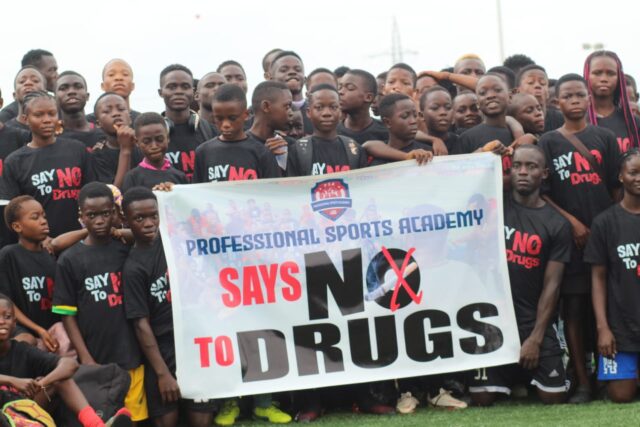
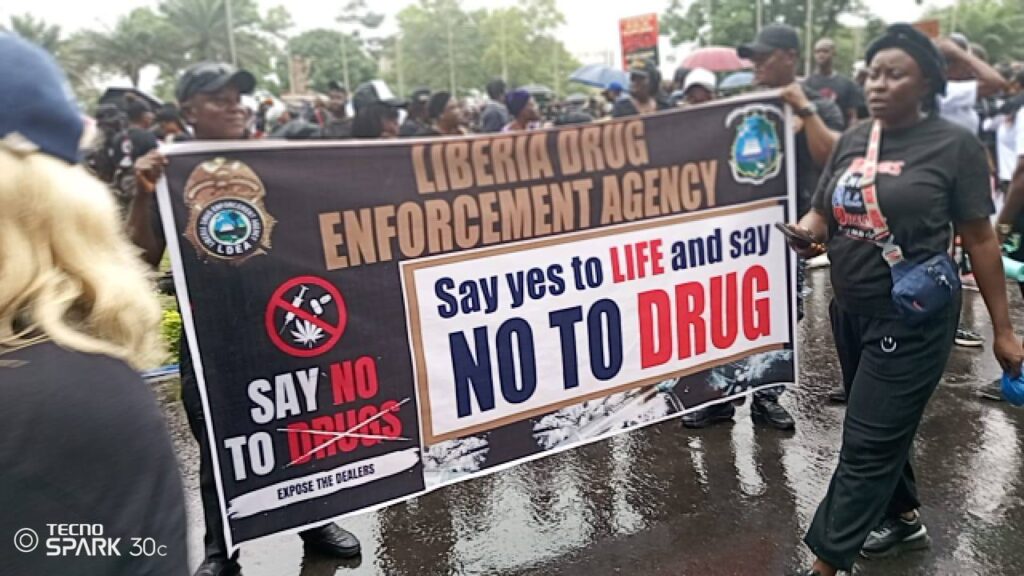
Public education is essential to changing attitudes toward drug use and addiction. The government should partner with schools, religious institutions, and community organizations to launch awareness campaigns that highlight the dangers of drug use and promote healthy lifestyles. These campaigns should also work to reduce the stigma surrounding addiction, encouraging individuals to seek help without fear of judgment.
Develop Comprehensive Rehabilitation and Reintegration Programs
While building rehabilitation centers is an important step, these facilities must be part of a broader strategy that includes reintegration programs. The government should ensure that rehabilitation centers are equipped with trained staff, evidence-based treatment protocols, and adequate resources. Additionally, reintegration programs should provide former addicts with job placement assistance, housing support, and peer mentorship to help them rebuild their lives and avoid relapses. Programs that provide alternatives to drug use, such as vocational training, sports, and arts initiatives, can help engage youth and reduce their vulnerability to addiction.
A Whole-Of-Society Approach
Addressing drug addiction and abuse in Liberia requires a comprehensive, whole-of-society approach that leverages the strengths and resources of diverse stakeholders. While the government plays a central role in policy formulation, coordination, and enforcement, the scale and complexity of the addiction crisis demand active engagement from civil society organizations, community-based groups, faith-based institutions, and international partners. Each of these actors brings unique capabilities and perspectives that can complement government efforts and ensure a more sustainable and inclusive response.
Civil society organizations and community-based groups are essential for grassroots interventions, offering tailored services such as counseling, rehabilitation, and public education campaigns while fostering local ownership of prevention and recovery efforts. Faith-based organizations, with their deep community connections, can provide spiritual counseling, reduce stigma, and host recovery programs that integrate moral support with evidence-based treatment. Together, these groups can complement government efforts by advocating for policy reforms, delivering direct services, and ensuring that programs are culturally sensitive and responsive to local needs.
International partners play a critical role by providing funding, technical expertise, and capacity-building support to strengthen Liberia’s addiction response. They can train healthcare professionals and law enforcement personnel, share best practices from other countries, and facilitate regional cooperation to address cross-border drug trafficking. To ensure the effectiveness of these efforts, the government should establish mechanisms for coordination, such as multi-stakeholder task forces, public-private partnerships, and regular consultations with community leaders. By fostering collaboration among all stakeholders, Liberia can build a sustainable framework for addiction prevention, treatment, and recovery, addressing the immediate crisis while strengthening social cohesion and resilience for the future.
A Call to Action
Drug addiction and abuse are not just individual problems; they are societal challenges that require collective action. The Liberian government must take the lead by enacting comprehensive policies and allocating the necessary resources to address this crisis. However, success will also depend on the active participation of civil society, religious institutions, and the private sector. Liberia stands at a critical juncture. By addressing the root causes of addiction and implementing evidence-based solutions, the country can turn the tide against this growing epidemic. The time to act is now. The health, safety, and future of Liberia depend on it.