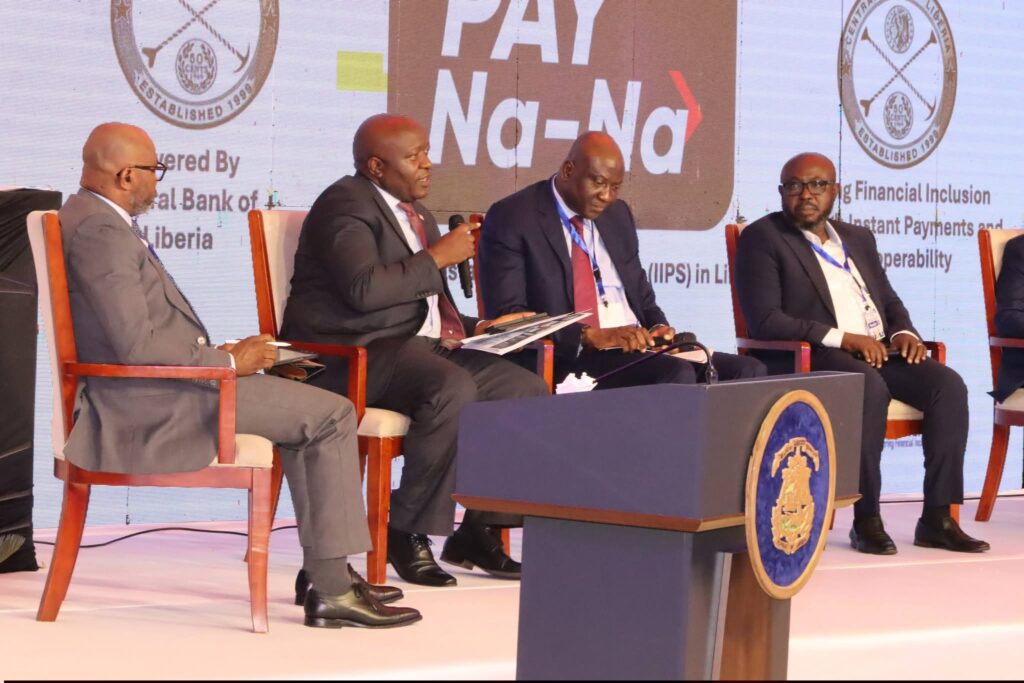
Liberia’s launch of the Inclusive Instant Payment System (IIPS), branded Pay Na-Na, may not have come with bulldozers, ribbon-cuttings, or concrete poured into the ground, but make no mistake: this is one of the most consequential reforms the country has undertaken in years. In a nation long constrained by a cash-heavy, fragmented, and exclusionary financial system, Pay Na-Na represents a quiet but decisive revolution—one that has the potential to reshape how Liberians earn, spend, save, and interact with the state.
At its core, Pay Na-Na solves a daily frustration that millions of Liberians have normalized for years: the inefficiency of moving money. The absurdity of carrying two phones or wallets to send funds across mobile networks has now been eliminated. With real-time interoperability between MTN MoMo and Orange Money—under the regulation of the Central Bank of Liberia—Liberia has joined a growing group of African countries that understand that digital public infrastructure is not a luxury, but a necessity for development.
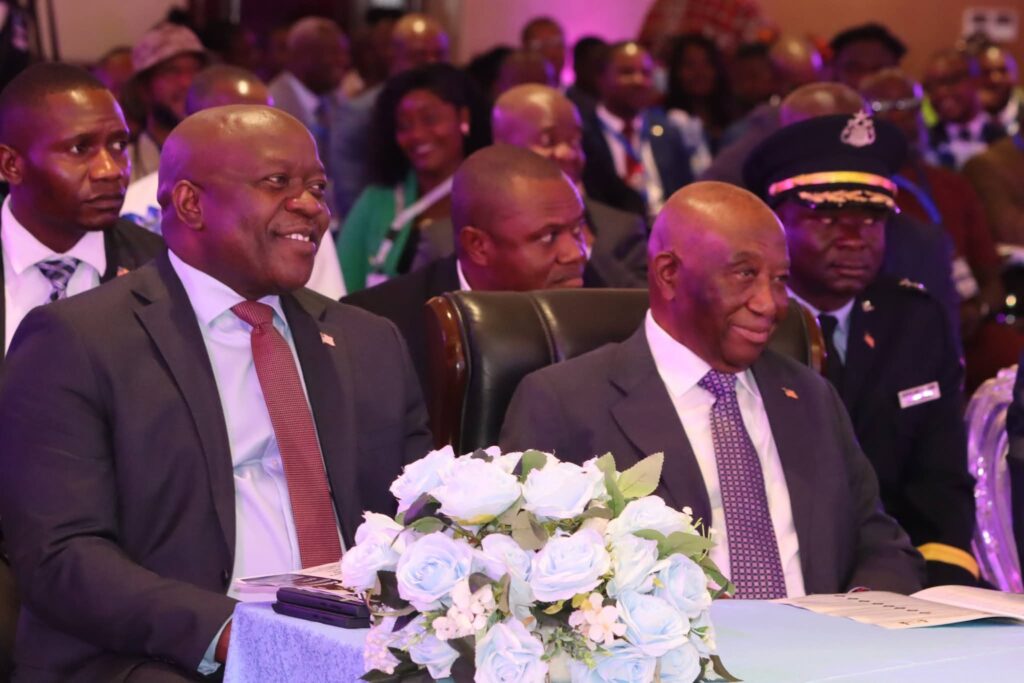
What makes this reform particularly notable is not just the technology itself, but the alignment of political will, institutional competence, and strategic partnerships behind it. President Joseph Nyuma Boakai’s framing of Pay Na-Na as a matter of dignity and inclusion was not rhetorical flourish; it was a clear statement of development philosophy. By emphasizing that financial inclusion is a right rather than a privilege, the President placed ordinary Liberians—market women, farmers, students, and small entrepreneurs—at the center of the reform.
Finance and Development Planning Minister Augustine Kpehe Ngafuan rightly connected Pay Na-Na to the hard realities of governance: revenue, compliance, and fiscal sustainability. In an economy where informality dominates and cash obscures transparency, digitized payments are not merely convenient—they are transformative. They expand the tax base without raising tax rates, reduce leakages without punitive enforcement, and make it easier for citizens to comply with the state while benefiting from it. In this sense, Pay Na-Na is as much a governance reform as it is a financial one.
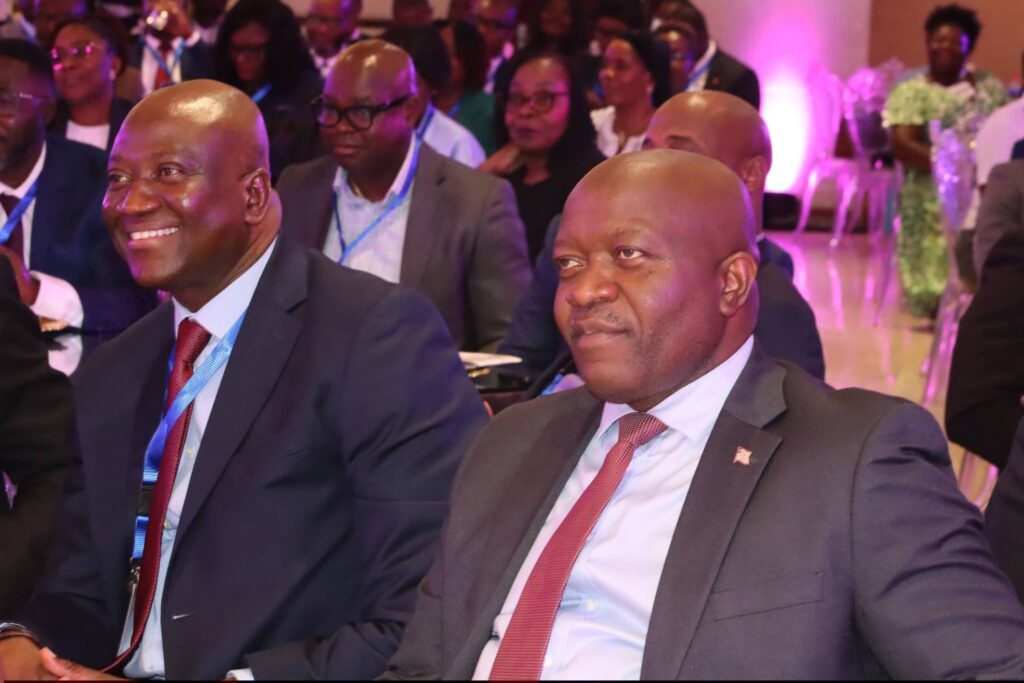
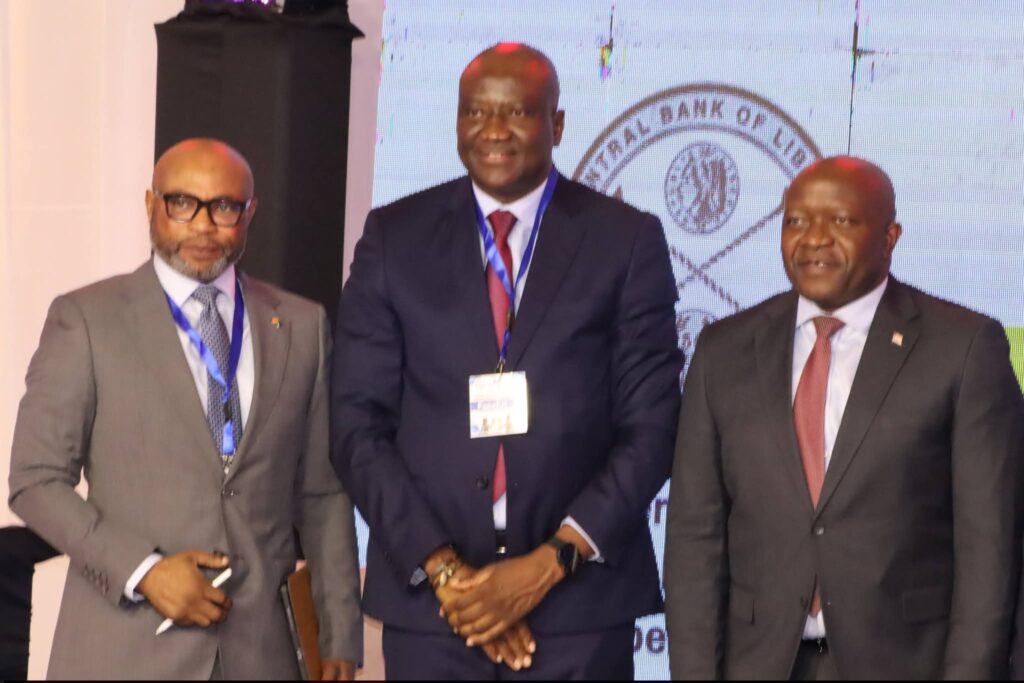
Central Bank Governor Henry F. Saamoi deserves particular credit for translating vision into execution. By positioning Pay Na-Na as a national digital public good—not a private monopoly—the Central Bank has protected the system from capture while opening it to innovation. Equally important is the disclosure that Liberia incurred no direct cost in deploying the system, thanks to partnerships with AfricaNenda, Mojaloop, ThitsaWorks, the Gates Foundation, and others. In a country where public trust is often strained by questions of value for money, this transparency matters.
Yet, while the launch of Pay Na-Na is commendable, the harder work begins now. Technology does not transform societies on its own. Adoption, trust, consumer protection, cybersecurity, and literacy will determine whether this platform becomes a daily utility or another underused reform. The Central Bank must remain vigilant in regulating fees, protecting users, and ensuring system reliability. Government ministries must move decisively to integrate Pay Na-Na into salaries, social benefits, and public payments. And the private sector—banks, fintechs, and merchants—must innovate responsibly around the platform.
There is also a broader lesson here for Liberia’s development trajectory. Pay Na-Na shows what is possible when reforms are problem-driven, locally branded, and institutionally owned, rather than donor-imposed or politically performative. It demonstrates that progress does not always arrive through grand speeches or megaprojects, but sometimes through systems that simply make life work better for ordinary people.
If fully implemented and protected from political or commercial distortion, Pay Na-Na could become the backbone of a more transparent economy, a more inclusive financial system, and a more responsive state. Liberia has taken an important step. The challenge now is to walk the path with discipline, integrity, and consistency.
In the end, the true measure of Pay Na-Na‘s success will not be found in launch ceremonies or policy documents, but in the everyday lives of Liberians—when sending money is simple, payments are instant, and opportunity no longer waits on cash.