-As Government Details US$21.64M Import Plan, Financing, County Deployment
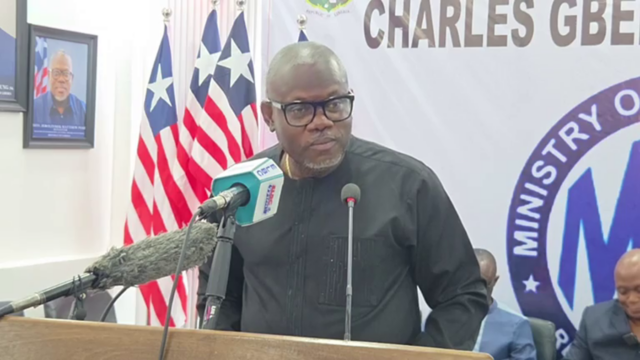
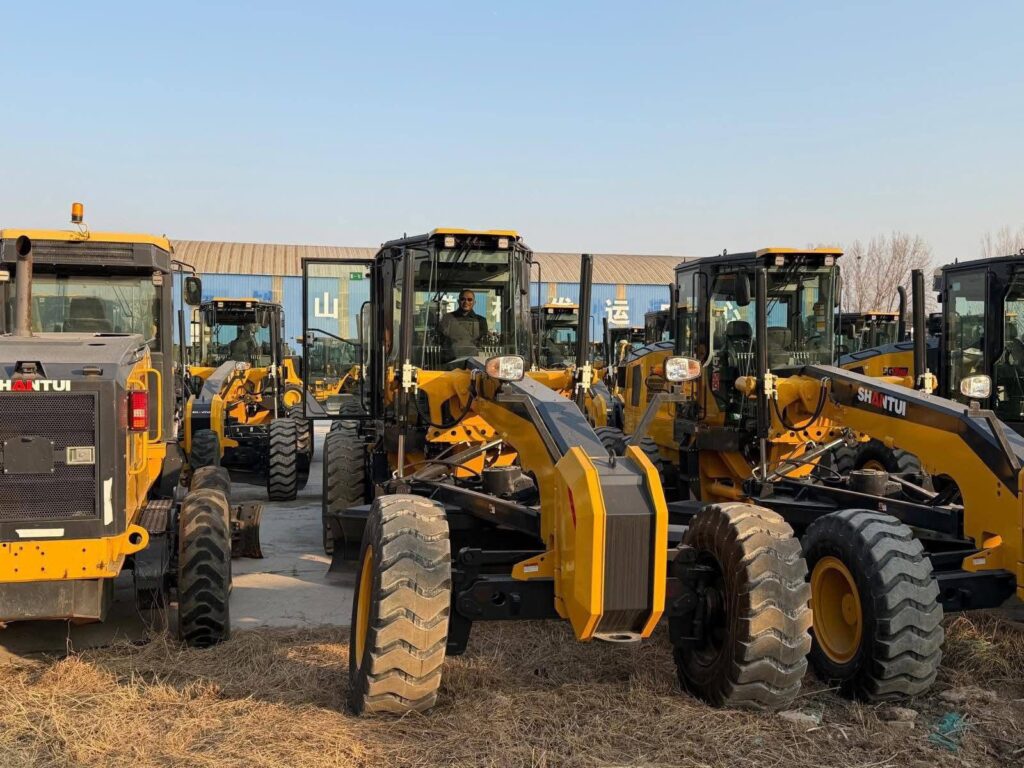
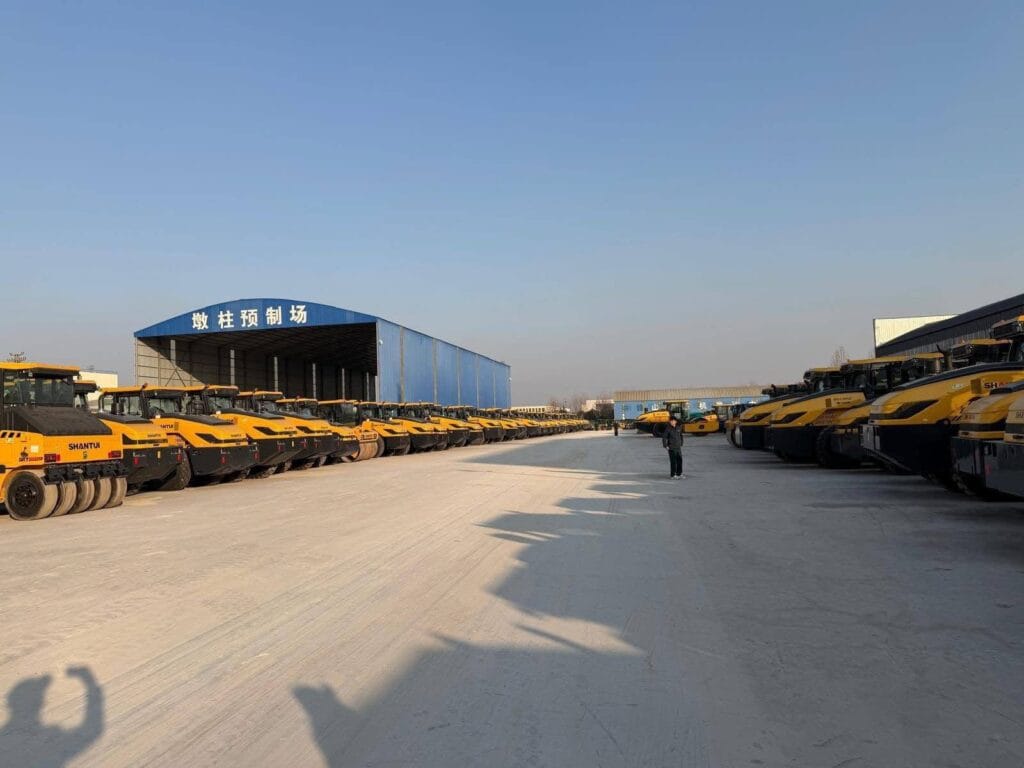
MONROVIA — Information Minister Jerolinmek Matthew Piah says the long-anticipated shipment of Liberia’s new fleet of earth-moving equipment—commonly referred to as “yellow machines”—is now in motion, with the government projecting an arrival date of March 30, 2026, and a deployment plan covering 19 locations across the country.
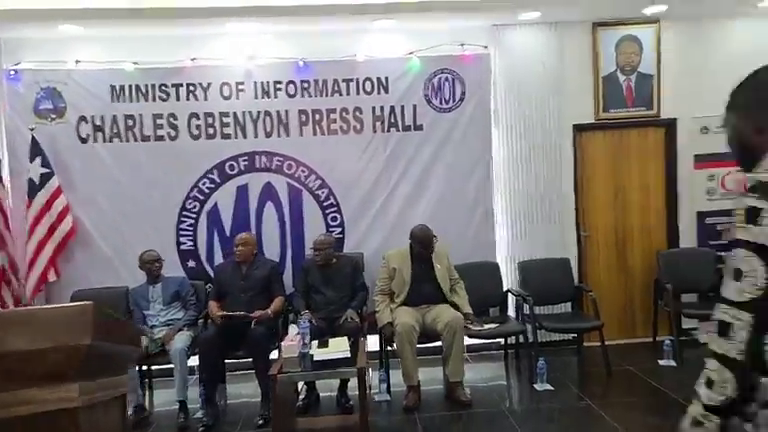
Piah disclosed the update during the Ministry of Information’s third regular press briefing for 2026, amid sustained public interest and repeated media questions over whether the equipment package would materialize.
“This was the point of inquiry at every press conference being held here,” Piah said, referencing questions from journalists about whether the machines were still coming.
Importation Timeline and Shipping Method
According to Piah, the equipment package—made up of nearly 300 machines across different categories—is expected to be loaded for shipment by January 20 at “different ports” and transported using more than one type of vessel.
He explained that one set of machines will be transported on a roll-on/roll-off (ro-ro) vessel, a shipping method that allows vehicles and heavy equipment to be driven on and off the ship. Other machines will be carried on vessels requiring the equipment to be placed in containers.
Piah said it would ordinarily take about 45 days for the machines to arrive after departure. However, he said the government has built in additional time “to give ourselves space,” and is therefore projecting a 70-day window, placing expected arrival around March 30, 2026.
Cost and Financing: Road Fund, UBA Arrangement
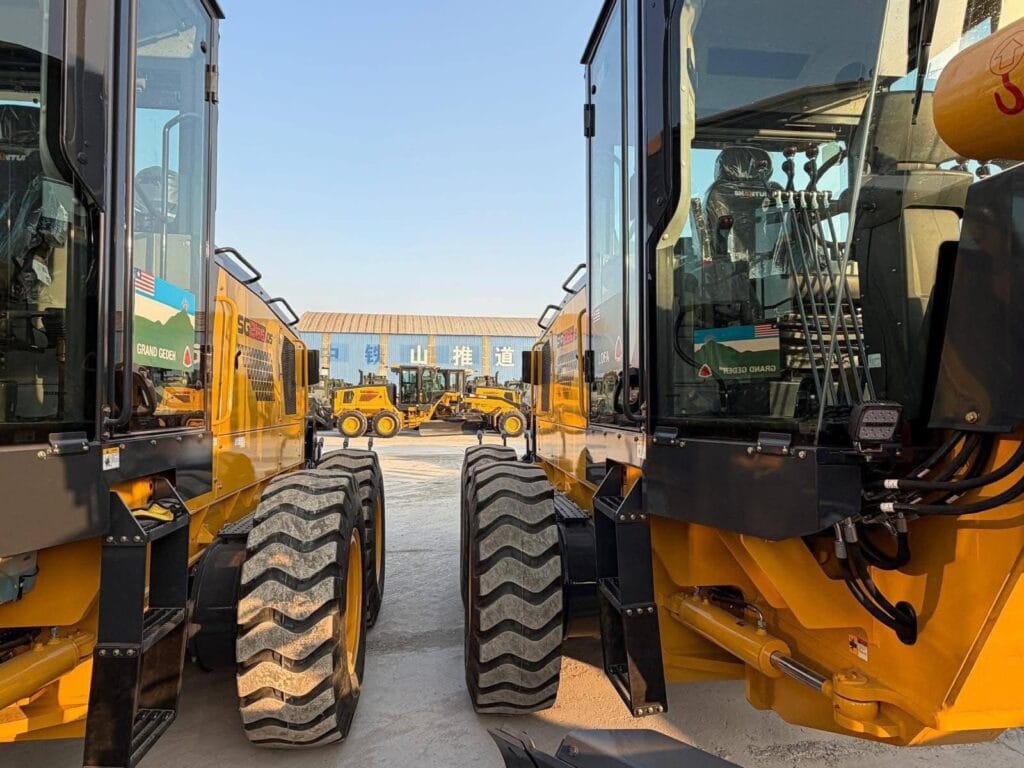
Piah put the total cost of the equipment package at US$21.64 million, describing it as a strategic investment aimed at transforming Liberia’s infrastructure delivery—especially road works.
He said 25 percent of the cost has already been paid by the government through the Road Fund. The remaining 75 percent, estimated at about US$16.8 million, will be paid over two years.
To cover that balance, Piah said government has arranged a loan facility with United Bank for Africa (UBA).
What Comes with the Machines: Vehicles, Spare Parts, Technical Support
Beyond the earth-moving equipment itself, Piah said the package includes additional items intended to reduce downtime and strengthen long-term maintenance capacity.
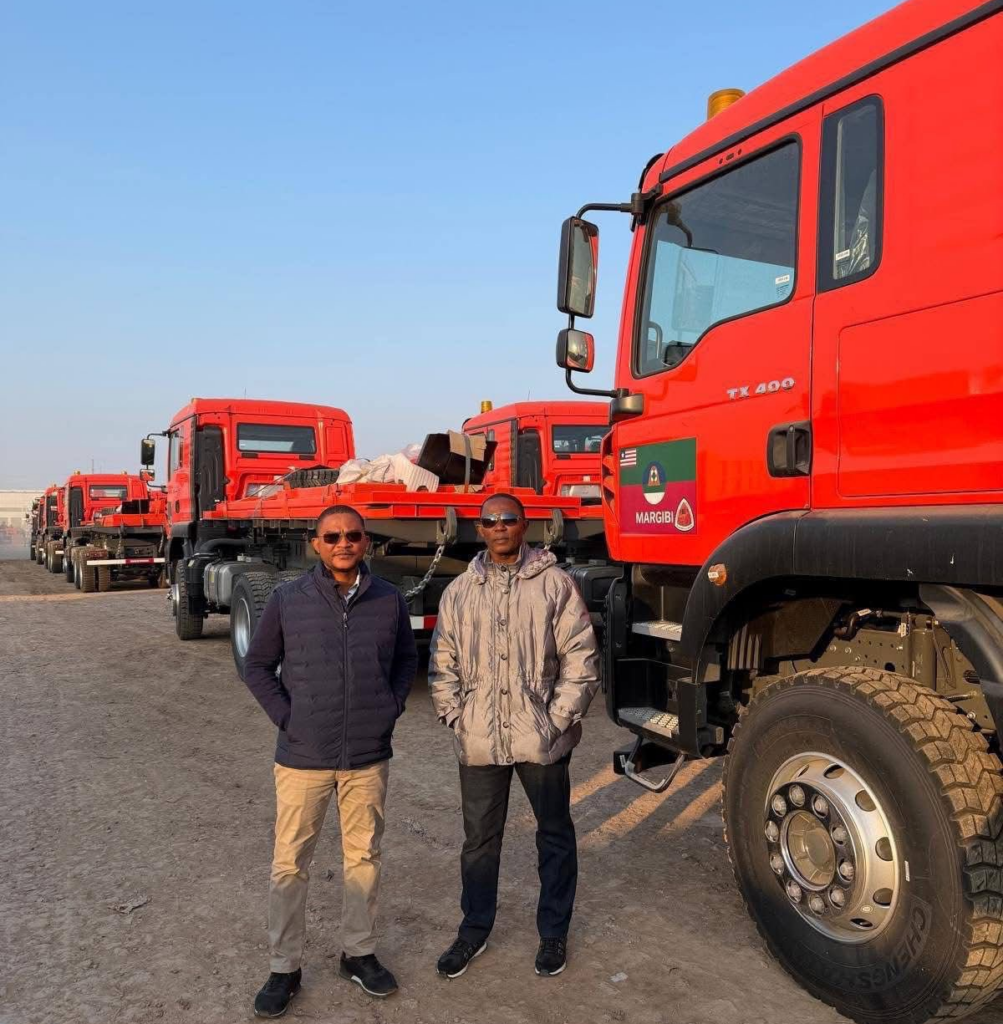
He told the briefing that the machines will come with 20 brand-new vehicles provided “free of charge” at no cost to the country. He also said the package includes containers of spare parts for the machines and other equipment.
In addition, Piah said the arrangement includes the deployment of technical personnel who will be stationed in Liberia for two years to service the machines and train Liberians who will assume responsibility after the technical support period ends.
Distribution Plan: 19 Sets, with 4 Counties Receiving 2 Each
Piah said the government plans to distribute the fleet in 19 different sets, corresponding to 19 locations across Liberia.
Under the plan he outlined, Bong, Lofa, Grand Bassa and Nimba Counties will each receive two sets, while other counties will receive one set.
He indicated that counties assigned two sets were selected because of the scale and intensity of planned road works, including projects that involve paving.
Related Infrastructure Updates
In the same briefing segment, Piah also pointed to broader infrastructure planning efforts, including Liberia’s planned first post-war infrastructure conference, intended to take a holistic look at how the country designs and executes infrastructure programs.
He said the conference will review past approaches and consider new strategies covering roads, airports, seaports, energy infrastructure and public buildings. The conference is expected to host “some 15 international guests” and run from January 9 to January 23 in Ganta, Nimba County, with Ghana’s Minister of Works named as keynote speaker.
Piah further disclosed that the Ministry of Public Works, as of January 13, 2026, received and accepted a feasibility study and drawings for the 90-kilometer Brewerville-to-Bopolu road corridor, carried out by HMENC of South Korea. He said the feasibility work was fully funded by the International Contractors Association of Korea, and the next step is mobilizing resources for construction at an estimated cost of US$134 million.