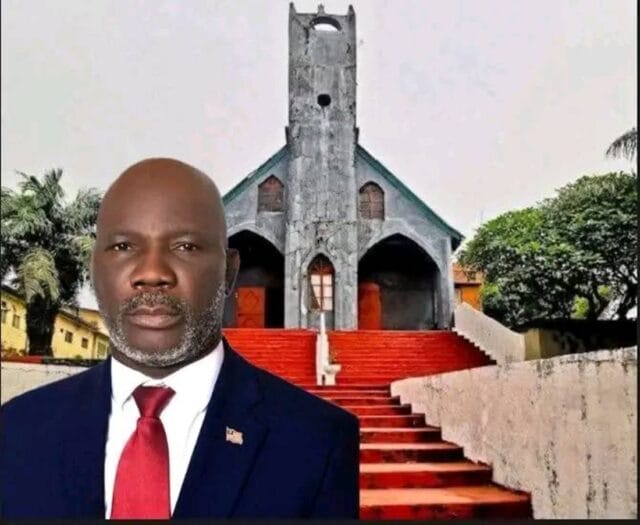
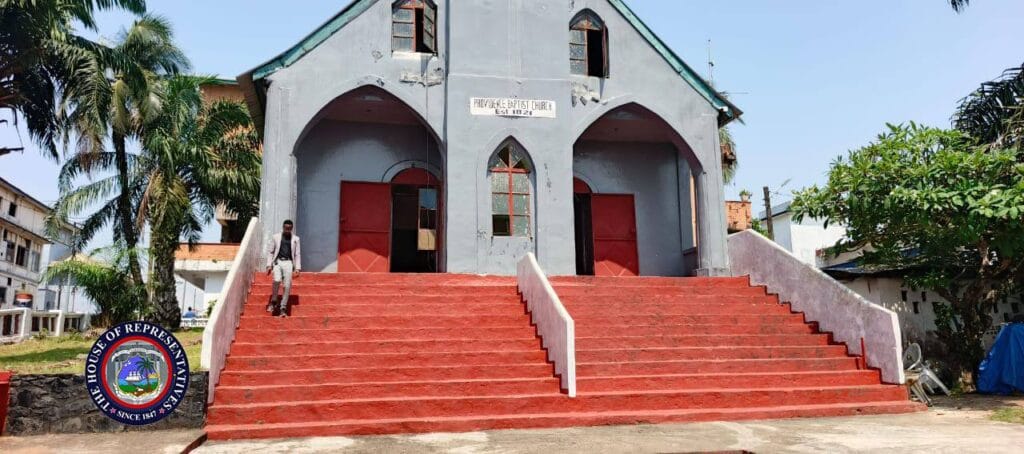
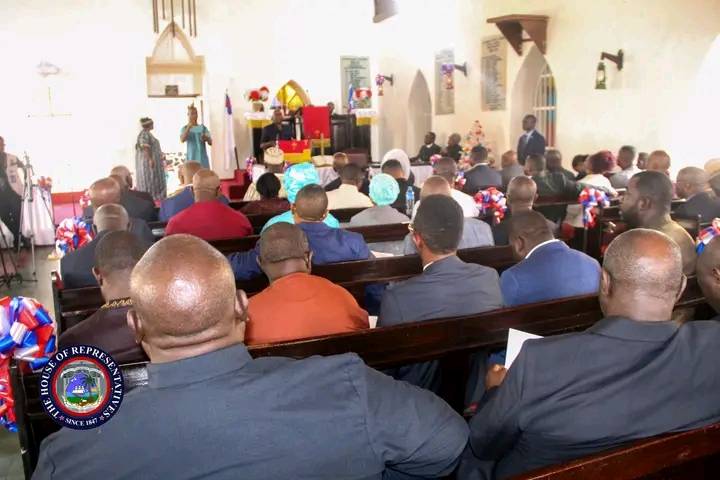
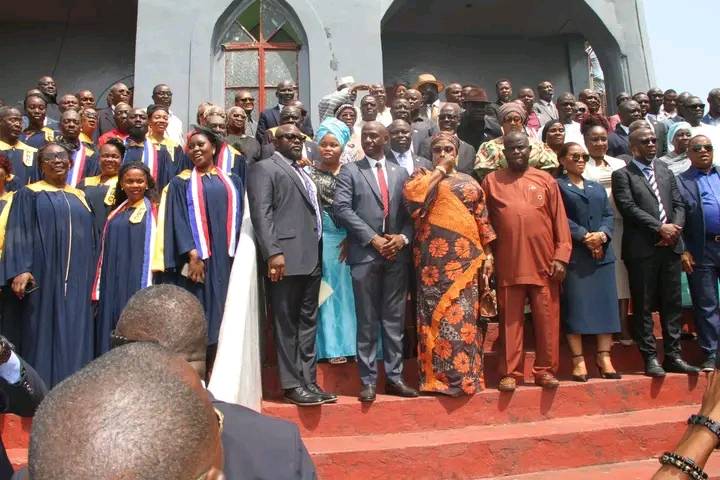
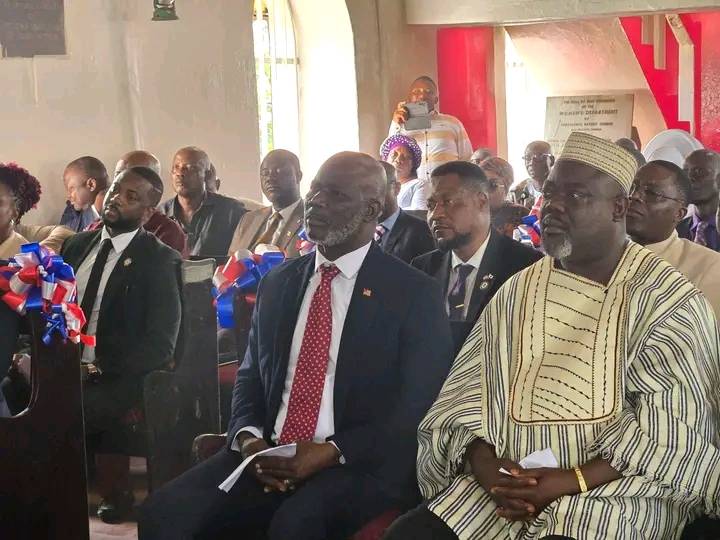
MONROVIA, Liberia — The Providence Baptist Church, Liberia’s most historic house of worship and a cornerstone of the nation’s founding, once again took center stage in national life as it hosted a significant religious and civic gathering, reinforcing its enduring relevance to Liberia’s spiritual, political, and historical identity.
The occasion, led by Rev. Samuel Reeves, brought together worshippers, civic leaders, and public officials in a moment of reflection that blended faith with national consciousness. Speaking to the press, Rev. Reeves used the platform to remind Liberians that Providence Baptist Church is not merely a religious institution, but a living monument to the country’s origins, moral compass, and democratic journey.
Birthplace of the Liberian State
Founded in 1822, Providence Baptist Church occupies a singular place in Liberia’s history. Long before the construction of the Capitol Building, the old Providence Baptist Church building served as the first meeting place of Liberia’s earliest lawmakers. It was within its walls that debates were held, laws were shaped, and the framework of governance for the nascent republic was discussed.
Most notably, the church was the site where Liberia’s Declaration of Independence was read on July 26, 1847, cementing its status as the birthplace of the Liberian nation. The original church structure, though altered by time and conflict, remains one of the most powerful symbols of Liberia’s founding ideals of faith, freedom, and self-determination.
A Call for Moral Leadership
In his address, Rev. Reeves emphasized that the church’s historical significance carries with it a responsibility for modern leadership. He urged Liberians—particularly those entrusted with public authority—to govern with humility, integrity, and service, values he said were deeply embedded in the nation’s founding vision.
“The foundations of Liberia were laid not only on political ideals, but on faith and moral responsibility,” Rev. Reeves noted, stressing that national renewal must be anchored in ethical leadership and respect for the rule of law.
Linking Past and Present
The renewed attention on Providence Baptist Church comes at a time when Liberia is grappling with economic challenges, governance reforms, and social cohesion. Observers say the symbolic return to the historic church reflects a broader desire to reconnect modern governance with the principles that guided the country’s founders.
The church has, over the decades, hosted presidents, lawmakers, diplomats, and international visitors, remaining a national shrine and a site of pilgrimage for Liberians and tourists alike. Despite years of civil conflict that damaged parts of the original structure, Providence Baptist Church has endured as a testament to resilience and continuity.
Preserving a National Treasure
Beyond its religious role, Providence Baptist Church is increasingly viewed as a critical heritage site deserving of preservation and sustained investment. Cultural historians argue that restoring and maintaining the old church building is essential not only for tourism but for educating future generations about Liberia’s early political and spiritual foundations.
As Liberia continues its journey toward national renewal, Providence Baptist Church stands as a powerful reminder that the nation’s past still speaks—calling for unity, reflection, and principled leadership.
In the words echoed throughout the sanctuary, Liberia’s future, like its birth, must be guided by conscience, faith, and a shared commitment to the common good.