MONROVIA – In a damning critique, Simeon Freeman, the political leader of the Movement for Progressive Change (MPC), has sharply condemned the fiscal policies of the Unity Party-led government under President Joseph N. Boakai.
He described these policies as ineffective and warned that they are exacerbating the economic challenges faced by ordinary Liberians.
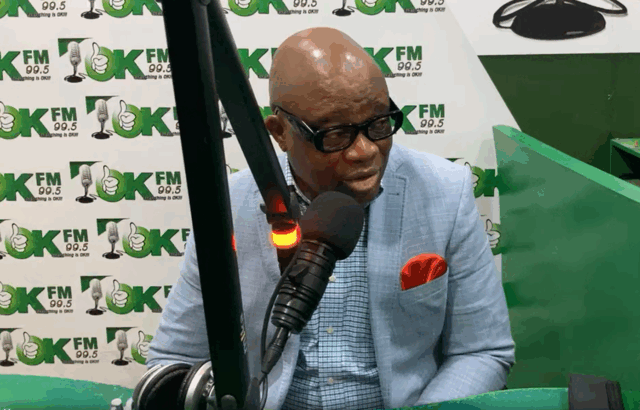
During a recent appearance on the Punch Breakfast Show, Freeman articulated his concerns about the government’s “misguided economic strategies” which, he claims, are deepening the hardships experienced by citizens.
He emphasized that the unsustainable tax burden imposed by the government is causing significant financial strain on families and small businesses alike.
“The Liberian government’s policies are not only failing to address the nation’s economic distress but are exacerbating the very issues that ordinary Liberians struggle with every day,” Freeman stated.
He criticized the approach to taxation, which he believes has placed excessive financial pressure on citizens, particularly regarding essential goods and services, leading to increased prices and diminished purchasing power.
Freeman warned that if the government does not take immediate action to alleviate the tax burden, the social ramifications could escalate into widespread protests. “High taxes are stifling growth and worsening poverty. If the government doesn’t act, we could see unrest that no one can contain,” he cautioned.
Freeman’s concerns are underscored by rising inflation and the resulting cost of living, which he claims has made it impossible for many Liberians to afford basic necessities.
He highlighted the impact on small businesses, which are struggling to survive in an environment where consumers have limited financial capacity.
Adding to his critique, Freeman condemned the government’s mismanagement of public debt, particularly debt owed to commercial banks, arguing that it has created an economic stalemate that stifles job creation and growth.
“The government’s failure to pay its debts is not just a financial problem; it’s an economic crisis,” he said, stressing that when the government defaults on its obligations, it restricts vital capital flow necessary for stimulating the economy.
Freeman also criticized the size and inefficiency of the current administration, describing it as overly bureaucratic and ineffective. He called for urgent governmental reforms to reduce waste and improve accountability.
“The current government is far too large and ineffective,” he noted, adding that inefficiencies within the bureaucratic structure are leading to budget deficits and delays in public services.
Furthermore, he expressed disappointment with the lack of substantive responses from the Boakai administration to the ongoing crisis.
Freeman argued that instead of generating real solutions to the pressing economic challenges, the government seems focused on political maneuvering, ignoring the fundamental needs of the population.
“The people of Liberia deserve a government that is committed to improving their lives not one that continues to tax and spend without regard for the long-term consequences,” Freeman concluded.
He called for open dialogue and comprehensive economic reforms, including tax reductions and responsible debt management, to address the escalating crises facing Liberia.