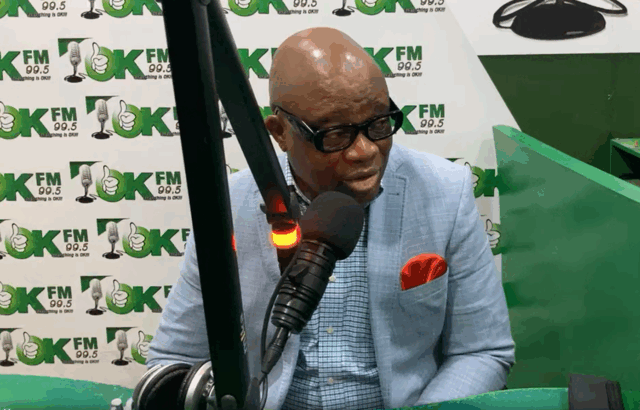
MONROVIA – Simeon Freeman, political leader of the Movement for Progressive Change (MPC), has delivered a sharp critique of the Unity Party–led administration, awarding it a failing score of 20 out of 100 for its performance over the past twenty months. Freeman’s assessment comes amid growing public scrutiny of the government’s effectiveness, policy coherence, and overall strategic direction.
Speaking at a press conference on Tuesday, Freeman expressed deep frustration with what he described as a lack of clear long-term planning and decisive governance. He accused the administration of being overly reactive rather than proactive in addressing national challenges. “This administration has been reactive instead of proactive, and that is a dangerous way to govern,” Freeman said, pointing to what he sees as a disconnect between official pronouncements and the economic hardships confronting ordinary Liberians.
Freeman identified persistent unemployment, weak economic growth, and declining standards in education and healthcare as critical issues demanding urgent attention. He attributed these challenges to internal political divisions and the failure to deliver on key campaign promises, noting that many Liberians expected bold and transformative leadership when the Unity Party returned to power.
While acknowledging that some government initiatives have been introduced, Freeman argued that they lack coordination, scale, and sustainability. He likened the administration’s approach to “putting out fires” rather than pursuing comprehensive reforms capable of delivering long-term development. His remarks add to mounting pressure on the government as it approaches the midpoint of its term, with opposition voices increasingly questioning its capacity to deliver meaningful change.
Addressing economic policy and cost-of-living concerns, Freeman cautioned against simplistic comparisons with larger economies such as Nigeria. “Every channel on DStv is paid for; DStv does not own CNN, Al Jazeera, or premium sports content,” he said. “Comparing Liberia’s prices to Nigeria without considering population size ignores basic economics—volume affects outcome.” He stressed that meaningful poverty reduction would require systemic reforms rather than assigning blame to individual businesses.
As Liberia’s political landscape continues to evolve, Freeman’s comments reflect a growing sense of dissatisfaction among opposition figures and sections of the public. His critique is likely to further shape national debate as the country grapples with economic pressures and expectations for improved governance.