— Denies Chief Justice’s Involvement in Business Dispute, Warns Against False Reporting
By Jacqueline L. Dennis
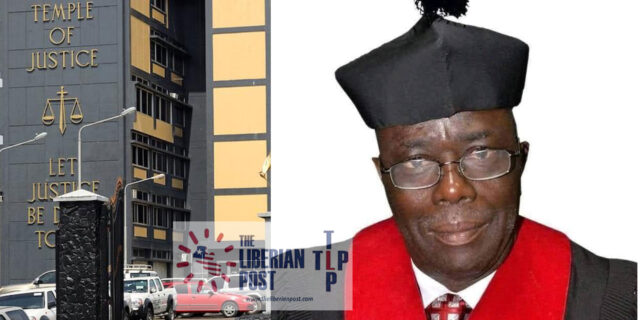
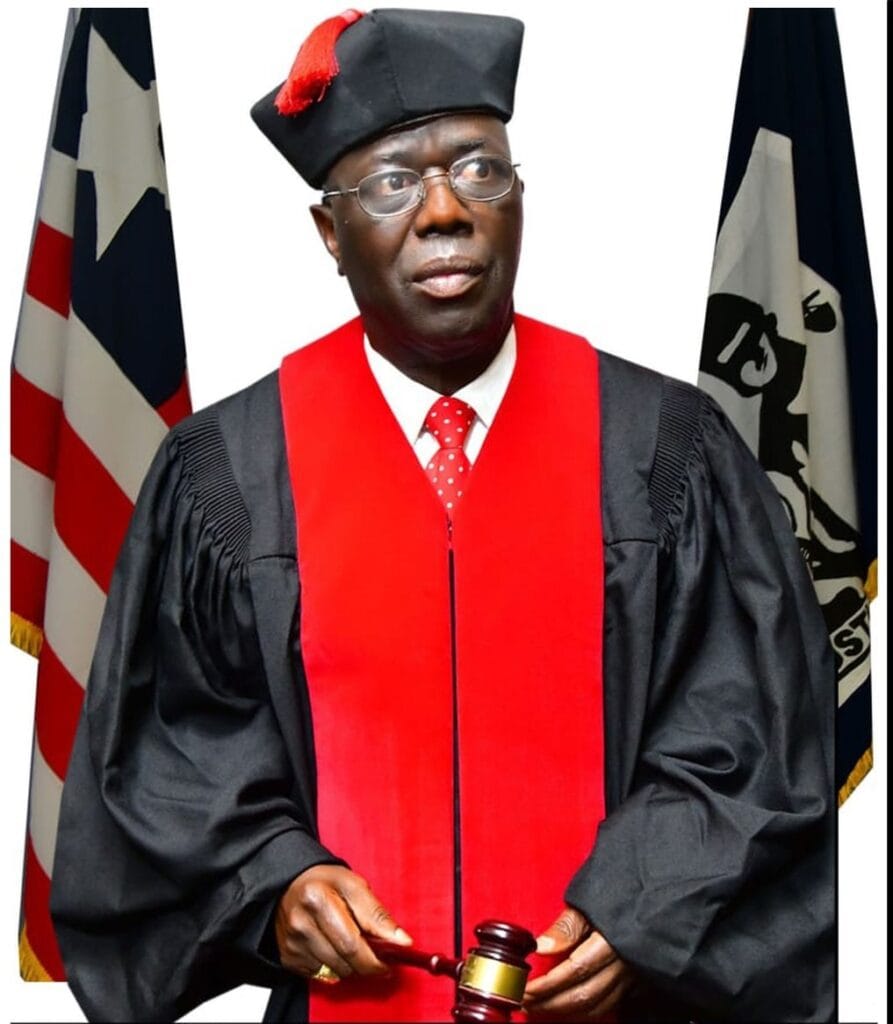
MONROVIA – The Supreme Court of Liberia has strongly dismissed as “false and misleading” recent media reports linking Chief Justice Yamie Quiqui Gbeisay, Sr. to a controversial debt enforcement case, warning that such stories undermine public trust in the judiciary.
In a detailed statement released over the weekend, signed by Cllr. Darryl Ambrose Nmah, Sr., Director of Public Information and Strategic Planning, the Court accused certain media outlets of spreading unverified information without seeking clarification from judicial authorities.
The reports had alleged that Chief Justice Gbeisay personally intervened in a civil case to target private business interests — a claim the Court flatly rejected as “baseless and malicious.”
According to the Supreme Court, the matter stems from a 2020 civil action filed by Madam Ding Shn Jun, also known as “Nancy Chinese Lady,” against businessman Mr. Najid Kamand for an unpaid debt. After several years of litigation, the Debt Court of Montserrado County ruled in April 2024 that Mr. Kamand must pay over US$1.2 million to the plaintiff.

Mr. Kamand later appealed to the Supreme Court, but the appeal was dismissed in December 2024 after he failed to meet procedural requirements. The Supreme Court then ordered the Debt Court to resume jurisdiction and enforce its earlier judgment.
However, enforcement stalled. On September 2, 2025, Debt Court Judge James E. Jones wrote to the Chief Justice, citing his inability to fully execute the ruling and noting that less than 25 percent of the awarded amount had been recovered. He requested that the case be reassigned to another judge to complete the process.
In response, Chief Justice Gbeisay reassigned the matter to Judge Joseph B. Kollie of the National Labor Court, authorizing him to oversee enforcement. The Supreme Court explained that the reassignment was an administrative and legal decision, made in line with the Chief Justice’s constitutional authority.
“The reassignment was done in keeping with the judicial authority of the Chief Justice to ensure proper execution of court mandates,” the Court’s statement read. “Allegations of bias or favoritism are unfounded and intended to erode public confidence in the Judiciary.”
The Court also addressed growing controversy surrounding the Palm Springs Hotel, now operating as the Colony Hotel, which was attached as security in the original judgment. It said Mr. Kamand, who had leased and developed the property, later attempted to cancel the lease agreement with the landowners in what the Court described as an effort to evade the judgment.
Calling such behavior “deceptive and harmful to investor confidence,” the Supreme Court warned that it will not tolerate any attempt to frustrate lawful court orders or manipulate judicial outcomes.
“This kind of behavior poses a threat to Liberia’s business climate and judicial integrity,” the Court cautioned.
The Supreme Court reaffirmed its commitment to transparency and reform, highlighting Chief Justice Gbeisay’s leadership in strengthening public confidence, accountability, and the rule of law across the judiciary.
The statement concluded with a reminder to journalists and media institutions to verify information before publication. “Inaccurate or one-sided reporting can have serious national consequences,” the release noted. “The Judiciary remains open to engagement with the media to ensure the dissemination of factual and balanced information.”