-Justice Wolokollie Reviews Challenge to Evidence in Trial of Former House Speaker and Lawmakers
By Jackquelyne L. Dennis
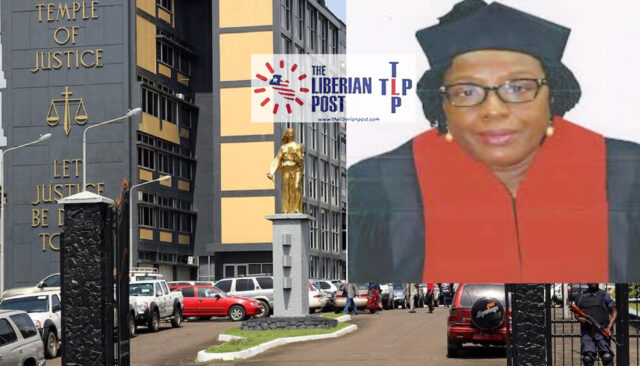
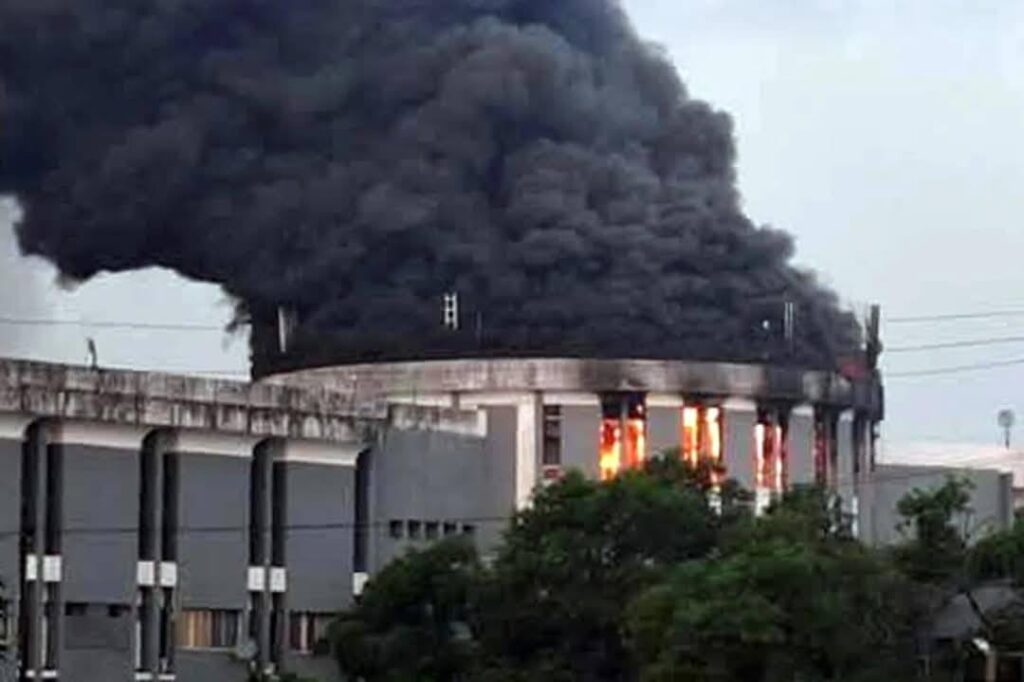
MONROVIA – The Supreme Court of Liberia has postponed its ruling in the high-profile Capitol Building arson case, following a legal challenge over the admissibility of key evidence.
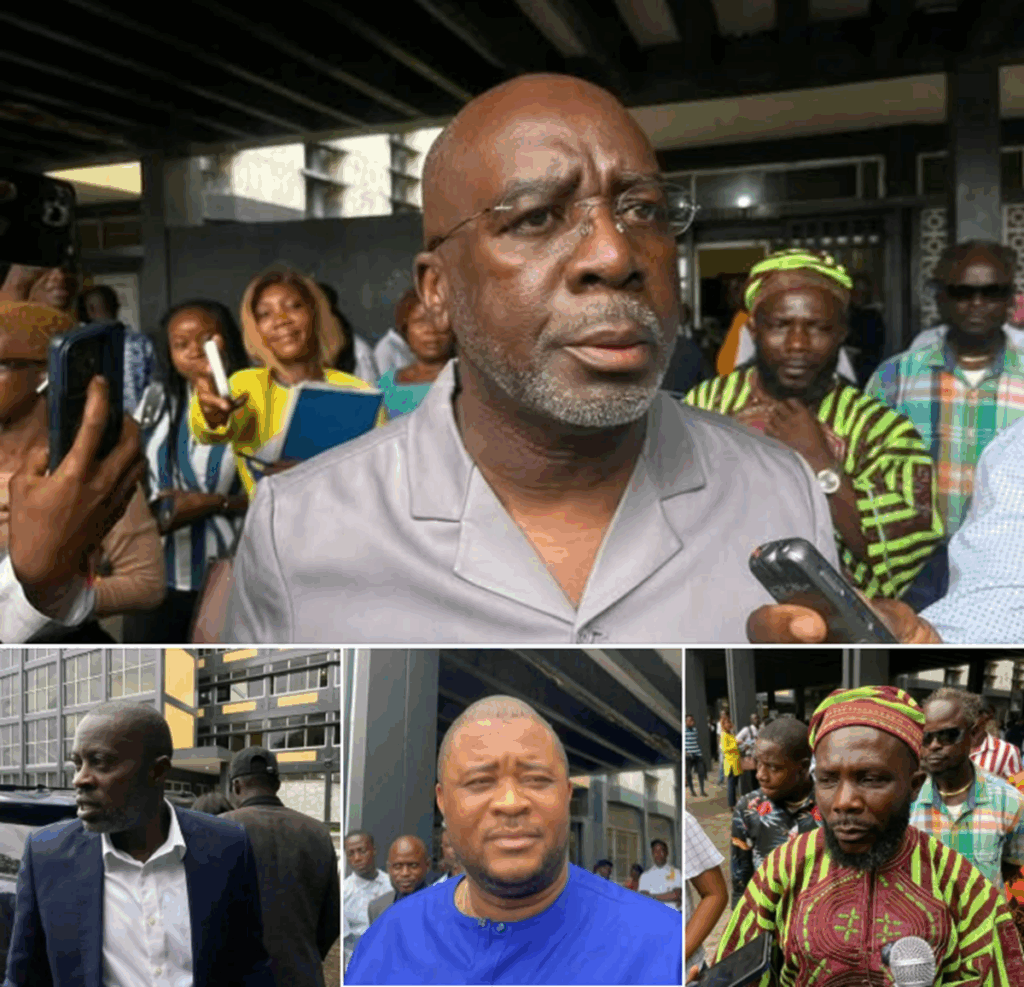
Associate Justice Jamesetta Howard Wolokollie, sitting in Chambers, made the decision Thursday after hearing oral arguments from defense attorneys representing former House Speaker Cllr. Jonathan Fonati Koffa, three sitting lawmakers, and several co-defendants.
The defense’s petition for a writ of certiorari centers on whether a confession and forensic materials collected from the crime scene should be admitted at trial. Lawyers for the defendants argued that the evidence was obtained in violation of their clients’ constitutional rights.
Defense Questions Search Legality
A central point of contention is a December 18, 2024 letter from a magistrate authorizing an arson investigation. Defense attorneys contend that the letter did not meet the legal standard of a search warrant, noting that investigators extracted data from suspects’ phones before obtaining a formal warrant on January 9, 2025.
“If the December 18 letter had legal standing as a warrant, why seek another one three weeks later?” one lawyer asked, calling the initial action an “unlawful search.” The defense further criticized Judge Roosevelt Z. Willie for accepting the December 18 letter as valid, calling it “contrary to settled law.”
Allegations of Coercion and Unlawful Detention
Defense attorneys also challenged the validity of a key confession, claiming it was obtained under coercion and without legal counsel. Questions were raised over the involvement of the National Security Agency (NSA), which interrogated suspects at its headquarters for eight days, allegedly exceeding its legal authority and denying access to defense lawyers.
“This was not technical assistance — it was unlawful detention and questioning,” the defense said. They further cited medical reports and photographs from independent doctors, noting that four of six reports suggested findings “highly consistent with torture.”
State Defends Due Process
Prosecutors countered that the investigation complied with legal procedures, arguing that all evidence, including forensic data and statements, was obtained in accordance with due process. They warned that excluding such evidence could significantly undermine the prosecution’s case.
Ruling Reserved
After hearing arguments from both sides, Justice Wolokollie declined to issue an immediate ruling, stating that the matter required further examination given its implications for constitutional rights, fair trial standards, and due process. No timeline has been provided for the final decision. The Capitol arson case has drawn national attention due to the political prominence of the accused and the severity of the allegations, which include destruction of government property and abuse of authority. Observers say the outcome of this certiorari petition could determine whether the trial proceeds as scheduled or faces delays if critical evidence is excluded.