-Public Outcry Grows Over Alleged Selective Justice in Liberia’s Sexual Assault Cases
MONROVIA – Liberia’s ongoing battle against sexual and gender-based violence (SGBV) has been thrust into the spotlight following two high-profile rape allegations involving a government official and a procurement contractor. Public scrutiny has intensified over perceived discrepancies in law enforcement responses to the cases.
Suspended Deputy Minister McGill Under Investigation
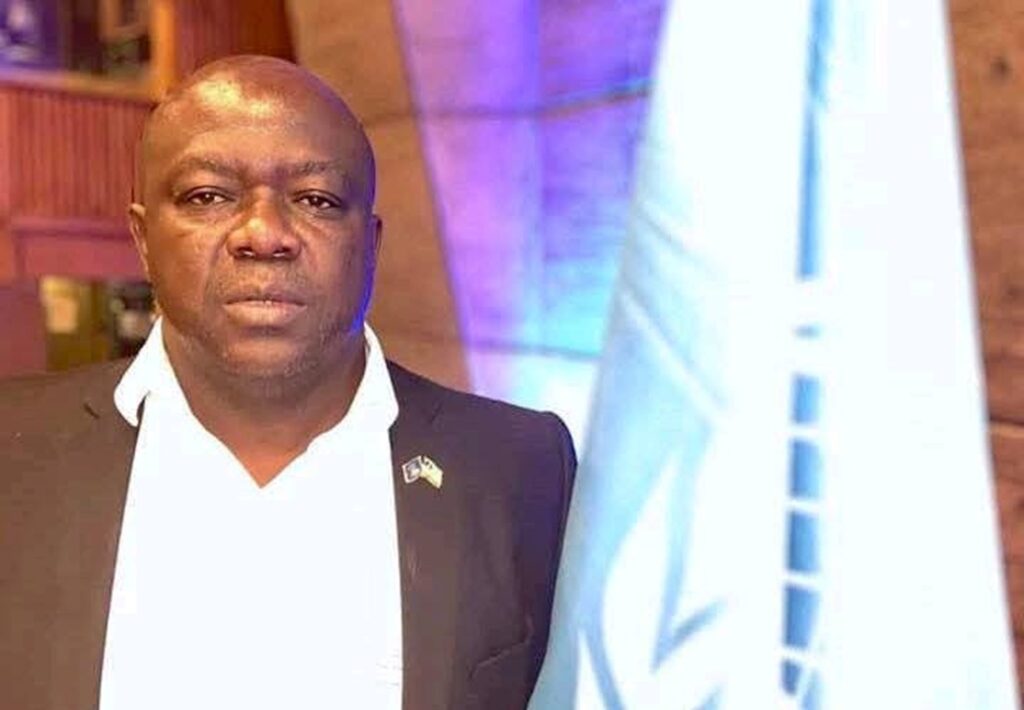
On September 11, 2025, the Ministry of Youth and Sports confirmed that Deputy Minister J. Bryant McGill had been suspended and was under formal investigation by the Liberia National Police (LNP) following allegations of sexually assaulting a 14-year-old girl. The complaint was lodged by the girl’s father, Mr. Christopher Davis, who also serves as Deputy Chief of Security at the Ministry.
The LNP has described the probe as “delicate” and ongoing under the Women and Children Social Protection Division. Authorities say Deputy Minister McGill voluntarily availed himself for questioning, but has not been placed under police custody.
The delay in detaining McGill has drawn criticism from rights groups, civil society organizations, and the public. Critics argue that statutory rape in Liberia is explicitly nonbailable when the victim is under 18, and they have called for immediate enforcement of the law.
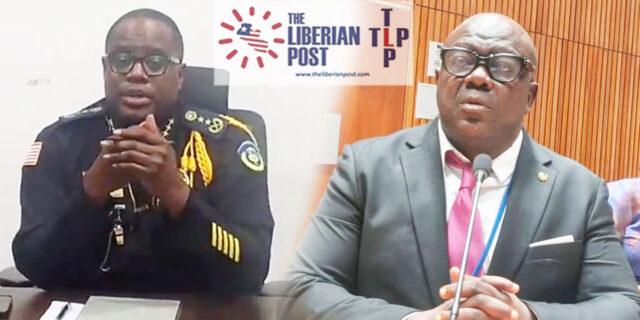
Inspector General Gregory Coleman told reporters that investigators are reviewing evidence including DNA samples, surveillance footage, and digital call logs, stressing that arrests will not be made without legally sound evidence.
The Ministry of Justice and the Association of Female Lawyers of Liberia (AFELL) have urged swift and impartial action. AFELL President Philomena Williams called the delay “a double standard” and emphasized that McGill must be held accountable to protect public trust.
Procurement Contractor Kromah Arrested and Incarcerated
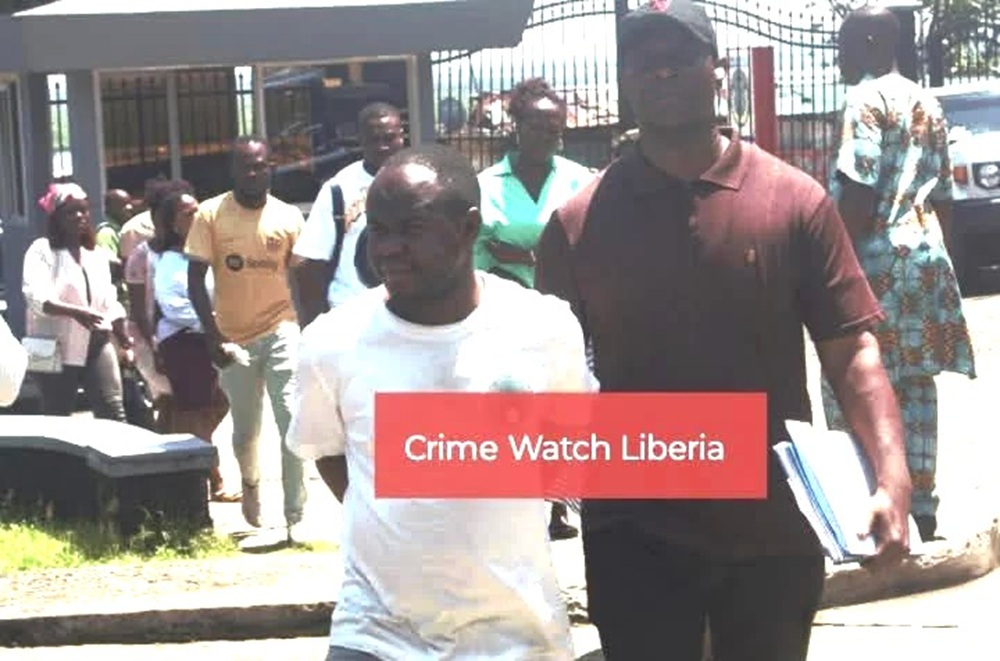
In contrast, a procurement contractor with the Ministry of Agriculture, Sando S. Kromah, was arrested, charged with statutory rape, and remanded to Monrovia Central Prison following the alleged sexual assault of a 14-year-old girl in Vai Town.
Authorities confirmed that Kromah’s case proceeded swiftly through the Women and Children Protection Section of the LNP. He was formally charged and handed over to the Monrovia City Court, where a judge ordered his incarceration pending trial.
The stark contrast in how these two cases are being handled has raised concerns about selective justice, particularly for high-profile individuals versus ordinary citizens.
Legal Framework and Public Concerns
Under Liberian law, rape is classified as a first-degree or second-degree felony. First-degree rape, which includes sexual acts against minors under 18, carries a maximum penalty of life imprisonment. Second-degree rape carries a maximum penalty of 10 years.
Gang rape, coercion, and statutory rape are all criminalized, and consent must be freely and voluntarily given. Despite the clear legal framework, enforcement challenges and societal attitudes continue to undermine justice, particularly when politically connected individuals are implicated.
Civil society advocates have warned that perceived impunity not only undermines public confidence in law enforcement but also discourages victims from reporting crimes. Calls are growing for reforms to ensure that all accused persons, regardless of status, are treated equally under the law.
Public Reaction and Next Steps
Public outcry over the McGill case has intensified, with calls for an expedited investigation and possible arrest. Meanwhile, Kromah’s incarceration underscores a contrast that many pundits say reflects preferential treatment for high-profile figures. As Liberia continues to grapple with high rates of sexual violence, authorities face mounting pressure to ensure that justice is applied equally, fairly, and transparently.