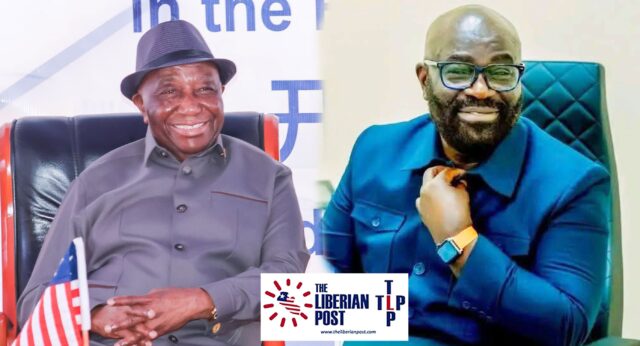
MONROVIA – In the wake of the passing of former Minister of State for Presidential Affairs, Mr. Sylvester M. Grigsby, President Joseph Nyuma Boakai, Sr. nominated long-time aide and trusted confidant Samuel A. Stevquoah to fill the influential post. The announcement, made on Sunday, September 7, has been met with both approval and reflection—signaling continuity at the heart of executive power.
The nomination is now pending confirmation by the Liberian Senate, which is currently on recess. In the meantime, Stevquoah has been authorized to act in the capacity of Minister of State, ensuring that the machinery of the Presidency remains functional and responsive.
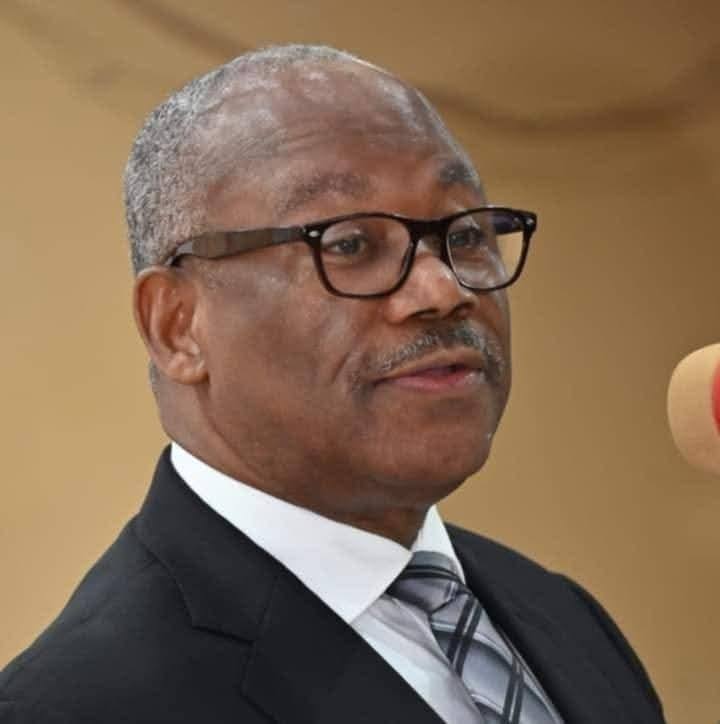
A Role of Trust, Influence, and National Importance
In Liberia—as in other presidential systems—the Minister of State for Presidential Affairs is a linchpin in the executive branch. Often compared to the White House Chief of Staff in the United States, the role serves as both gatekeeper and enforcer, managing the flow of information, coordinating presidential engagements, and ensuring that the Office of the President operates smoothly and efficiently.
While the Liberian Constitution does not define the position in legalistic terms, tradition and practice have elevated it to a status of significant power and proximity. In many respects, the Minister of State is the President’s first line of defense and final filter, responsible for ensuring the President’s priorities are understood and executed across all arms of government.
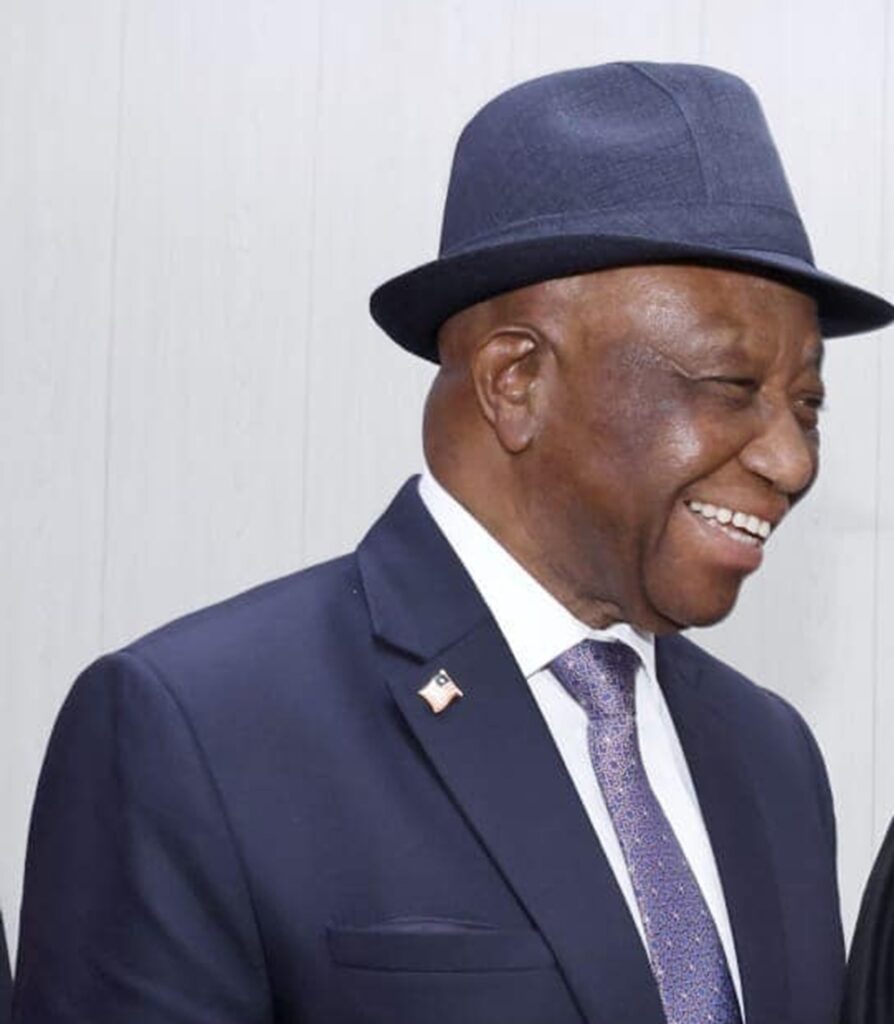
Stevquoah, a veteran administrator and policy advisor, steps into this position not as a newcomer but as a seasoned insider—having served as Chief of Office Staff for then Vice President Boakai throughout his 12-year tenure to former President Ellen Johnson Sirleaf. Stevquoah’s knowledge of both the man and the office gives him a formidable advantage as he assumes the de facto role of chief operating officer of the Presidency.
What the Minister of State Actually Does
From the Executive Mansion, some of what Stevquoah will do daily will include:
- Coordinating day-to-day operations of the Presidency
- Advising the President on national policy and strategic matters
- Facilitating communication between the Office of the President and ministries, agencies, and the public
- Overseeing presidential engagements, both domestic and international
- Representing the President in key forums as designated
- Promoting a culture of integrity, discipline, and efficiency within the executive
In a letter to Stevquoah, President Boakai expressed confidence in his nominee, describing the appointment as “central to the coordination of the affairs of the Presidency.” The President emphasized the need for dedication, professionalism, and loyalty, and charged Stevquoah with upholding the values of public service at the highest level.
Who is Sam Stevquoah?
The nominee brings with him a long record of public service and administrative competence. With a professional background in public policy and administration, Stevquoah has worked in both government and private sectors and is widely regarded as a quiet operator with a deep understanding of Liberian politics and governance.
As Chief of Office Staff to then Vice President Boakai (2006–2018), Stevquoah was involved in the day-to-day operations of the second highest office in the land—a post that positioned him as a trusted advisor and operational strategist.
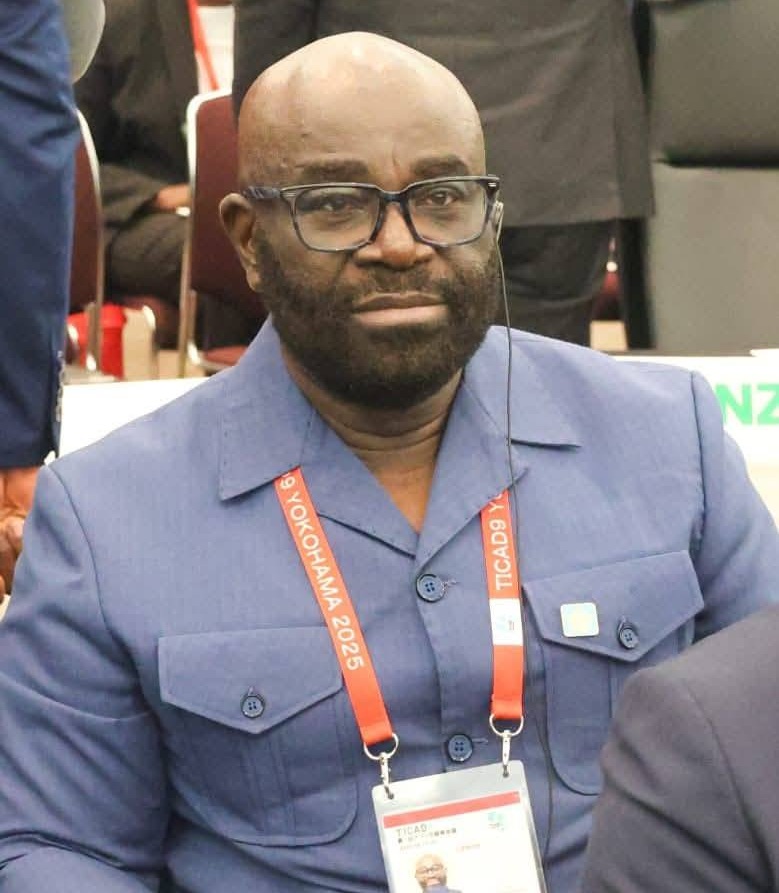
Supporters within the ruling Unity Party (UP) say President Boakai could not have made a better choice. “This is a position of trust and confidentiality,” one UP official told The Liberian Post. “The President needs someone who already understands the flow of governance and who shares his values. Sam is that person.”
Analysis: Boakai’s Inner Circle Narrows, But Focus Sharpens
With this nomination, President Boakai is consolidating control within the executive branch by surrounding himself with loyalists who share his style of governance: cautious, methodical, and loyalty-driven.
Unlike flashier appointments made for political expediency, this choice is more technocratic than transactional. Stevquoah is not a household name, but his familiarity with the machinery of governance—and his long-standing relationship with Boakai—makes him uniquely qualified to navigate the complex responsibilities of the office.
This also suggests the President is doubling down on continuity, especially after the untimely passing of Mr. Grigsby, a seasoned statesman who was instrumental in shaping the early months of the Boakai administration.
In a government where many appointments are measured in political capital, Stevquoah’s nomination is measured in institutional memory and strategic trust.
Conclusion: The Calm After the Storm
The death of Minister Grigsby created a brief moment of uncertainty at the center of presidential power. But the nomination of Sam Stevquoah has restored calm. He now awaits Senate confirmation, which—given his experience and low-profile reputation—is expected to proceed with minimal opposition.Should he be confirmed, Stevquoah will not only manage the day-to-day affairs of the Presidency, he will also serve as the President’s closest confidant and strategic coordinator. In a nation where governance often depends as much on relationships as it does on policy, the President’s gatekeeper may soon become one of the most consequential figures in Liberian public life.