Monrovia, Liberia — In a surprising and widely criticized development, several of Liberia’s highest-ranking government officials, including President Joseph N. Boakai, Vice President Jeremiah Kpan Koung, House Speaker Richard Nagbe Koon, Deputy Speaker Thomas P. Fallah, and numerous legislators, notably abstained from participating in the 178th National Flag Day celebrations.
Their conspicuous absence raised serious questions about the leadership’s commitment to national unity and civic engagement, prompting public debate over what the gesture—or lack thereof—signals for governance and national identity.
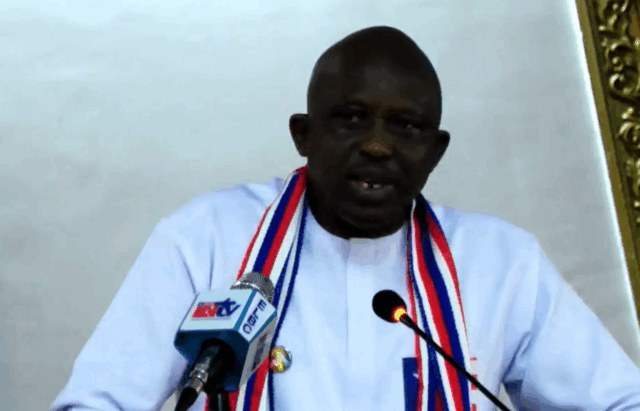
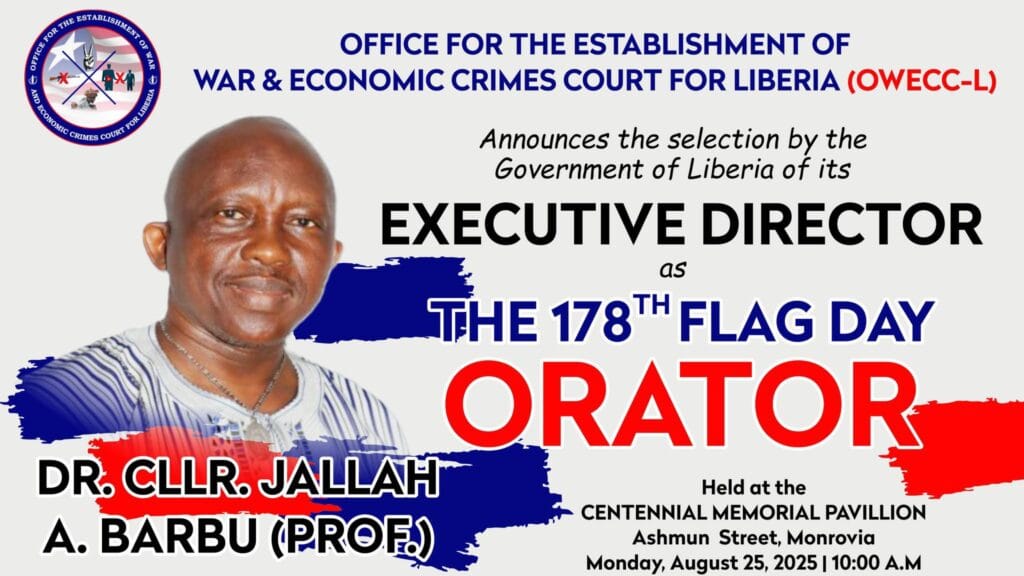
During the event’s keynote address, legal scholar and prominent public figure Dr. Cllr. Jallah A. Barbu took center stage to remind attendees of the day’s profound significance, marking Liberia’s rich history and enduring national pride.
Dr. Barbu did not hold back in expressing his disappointment over the absence of key officials, emphasizing that their nonattendance undermines the spirit of patriotism and collective responsibility that National Flag Day embodies.
Beyond addressing the leadership vacuum, Dr. Barbu issued a strong appeal for the immediate lifting of the ban on the Poro and Sande societies — cultural institutions deeply woven into Liberia’s social fabric. The ban, instituted during the administration of President George Weah, has been a contentious issue, drawing criticism from advocates who argue for the preservation of Liberia’s traditional heritage.
“We must foster an inclusive environment that respects and recognizes our diverse cultural practices, including those associated with the Poro and Sande societies,” Dr. Barbu urged.
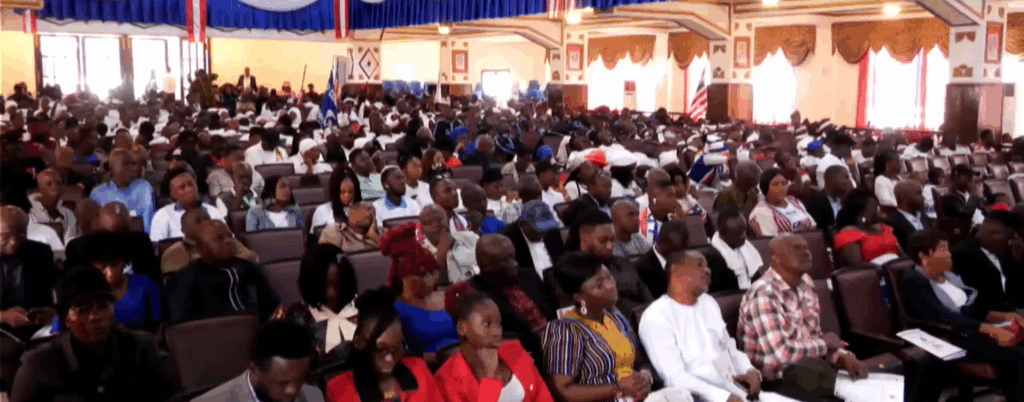
The ceremony concluded on a reflective note, with many attendees expressing concern over the apparent disconnect between government officials and the citizenry during such pivotal moments of national commemoration.
Public discourse has since intensified, with citizens and political analysts alike scrutinizing the current administration’s handling of cultural affairs and its broader approach to fostering national cohesion.
As Liberia continues to navigate complex societal challenges and aspirations, the recent absence of top government leaders from the National Flag Day ceremony serves as a potent reminder of the critical role that visible leadership plays in inspiring civic pride and unity.