MONROVIA, Liberia — The United Nations has reaffirmed the central role of the Liberian diaspora in national development, describing overseas Liberians as the country’s most reliable and patriotic investors.
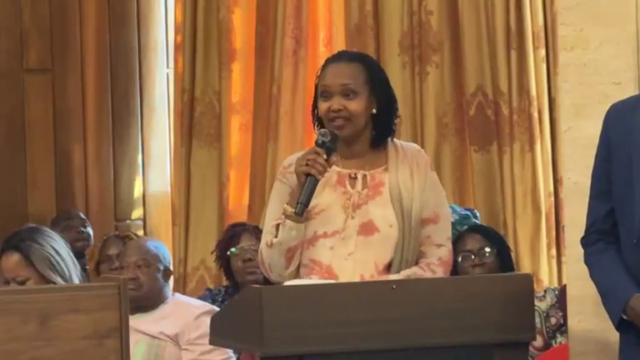
Delivering remarks at the Diaspora Farewell Program, UN Resident Coordinator Christine N. Umutoni said diaspora engagement must be viewed not merely as cultural reconnection but as a strategic development pillar for Liberia’s future.
“You are Liberia’s best ambassadors,” Umutoni told the gathering. “No one can tell Liberia’s story better than those who carry it with them wherever they go.”
She cited remittance inflows estimated at US$800 million annually, noting that beyond family support, a growing share of diaspora funds is being directed into businesses, education, healthcare, and infrastructure.
“These are not abstract numbers,” she said. “They are classrooms built, clinics supported, and livelihoods sustained.”
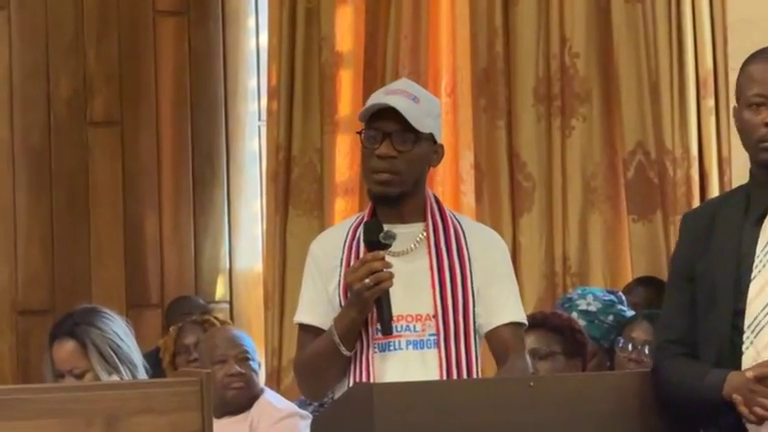
Umutoni highlighted multiple areas where diaspora engagement could accelerate national progress, including small and medium enterprise development, skills transfer, humanitarian response, and political advocacy. She emphasized that diaspora Liberians possess insider knowledge and global networks that position them uniquely to attract foreign direct investment.
The UN official also underscored the importance of structured mechanisms such as diaspora bonds, solidarity funds, and short-term professional return programs, which have proven effective in other countries.
“In many nations, it was professionals who returned for three months, six months, or a year who rebuilt hospitals, universities, and public institutions,” she said.
She praised Liberia’s recent democratic achievements, including peaceful transfers of power and election to the UN Security Council, calling them positive signals for investors and development partners.
The UN, she noted, continues to support Liberia’s diaspora engagement through agencies such as IOM and UNDP, including technical support, coordination platforms, and peacebuilding initiatives.
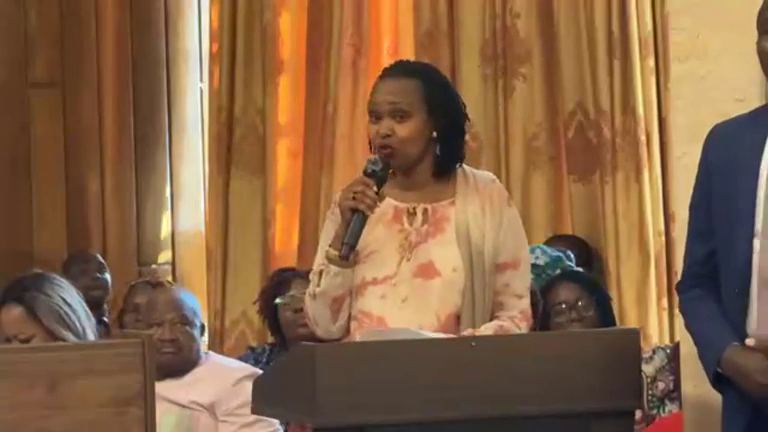
Umutoni also commended the government’s efforts to institutionalize diaspora participation through proposed structures such as a Diaspora Commission, legislative caucuses, and dialogue on diaspora voting.
“Do not ask what your country can do for you,” she urged. “Ask what you can do for your country—and do it together.”
She concluded by reaffirming the UN’s commitment to Liberia’s development journey and to strengthening partnerships that place citizens—at home and abroad—at the center of national renewal.