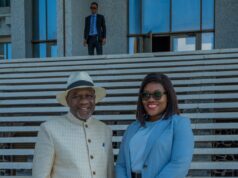
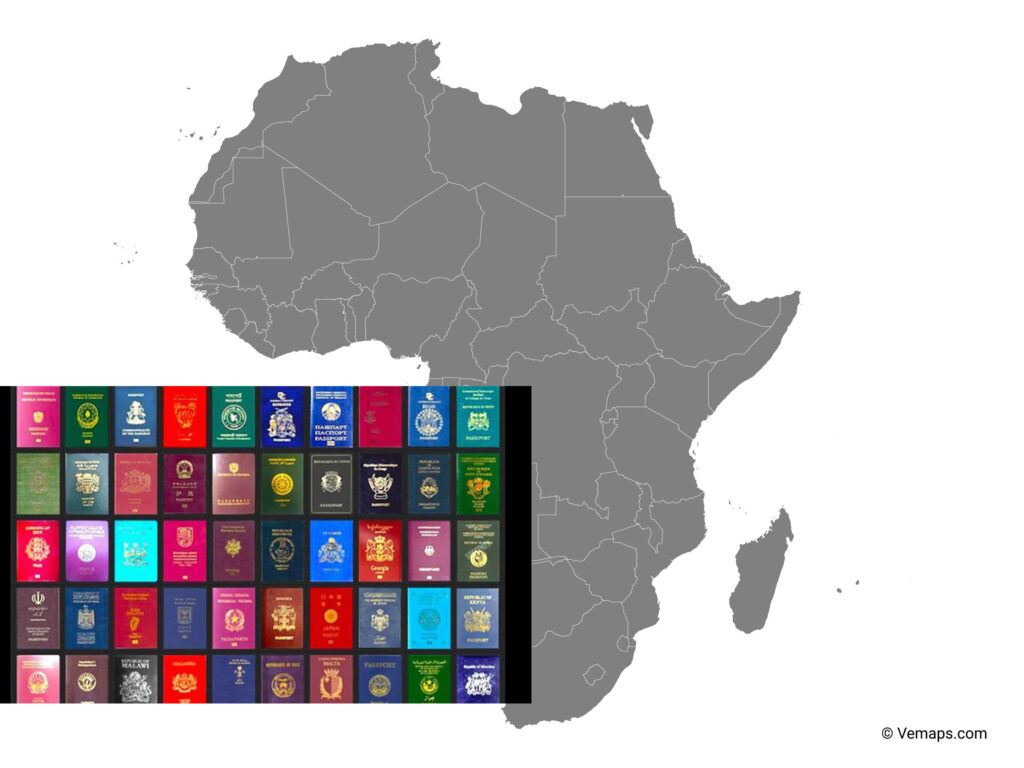
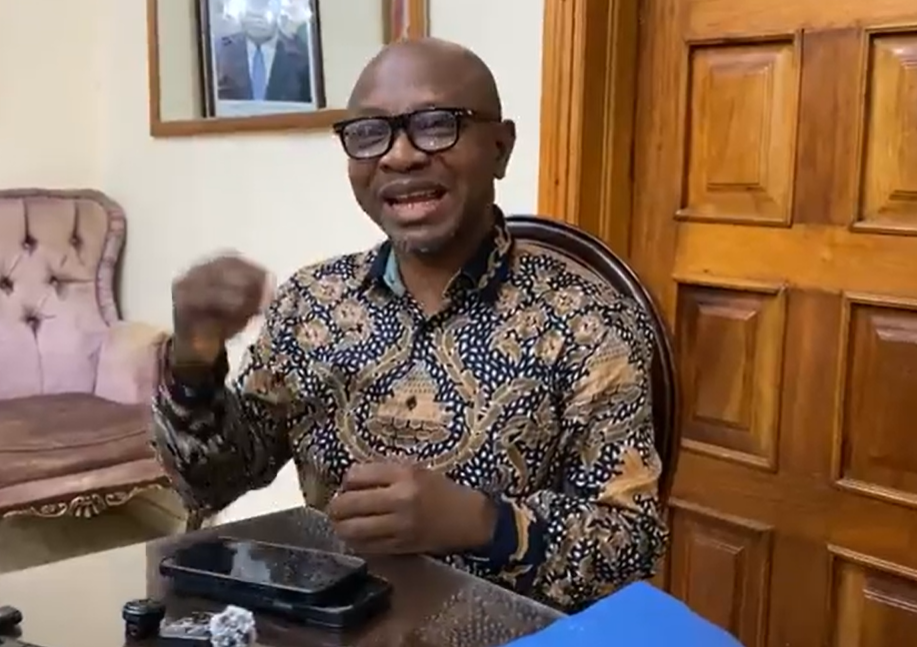
MONROVIA, Liberia — A clarion call for African unity, free movement, and economic self-reliance echoed through Monrovia on Friday as Mr. Ras Mubarak, former Member of Parliament of Ghana and leading Pan-African advocate, addressed the Liberian press on the objectives of the Visa-Free Africa Campaign, a continent-wide initiative seeking to abolish visa restrictions for Africans traveling within Africa by 2030.
The media engagement, which forms part of the Trans-African Tourism & Unity Campaign, was officially opened by Ghana’s Ambassador to Liberia, underscoring Accra’s institutional backing for the initiative. The campaign, endorsed by the Government of Ghana and aligned with the African Union’s Agenda 2063, is undertaking a historic 163-day, 40,000-kilometer road journey across 39 African countries to mobilize political will and public support for visa-free intra-African travel.
Liberia marks a major milestone on the journey, becoming the 30th country visited by the campaign team, which has already traversed West, Central, Southern, and parts of East Africa exclusively by road.
Free Movement as an Economic Imperative
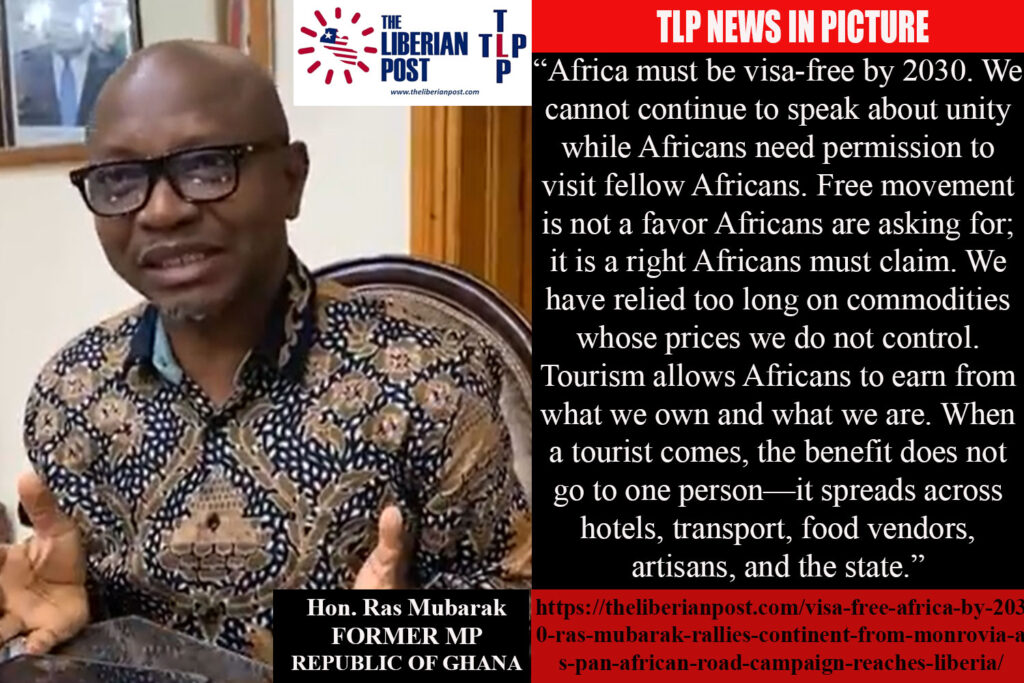
Addressing journalists, Mubarak framed visa liberalization not merely as a diplomatic gesture but as an urgent economic necessity. He argued that Africa’s overreliance on raw commodity exports—whose prices are dictated by external markets—has left economies vulnerable and underdeveloped.
“We have overly relied on our natural resources, commodities whose prices we don’t control,” Mubarak said. “Tourism offers a sustainable alternative—tourists sleep in hotels, pay taxes, eat local food, use transport, buy crafts, and create jobs across an entire ecosystem.”
He emphasized that visa-free travel would unlock intra-African tourism and trade, allowing Africans to spend, invest, and trade more among themselves rather than exporting wealth outside the continent.
“A dollar spent outside Africa is a dollar spent impoverishing Africans,” he noted, pointing to paradoxes such as African countries importing fertilizer from Europe while Morocco remains the world’s largest producer, or importing rubber products from abroad when Liberia itself is a major rubber producer.
Liberia’s Strategic Place in the Pan-African Vision
Mubarak used Liberia as a powerful example of why Africans must travel more within their own continent. He noted that many Africans mistakenly view Liberia solely as a settlement of freed slaves, ignoring the rich indigenous civilizations that pre-dated their arrival.
“If Africans don’t travel to Liberia, how would they know that indigenous people were here long before freed slaves arrived?” he asked, stressing that cultural understanding is impossible without physical movement across borders.
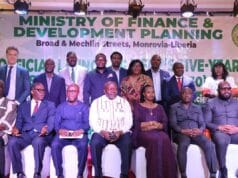
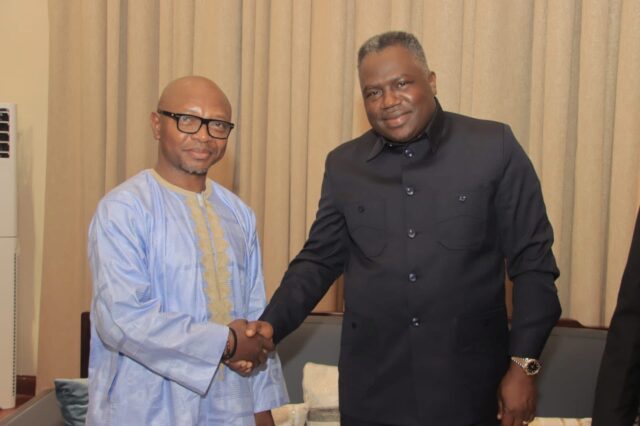
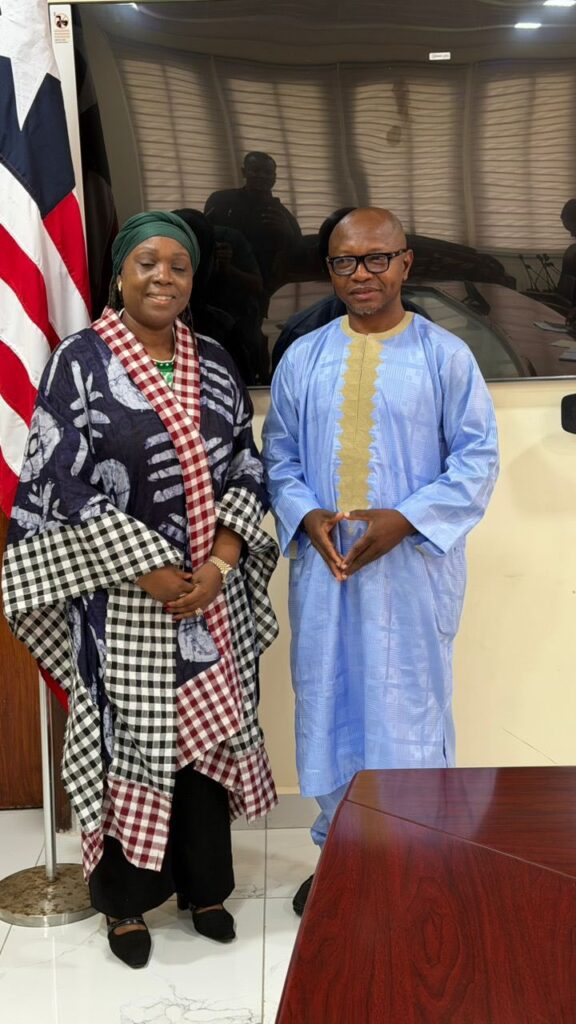
The campaign team, he disclosed, held high-level engagements with Jeremiah Kpan Koung, Vice President of Liberia, who assured them of the government’s full endorsement. Meetings were also held with Foreign Minister Sara Beysolow Nyanti, the Director-General of Immigration, and the Liberia National Tourism Authority, all signaling Liberia’s openness to advancing visa liberalization.
Mubarak revealed that Liberia has previously explored the possibility of visa-free entry not only for Africans but also for people of African descent in the diaspora, urging authorities to accelerate that process.
Security Concerns and the Rwanda Model
Responding to concerns that visa-free travel could fuel cross-border crime or terrorism, Mubarak dismissed such fears as overstated, citing Rwanda as a living example.
“Rwanda shares borders with some of the most unstable regions in Africa, yet it is visa-free and remains one of the safest countries on the continent,” he said, attributing Rwanda’s success to technology, biometrics, intelligence sharing, and strong civic responsibility rather than restrictive visa regimes.
He argued that Africa must not allow “a few bad nuts” to derail a policy that would benefit hundreds of millions of people.
Youth, Migration, and a Closing Window
Mubarak warned that the failure to integrate Africa internally is costing young Africans their lives, referencing recent tragedies where nearly 190 Gambian migrants reportedly died attempting to reach Europe.
“If we don’t open opportunities here, our youth will continue to die chasing non-existent jobs abroad,” he said, adding that growing global restrictions—particularly in Europe and the United States—make African self-integration more urgent than ever.
Despite setbacks, including visa denials in Mauritania and delays in Botswana, Mubarak expressed optimism, citing growing media attention, youth engagement, and increasing political buy-in across the continent.
“Our message is simple,” he concluded. “Africa must be visa-free by 2030. We have to be the change we want to see in Africa.”
As the campaign departs Liberia for Côte d’Ivoire, its passage through Monrovia has reinforced Liberia’s emerging role as a receptive partner in a continental push toward unity, mobility, and shared African prosperity.