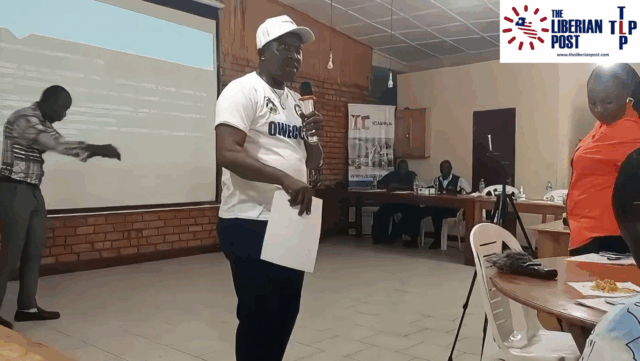
MONROVIA – At a workshop organized by New Narratives for journalists from Margibi and Montserrado counties, Cllr. Dr. Jallah A. Barbu, Executive Director of the Office of the War and Economic Crimes Court (OWECC-L), addressed recent developments regarding the establishment of the War and Economic Crimes Court and the Anti-Corruption Court in Liberia.
The workshop provided a platform for Dr. Barbu to outline the progress made since he assumed the leadership of OWECC-L last year and to clarify the national roadmap for these pivotal judicial bodies.
Dr. Barbu explained that the national roadmap includes specific timelines for various activities aimed at establishing each court, with a focus on improving accountability and justice in the wake of Liberia’s tumultuous history.
Notably, both courts will have retroactive jurisdiction starting from 1979, coinciding with a period marked by conflict and corruption in the country.
“The War and Economic Crimes Court is designed to address atrocities committed during the civil war leading up to its end in 2003, while the Anti-Corruption Court will continuously tackle ongoing corruption issues,” Dr. Barbu stated.
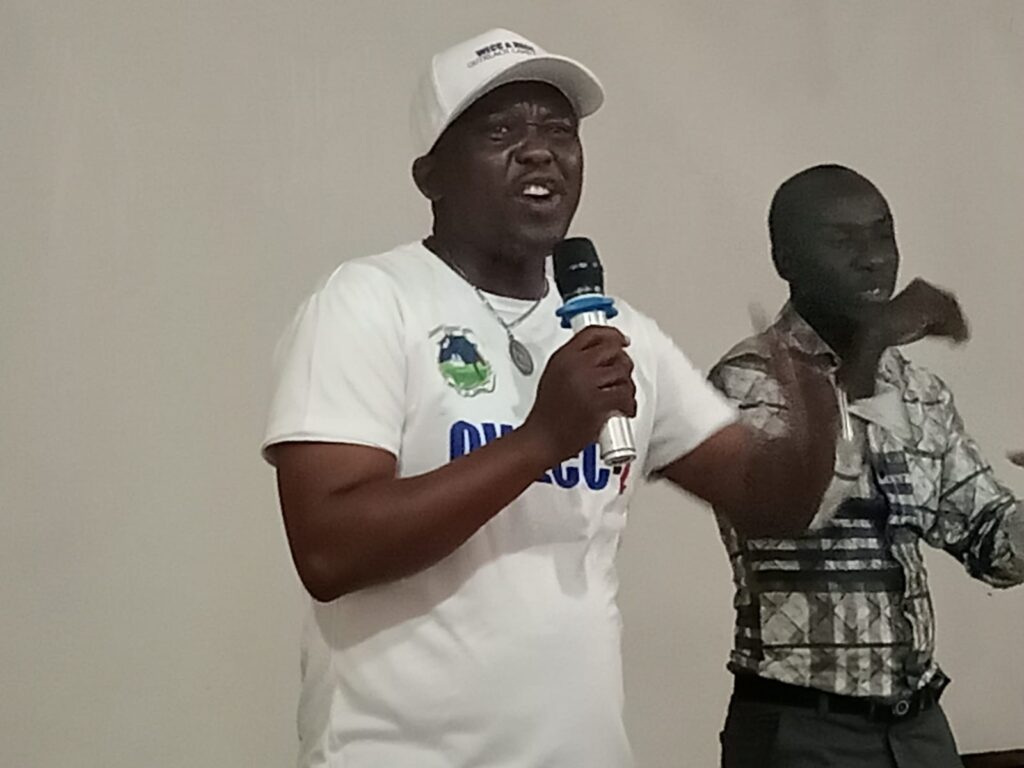
He emphasized the importance of the Anti-Corruption Court, stressing that many individuals who profited from the war through state looting are still enjoying their wealth while ordinary Liberians continue to suffer.
The timeline for the national roadmap extends from 2024 to 2033, with the Anti-Corruption Court expected to be operational by 2026. Dr. Barbu outlined that the budget for establishing these courts is substantial, with a particular emphasis on securing adequate funding and training.
He said the Government of Liberia has committed to provide US$2 million for the operation of the office but has only provided US$300,000 and part of that money is being used for the day-to-day running of the office. He also disclosed that no financial contribution has been made by any foreign partner other logistics.
“We are currently working on essential components such as budget allocation and security training necessary for operationalizing these courts,” he noted.
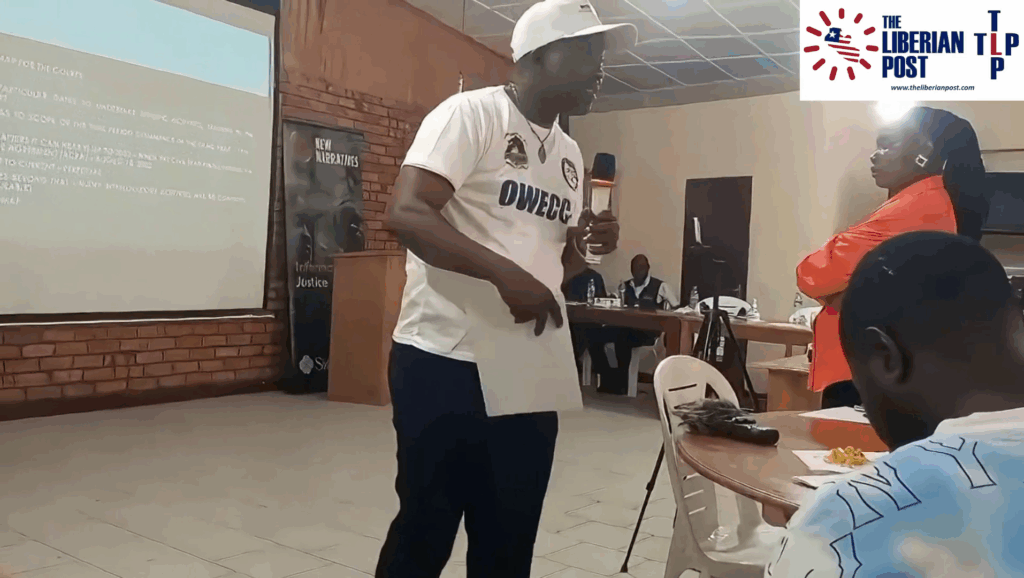
The workshop also featured a question-and-answer segment where participants showed keen interest in the practical implications of the establishment of these courts.
Questions focused on the financial requirements for launching the courts, with Dr. Barbu indicating that the estimated budget necessitates careful planning and collaboration. “The government of Liberia is actively supporting these efforts, reflecting the President’s commitment to fighting corruption and ensuring justice,” he affirmed.
As Liberia moves towards a more accountable governance framework, the establishment of the War and Economic Crimes Court and the Anti-Corruption Court represents a crucial step in addressing past injustices and rooting out corruption, pivotal for the nation’s rebuilding process.