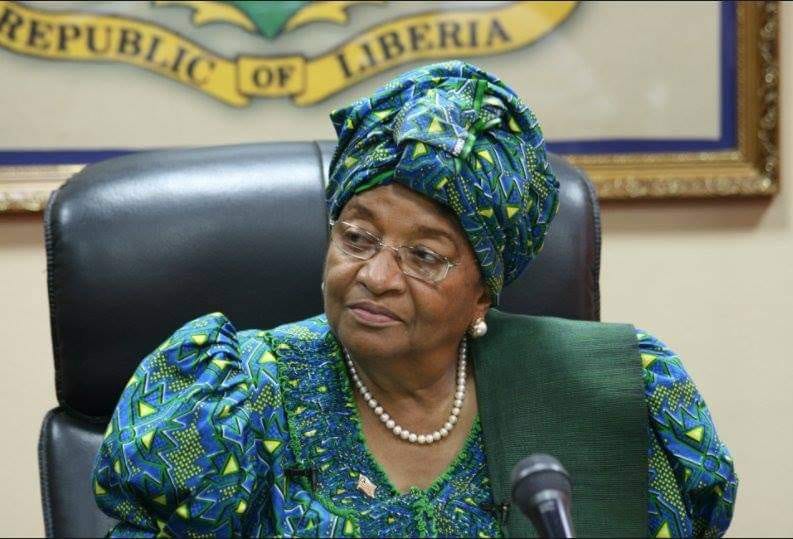
MONROVIA – Former President Ellen Johnson Sirleaf once said that “Liberia Education System is a Mess”, immediately after she ascended to the presidency after the civil war of 1999-2003. Her analysis of the system at the time may have been attributed to the civil war which brought every fabric of the country’s institutions down to tartar, including education, health, among others.
And in trying to repair the mess that was being talked about withing the educational system, the former President instituted measures aimed at dealing with the situation at hand at the time. Her Administration offered free tuition service for public elementary schools, with more focus on the girl child, among others.
The Ministry of Education offered more training opportunities for teachers at all levels to beef up their capacity in order to impact knowledge to students that were being taught under their watch.
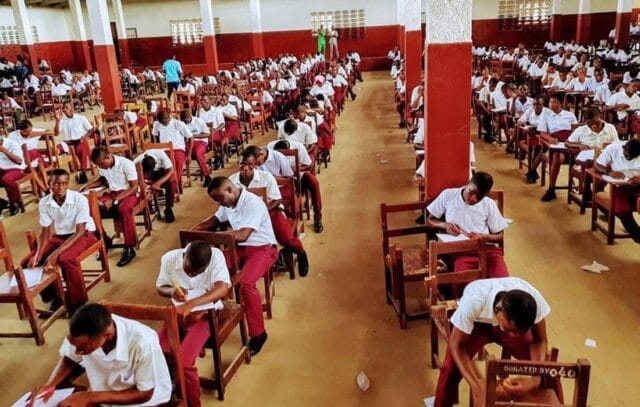
So, after so many years after former President Sirleaf’s statement about Liberia’s educational system, it is that the system is still a mess judging from the recent provisional results released by the West Africa Examinations Council (WAEC) Liberia’s office? The results seem to point in that direction that there is still more to do to ensure academic excellence in the school systems.
The WASSCE Provisional 2025 Provisional Results
Liberia’s education system faces renewed scrutiny following the release of the 2025 West African Senior School Certificate Examination (WASSCE) results, which revealed that only 822 students passed at least five subjects with credit, including English and Mathematics, out of more than 51,000 candidates who sat the exams.
The provisional results, released by the West African Examinations Council (WAEC) Liberia National Office recently, show that just 1.6% of students met the benchmark for credit passes in core subjects—raising alarms across the country about the quality of learning and preparedness in secondary schools.
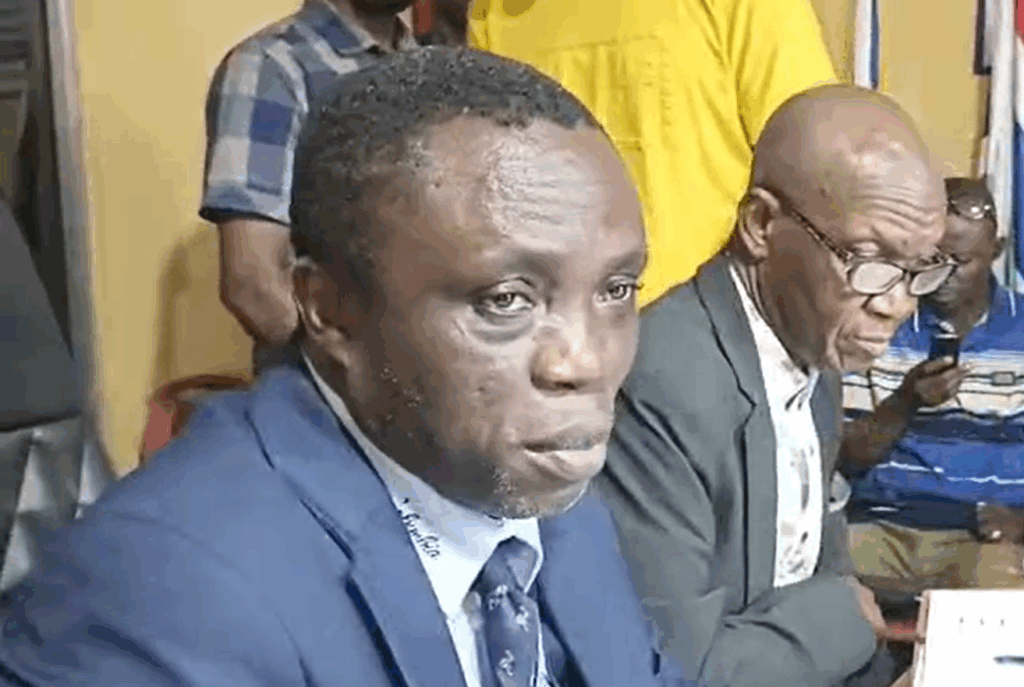
WAEC’s Head of National Office, Mr. Dale G. Gbotoe, made the announcement during a press conference held in Congo Town. He confirmed that 51,719 students were examined across 379 centers nationwide.
“Although we’ve seen slight improvements in other national exams, the WASSCE results remain deeply concerning,” Mr. Gbotoe said.
Other statistics from the WASSCE include:
28,576 candidates passed at least 5 subjects (including English and Math) with any grade.
37,081 passed at least 4 subjects.
42,970 passed at least 3 subjects.
In a further blow, results for 1,944 candidates have been withheld due to suspected examination malpractice. Investigations are ongoing.
While the Liberia Junior High School Certificate Examination (LJHSCE), Primary School Certificate Examination (LPSCE), and National Assessment Test (LNAT) showed moderate improvements, the sharp underperformance in WASSCE paints a bleak picture for the nation’s future workforce.
Despite the setback, WAEC announced hopeful changes for 2026. A total of 39 new subjects will be introduced next year, allowing students to choose up to nine subjects that better align with their academic strengths and career paths.
Also present at the press conference, Deputy Minister for Instructions, Amos Fully, praised WAEC-Liberia for its effort but urged school authorities to prioritize better preparation. “The low performance is a wake-up call,” Fully said. “We must all work together to restore academic excellence.”
Certificates for the 2023 exams will be available for collection starting December 2025, while early registration for the 2026 exams will begin in September and run through December.
As Liberia reflects on these sobering results, the education sector faces urgent calls for reform to ensure that no child is left behind.
There are calls for the government to augment the Ministry of Education budget in order to hire more quality teachers across the country and also conduct training for teachers to build up their respective capacities. Private schools are also urged to hire top quality teachers and pay them handsomely to get the desired results in the educational system.