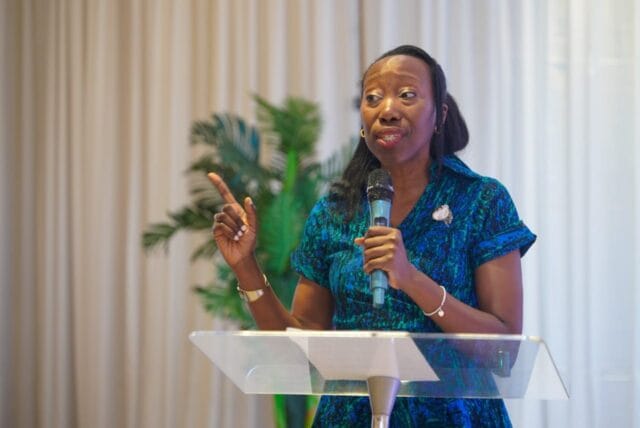
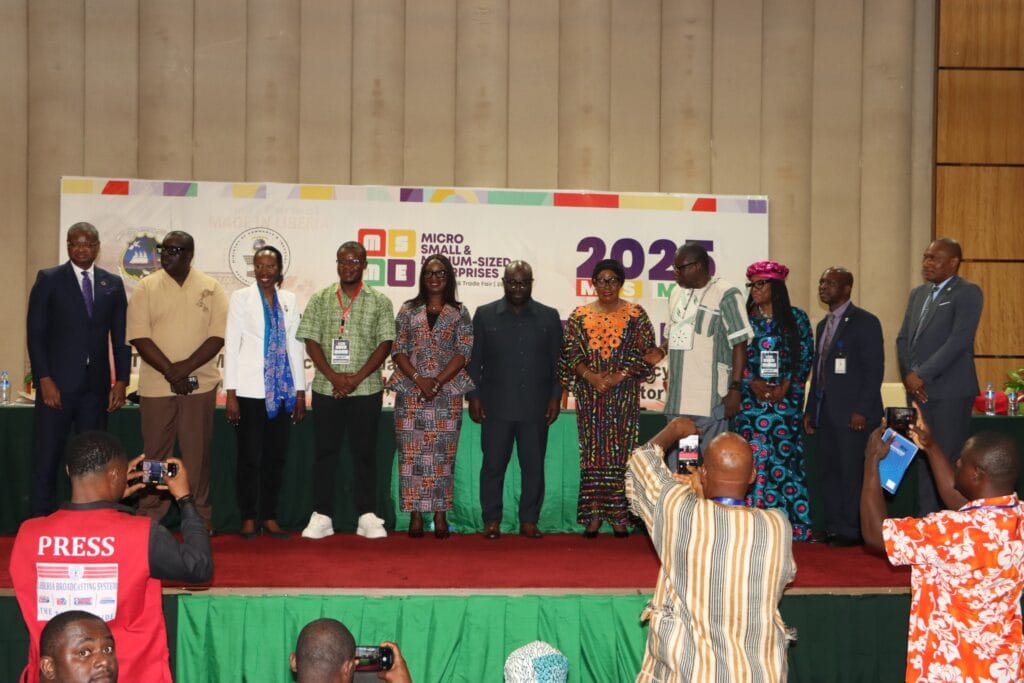
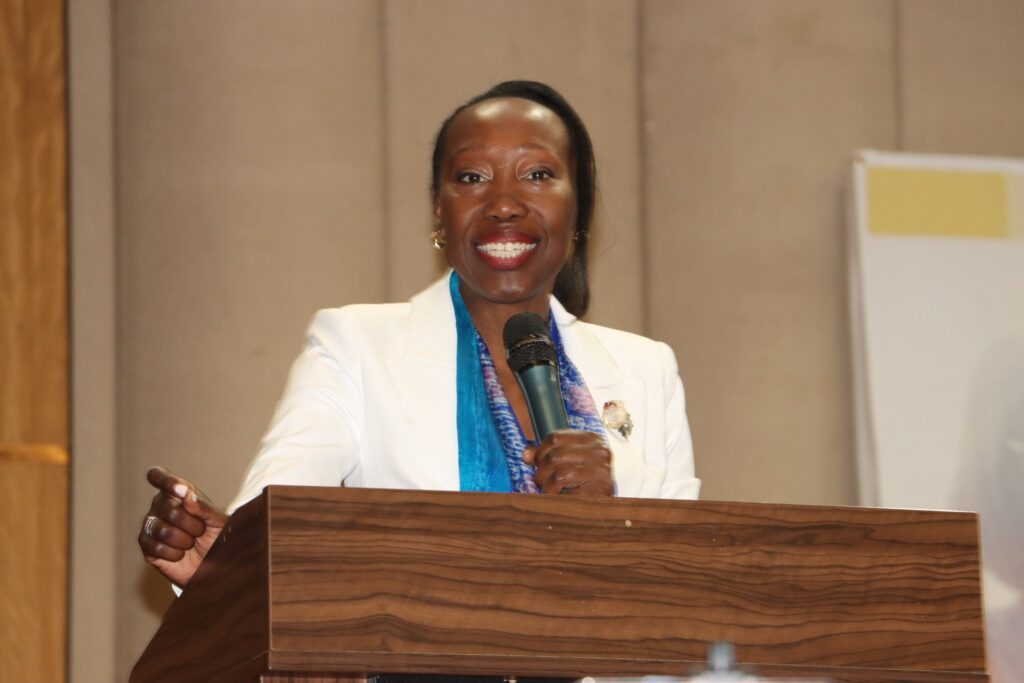
MONROVIA, Liberia — The World Bank has reaffirmed its long-term commitment to strengthening Liberia’s micro, small, and medium-sized enterprises (MSMEs), calling them “bright stars and beacons of hope” in the country’s economic transformation. The assurance was delivered Monday, December 8, 2025, by Georgia Wallen, World Bank Country Manager for Liberia, at the opening of the Seventh National MSME Conference and Trade Fair held at the Ellen Johnson Sirleaf Ministerial Complex in Congo Town.
This year’s conference is the first fully revived edition since the COVID-19 disruption and subsequent economic downturn, and it marks a renewed push by the Ministry of Commerce and Industry to support entrepreneurship, innovation, and private-sector growth.
World Bank Hails Boakai Administration, Commends Revival of MSME Conference
In her address, Wallen congratulated the Government of Liberia—particularly the Ministry of Commerce and Industry—for bringing back the national MSME platform, which had been dormant for several years.
“On behalf of the World Bank, I would like to recognize His Excellency’s leadership and to congratulate the Ministry of Commerce and Industry for reviving this annual National MSME Conference. This event showcases Liberia’s MSMEs, who serve as bright stars and beacons of hope,” she said.
Wallen emphasized that the World Bank views the sector as central to job creation, poverty reduction, and long-term growth.
90% of Liberia’s Private Sector Is Made Up of Micro-Firms, World Bank Reports
Referencing findings from the Bank’s recent Liberia Economic Update, Wallen highlighted three structural realities shaping Liberia’s labor market:
- MSMEs dominate Liberia’s private sector, with micro-firms (1–8 employees) accounting for 90 percent of all businesses.
- The dominance of micro-firms keeps most workers in low-wage, low-productivity, and vulnerable employment.
- Liberian youth—despite gaining skills and education—remain significantly underemployed due to limited private-sector opportunities.
“Liberia’s private sector is currently unable to generate the quality jobs needed to offer meaningful wages, stability, and opportunity,” Wallen said.
She stressed that addressing these challenges requires coordinated action across government ministries, development partners, and the private sector.
World Bank Outlines Current Investments to Transform Liberia’s Private Sector
Wallen detailed several World Bank interventions designed to expand access to finance, boost private-sector competitiveness, and strengthen regulatory systems under the Liberia Investment, Finance and Trade (LIFT) Project.
Key initiatives include:
- US$6.5 million in financing for MSMEs through eight financial institutions, including banks and microfinance lenders.
- Strengthening credit-risk assessment and the movable collateral registry to help lenders better evaluate small businesses.
- More than US$3.5 million in training and technical assistance to make MSMEs investment-ready and capable of scaling.
- Support for reforms in business entry, investment, and trade—including simplifying business registration, easing cross-border trade, and integrating MSMEs into value chains through a national supplier-development portal.
“These efforts are part of our new Country Partnership Framework, which explicitly prioritizes building foundations for more and better jobs,” Wallen said.
Women and Youth Entrepreneurs Receive Dedicated Support
Wallen acknowledged the unique barriers faced by women- and youth-led businesses, including limited access to capital, restricted market participation, and constrained mobility.
Through the Liberia Women Empowerment Project and the REALISE Project, the World Bank is expanding tailored mentorship, technical assistance, and financing options.
“These programs ensure that micro and small enterprises led by women and youth can see and seize a pathway to growth,” she said.
A Call for an Action Plan to Deliver Results by 2026
The Country Manager urged all stakeholders—government bodies, private investors, business associations, and development partners—to use the conference to craft a clear 12-month action plan for strengthening MSMEs.
“Today’s discussions are a vital step in ensuring Liberia’s MSMEs are equipped to overcome challenges and seize opportunities,” Wallen said. “When we gather again next year, we should be able to point to tangible strides and reforms that put Made-in-Liberia products on the map.”
Message to Liberia’s Entrepreneurs: “Keep Daring, Keep Learning”
Wallen closed with a personal message to Liberia’s entrepreneurs, praising their resilience and creativity.
“A closing word to Liberia’s MSMEs—to Liberia’s bright stars and beacons of hope: Believe in Liberia’s greatness. Keep daring, keep learning, and keep focused,” she said.
She celebrated Mahmoud Johnson, CEO of J-Palm Liberia and keynote speaker for the conference, calling him an example of how innovative, youth-led enterprises can transform local industries. “J-Palm exemplifies what is possible,” she noted. “As he reaches for higher heights, let us be inspired—and celebrate the success.”