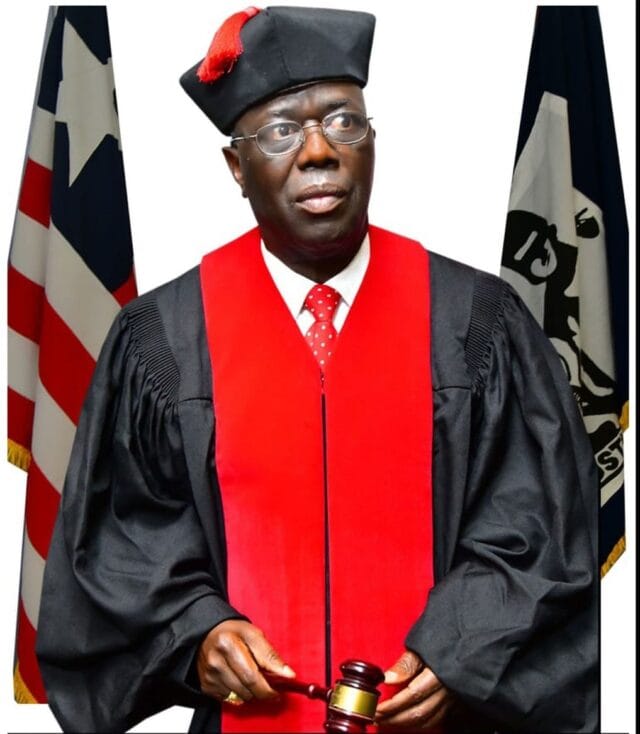
GANTA, Nimba County — Chief Justice Yamie Quiqui Gbeisay Sr. has issued one of his strongest warnings yet to members of the Liberian legal profession, condemning what he described as unethical practices and a growing wave of online attacks that threaten the credibility and independence of the nation’s courts.
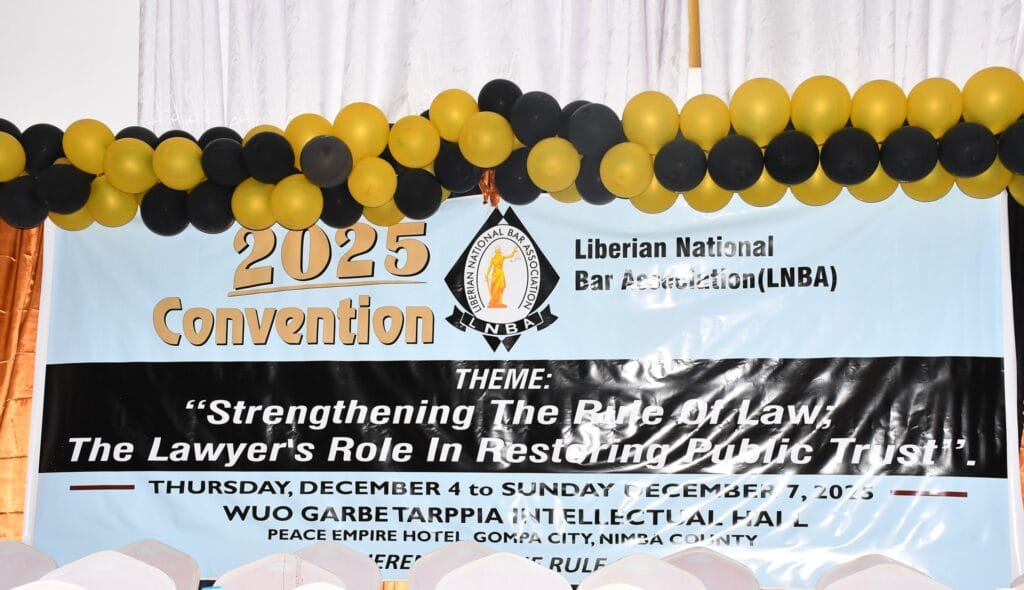
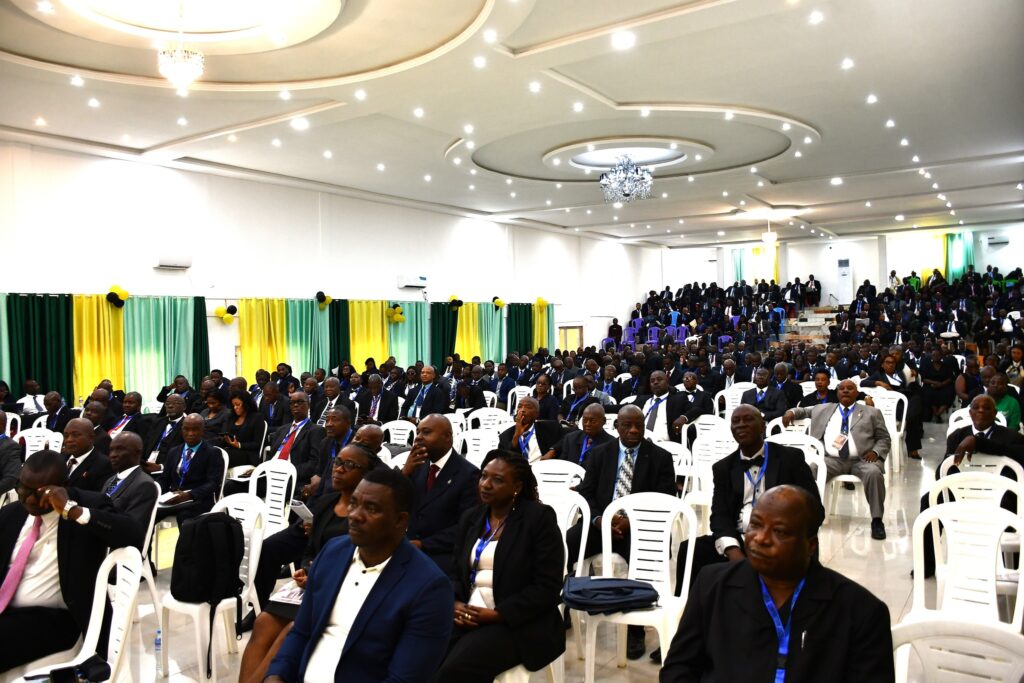
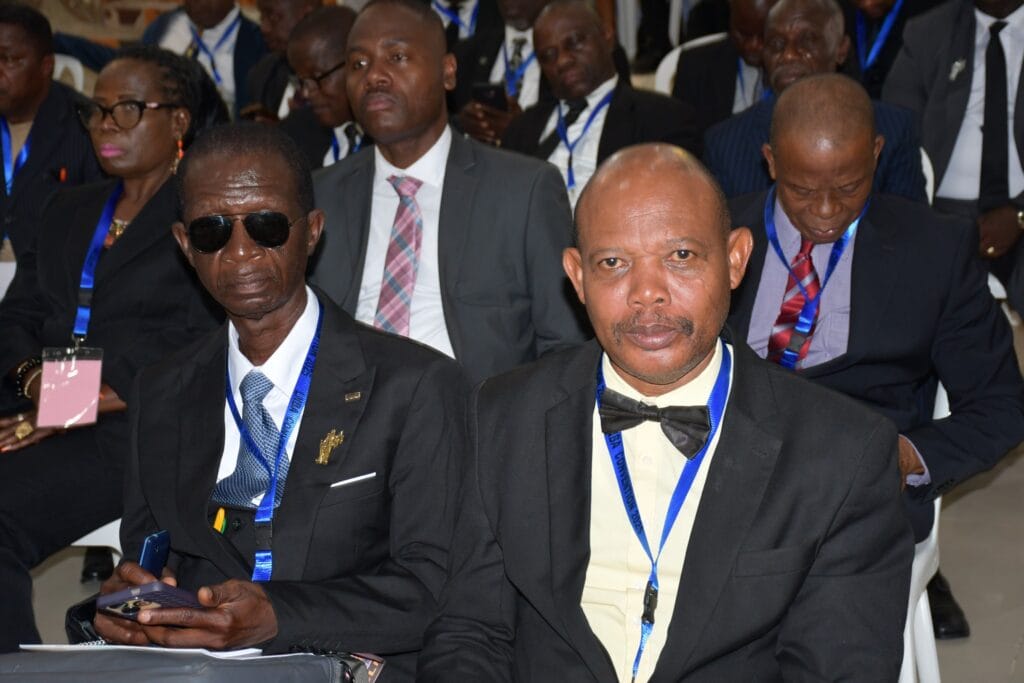
Speaking over the weekend at the Liberia National Bar Association (LNBA) Annual Convention Ganta City, Justice Gbeisay said the Judiciary is under sustained pressure from lawyers who breach ethics, politicize court processes, or weaponize social media to undermine judicial decisions. He vowed that the Supreme Court will take swift disciplinary measures against those who “cross ethical lines and erode public confidence” in the justice system.
“True strength emerges when we, as lawyers lead by example,” he told delegates. “I urge you to commit to a system free from bias, undue influence, or shady dealings. This is the only way public trust can be restored.”
Chief Justice Raises Alarm Over Digital Harassment of Courts
Justice Gbeisay devoted a significant portion of his remarks to what he described as a “disturbing surge” in cyberattacks against the Judiciary. His warning comes at a time when the world is observing the 16 Days of Activism Against Gender-Based Violence, with this year’s global theme focusing on ending digital violence.
“The Judiciary has not been spared from this cyber onslaught,” he said. “Online violence, misinformation, and coordinated attacks strike at the heart of judicial independence.”
According to the Chief Justice, some lawyers are complicit — leaking confidential court documents, making prejudicial public comments on ongoing cases, or encouraging clients to engage in smear campaigns online.
“When a lawyer loses a case, he or she runs to the Chief Justice, the Legislature, the Executive, or social media to denigrate the court,” he said bluntly. “This will not be tolerated.”
Supreme Court Cites Toe v. FrontPage Africa as Guiding Precedent
To reinforce his message, Justice Gbeisay referenced the Supreme Court’s landmark ruling in Toe v. FrontPage Africa, which clarified the boundaries between freedom of expression and defamation. The decision affirmed that while the Constitution protects free speech, it does not shield malicious attacks on judicial officers or attempts to obstruct the administration of justice.
“Liberty must coexist with accountability,” he said. “The Judiciary will defend its independence against intimidation, whether in print or online.”
Legal analysts say the reference underscores the Court’s growing concern that digital platforms are being misused to influence public perception of cases still under deliberation — a trend also observed in Kenya, Ghana, Nigeria, and other emerging democracies where courts increasingly confront online pressure campaigns.
Gbeisay: “The Court Will Not Bow to Pressure”
Justice Gbeisay also dismissed recent rumors and social-media allegations aimed at his office, describing them as coordinated attempts to tarnish his integrity and manipulate judicial outcomes.
“Under my watch, there is not a cricket,” he said, a Liberian colloquialism meant to convey absolute vigilance. “No one will force the Supreme Court to remain silent or hinder its ability to render justice.”
The Chief Justice added that the Supreme Court would remain firm even amid attempts by political actors or disgruntled litigants to sway or intimidate the bench.
Call to Young Lawyers: Integrity and Technology Must Align
Acknowledging the role of younger attorneys in shaping the future of the Bar, Gbeisay urged them to use digital tools responsibly, avoid unethical shortcuts, and prioritize strong legal analysis. He also challenged senior counsels to provide mentorship and protect the dignity of the legal profession.
“The independence of the Bar is essential to preserving national stability,” he said. “Professionalism must guide every brief, petition, argument, and public utterance.”
LNBA Convention Seen as Opportunity for Reform
The Chief Justice expressed optimism that the LNBA Convention will produce practical reforms, including better enforcement of ethical obligations, stronger mechanisms for handling misconduct, and improved cooperation between the Bar and the Bench.
“We can and will strengthen the rule of law, brick by unassailable brick, until public trust stands tall,” Gbeisay concluded.