-Says Boakai’s Multi-User Policy Unlocks New Economic Frontier
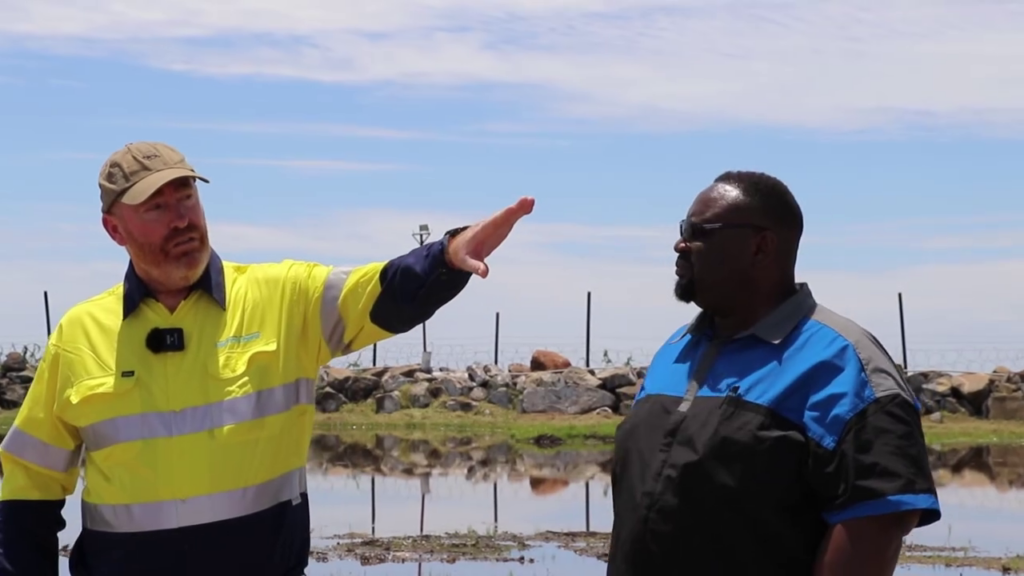
BUCHANAN, GRAND BASSA COUNTY, Liberia — Two senior executives of Ivanhoe Atlantic, Chief Operating Officer Kelvin MClean and Country Manager Henrique Caine, have outlined an ambitious billion-dollar investment plan that could reshape Liberia’s rail, port, and mining infrastructure for decades.
In an exclusive conversation with the Daily Observer, a local daily, the executives detailed the company’s proposed contribution to developing a multi-user, nationally regulated rail and port system — a move they say positions Liberia as one of West Africa’s most promising emerging logistics hubs.
Their remarks come as the Government of Liberia and the National Legislature review the landmark Liberia–Ivanhoe Concession and Access Agreement, widely seen as the anchor contract for President Joseph Nyuma Boakai’s push to modernize Liberia’s linear infrastructure.
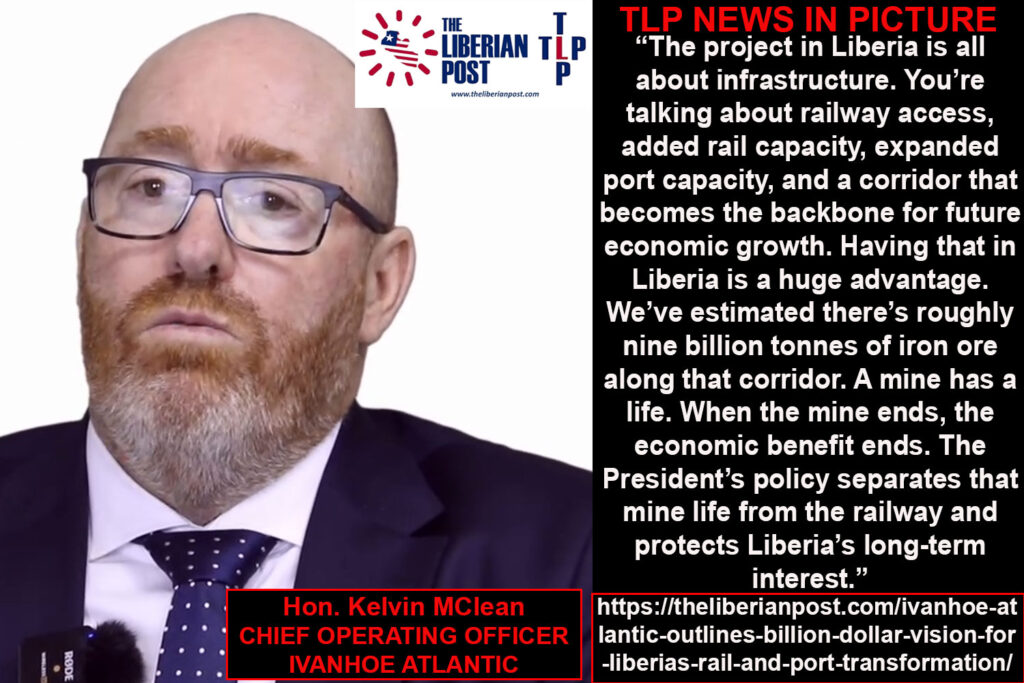
“This Project Is About Transforming Infrastructure” — Ivanhoe COO MClean
MClean emphasized that Ivanhoe’s interest in Liberia goes far beyond mining, describing the company’s plan as an infrastructure-first investment that includes:
- Expansion of rail capacity
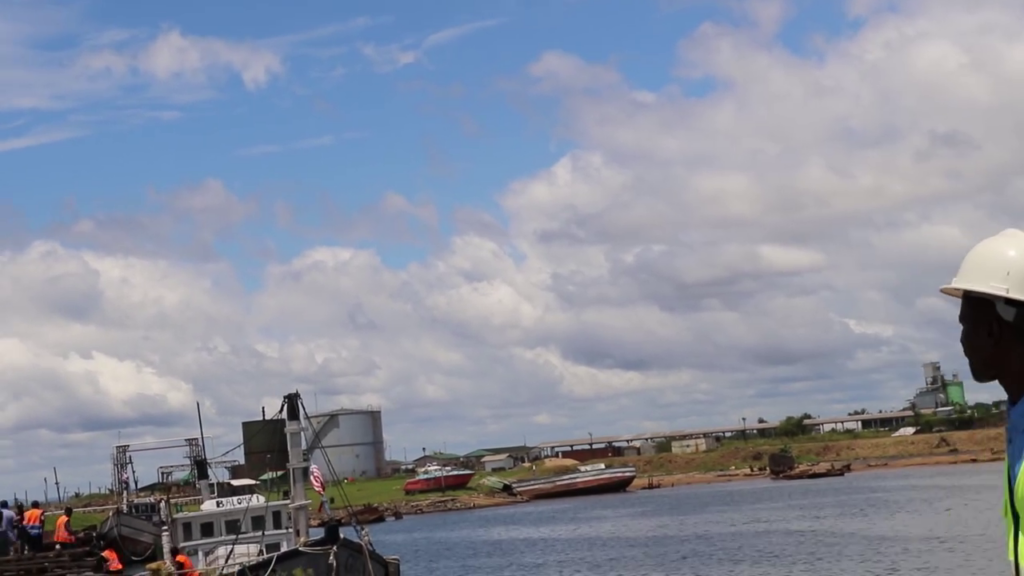
- Upgrades and new development at the Port of Buchanan
- Studies for an additional deep-water port
- Development of the Liberty Corridor, a long-term multi-infrastructure network
- A multi-user rail system managed by an independent operator
“The project in Liberia is all about infrastructure,” MClean said. “You’re talking about railway access, added rail capacity, expanded port capacity, and a corridor that becomes the backbone for future economic growth.”
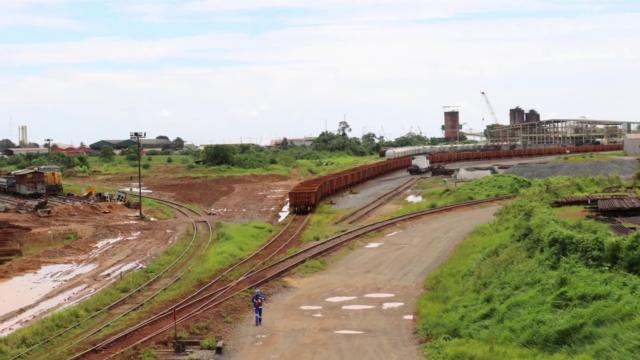
Ivanhoe’s plan builds on what Liberia already possesses — a 243-kilometer, government-owned heavy-haul railway linking Yekepa to Buchanan. The system, capable of 30-ton axle loads, is one of the heaviest existing rail lines in West Africa.
“Having that in Liberia is a huge advantage,” MClean said. “We’ve estimated there’s roughly nine billion tonnes of iron ore along that corridor.”
Boakai’s Executive Order Unlocks Rail Access for All, Says Caine
For Ivanhoe, President Boakai’s Executive Order mandating a multi-user rail model was the turning point.
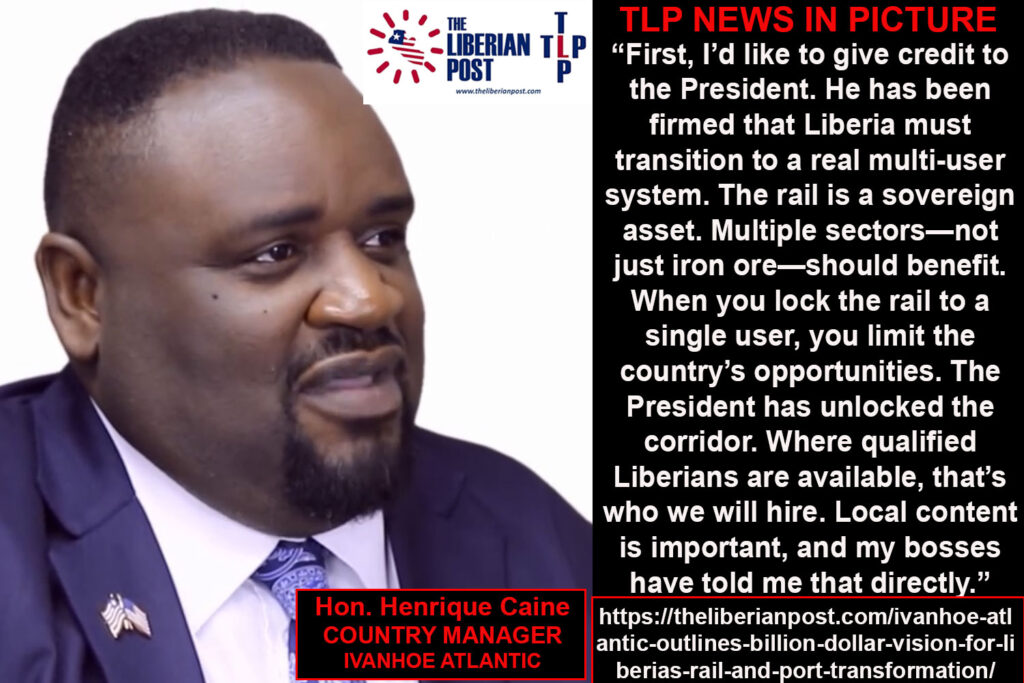
“First, I’d like to give credit to the president,” Caine told the newspaper. “He has been firm that Liberia must transition to a real multi-user system. The rail is a sovereign asset. Multiple sectors—not just iron ore—should benefit.”
Under the multi-user model:
- Agriculture exporters
- Timber processors
- Freight companies
- Passenger operators
…can all use the same national infrastructure.
“When you lock the rail to a single user, you limit the country’s opportunities,” Caine added. “The President has unlocked the corridor.”
Historically, Liberia’s railway infrastructure has been dominated by concessionaires who constructed rail for their own ore evacuation. The Boakai administration seeks to reverse this by establishing a National Rail Authority (NRA) and introducing an independent rail operator responsible for fairness, scheduling, and capacity allocation.
End of Single-User Dominance: “A Mine Has a Life — a Railway Should Outlive It”
MClean explained that the traditional single-user model, where a mining company controls the railway, limits national development.
“A mine has a life,” he said. “When the mine ends, the economic benefit ends. The President’s policy separates that mine life from the railway and protects Liberia’s long-term interest.”
He added that railways and ports are historically the foundation of economic transformation worldwide.
“This Is a Five-to-Seven-Year Project” — And Thousands of Jobs
Ivanhoe expects its first-phase operations to generate:
- 600–800 direct jobs
- Up to 1,000 direct jobs in the second phase
- Thousands more indirect jobs through suppliers, contractors, logistics, and agriculture linkages
MClean stressed that the job multiplier in mining infrastructure is high:
“For every one person who works in the mine itself, about eight other jobs are created.”
Construction is expected to take place across:
- The mine site in Guinea
- Haul-road development in Nimba County
- Rail enhancements along the corridor
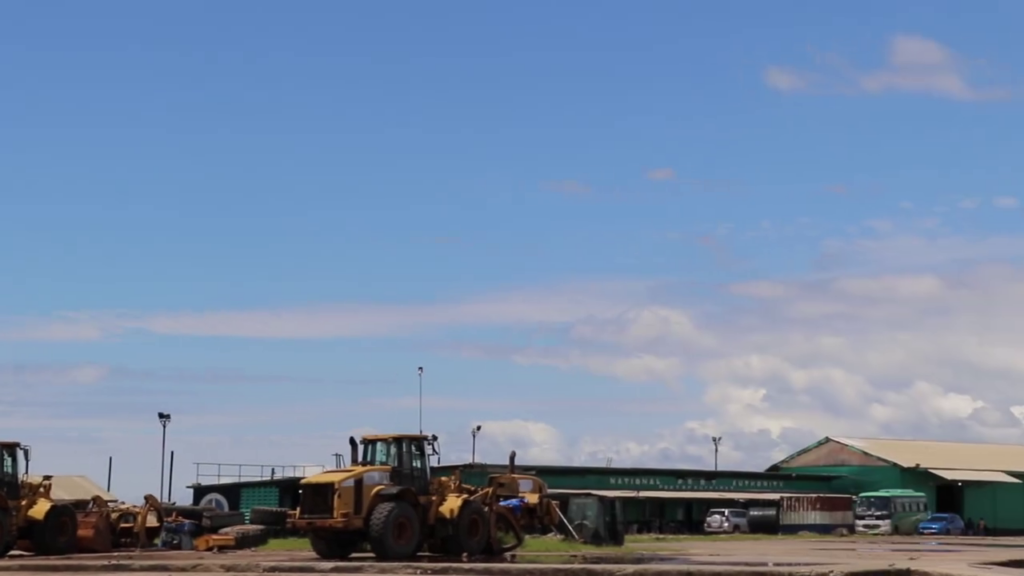
- Port expansion at Buchanan
“We aim for boots on the ground in the first quarter next year,” MClean confirmed.
Local Content, Transparency, and Community Benefits
Both executives highlighted local content as a priority.
“Where qualified Liberians are available, that’s who we will hire,” Caine said plainly. “Local content is important, and my bosses have told me that directly.”
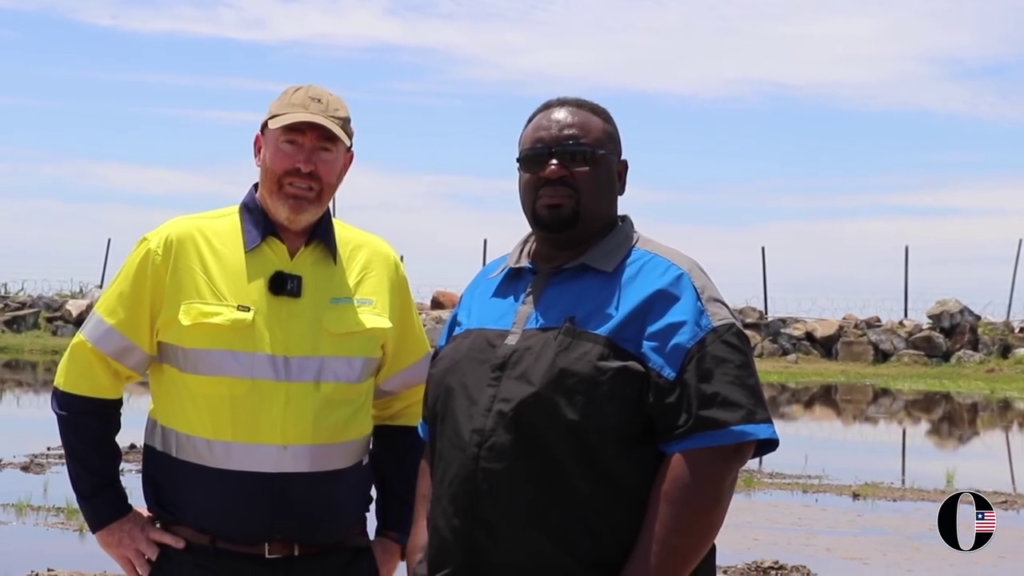
He disclosed that Liberian companies have already bid for civil-works contracts and port-support services and that environmental permitting has advanced through the EPA.
Ivanhoe also committed to annual contributions to communities along the corridor—Nimba, Bong, and Grand Bassa—stressing that community leaders themselves will determine benefit mechanisms.
“Nothing will be done behind closed doors,” Caine said. “Our agreement will be published under the Extractive Industries Transparency Initiative (EITI).”
A Billion-Dollar Investment Anchored on Confidence in Liberia
Asked why Ivanhoe sees Liberia as an attractive destination, MClean pointed to sovereign infrastructure, government openness, and robust investor interest.
“It’s a big project that investors see as economically attractive,” he said. “Infrastructure investments carry less risk than traditional mining investments.”
In private-sector circles, Ivanhoe’s project is widely discussed as potentially one of the largest single foreign investments in Liberia in over four decades, with estimates approaching US$1 billion in combined rail, port, and corridor development.

Government and Legislature Signal Cautious Optimism
While the Boakai administration celebrates the multi-user rail transition, some lawmakers — including Senator Nya Twayen of Nimba — are pressing for enhanced accountability, demanding clear rail-operation frameworks and robust community trust funds before ratification of the Ivanhoe agreement.
Still, industry analysts agree that Ivanhoe’s entry could:
- Break Liberia’s historic infrastructure monopolies
- Open the rail network to multiple users
- Spur new mining investments along the corridor
- Reduce the cost of agriculture freight
- Position Buchanan as a regional export hub
Ivanhoe: “Liberia Will See That We Deliver”
MClean closed the interview with a message of confidence:
“I hope Liberians will say this was the first real step in building a multi-user rail system and that the economic benefits have been real—just as we said.” If all goes according to plan, the company expects visible activity—teams, contractors, and machinery—shortly after ratification.