

-Over 4,300 New Household Connections, Southeast City Projects, and a US$12M Pipe Replacement Effort Mark Liberia’s Biggest Utility Expansion in Decades
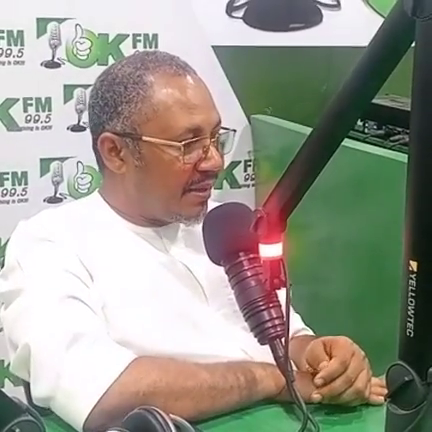
Monrovia, Liberia — The Managing Director of the Liberia Water and Sewer Corporation (LWSC), Mr. Mohammed “Mo” Ali, says the Boakai administration is undertaking the most aggressive expansion and rehabilitation of Liberia’s water and sewage systems in decades, with multiple city projects underway and thousands of households already connected. Appearing on OKAY FM on Thursday, December 11, Ali detailed the significant gains made in 2025, the long-standing structural challenges plaguing the system, and the ambitious targets his team hopes to meet by 2029.
Major Water System Projects in the Southeast
Ali reported that three major water projects are simultaneously ongoing in Zwedru, Pleebo, and Greenville.
- In Pleebo, LWSC is constructing a new system anchored by a tower capable of storing over 100,000 gallons of water.
- Zwedru already has a 150,000-gallon tower, while Greenville’s existing tower is undergoing rehabilitation after being dormant for more than three decades.
Over 4,300 New Household Connections Completed in 2025
The LWSC Managing Director said President Boakai set a target of 3,500 household connections for 2025, a goal the agency has surpassed.
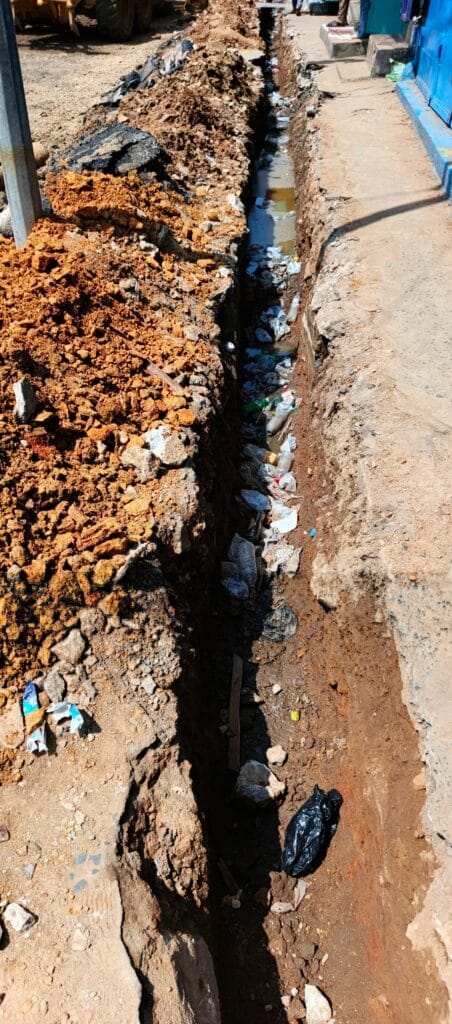
“So far, we’ve done about 4,310 connections, with more than 3,200 of them free for underprivileged households,” Ali said. The World Bank has supported portions of the effort. The cost of connecting a single home—including piping and meters—averages US$500.
Ali emphasized that technical teams assess communities to determine which homes qualify for free connections. Many of these homes are far from LWSC pipes, requiring additional infrastructure investment. Communities benefiting so far include Omega, GSA Road, Duport Road, Thinker’s Village, Duala, Police Academy, Rock Hill, Shara (Shariah), and Buzzi Quarter, among others.
Monrovia Sewer System Undergoing Major Rehabilitation
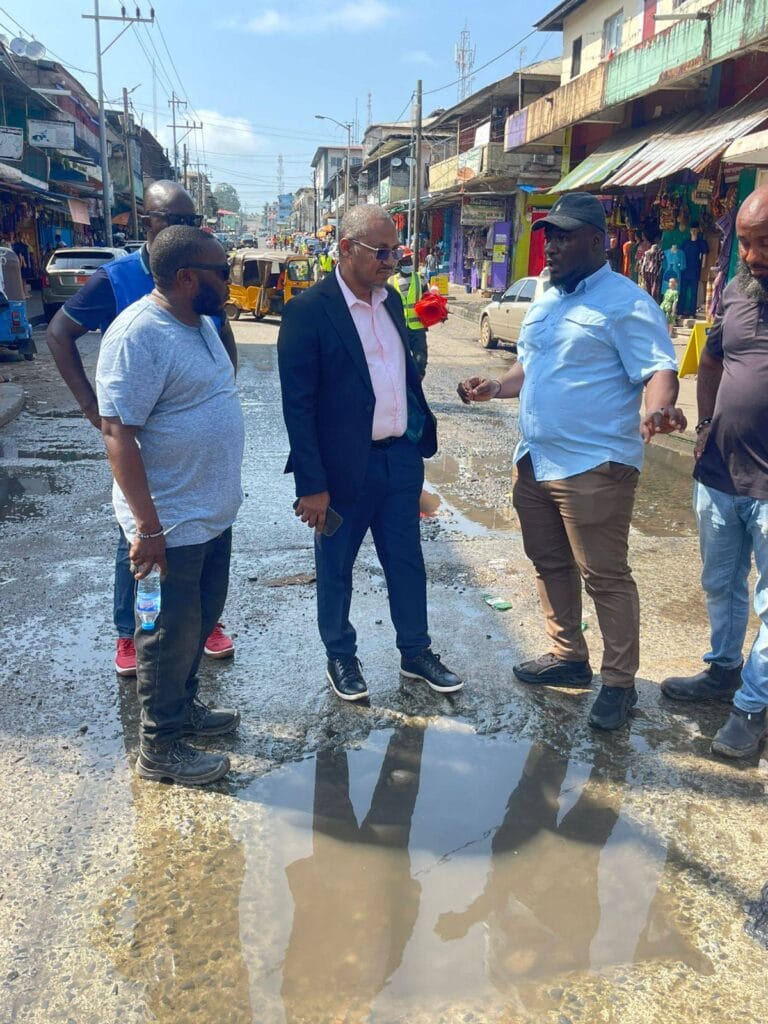
Ali disclosed that LWSC has taken control of some of Monrovia’s most problematic sewer hotspots, including Gurley Street, Benson Street, and Center Street. For years, many residents illegally diverted their sewage into public storm drains, causing persistent overflows.
“We’re disconnecting people from the public drains and reconnecting them to the sewer line,” he explained. The corporation has also demolished structures built illegally over sewer lines, blocking access for repairs.
Replacing Decades-Old Transmission Pipes
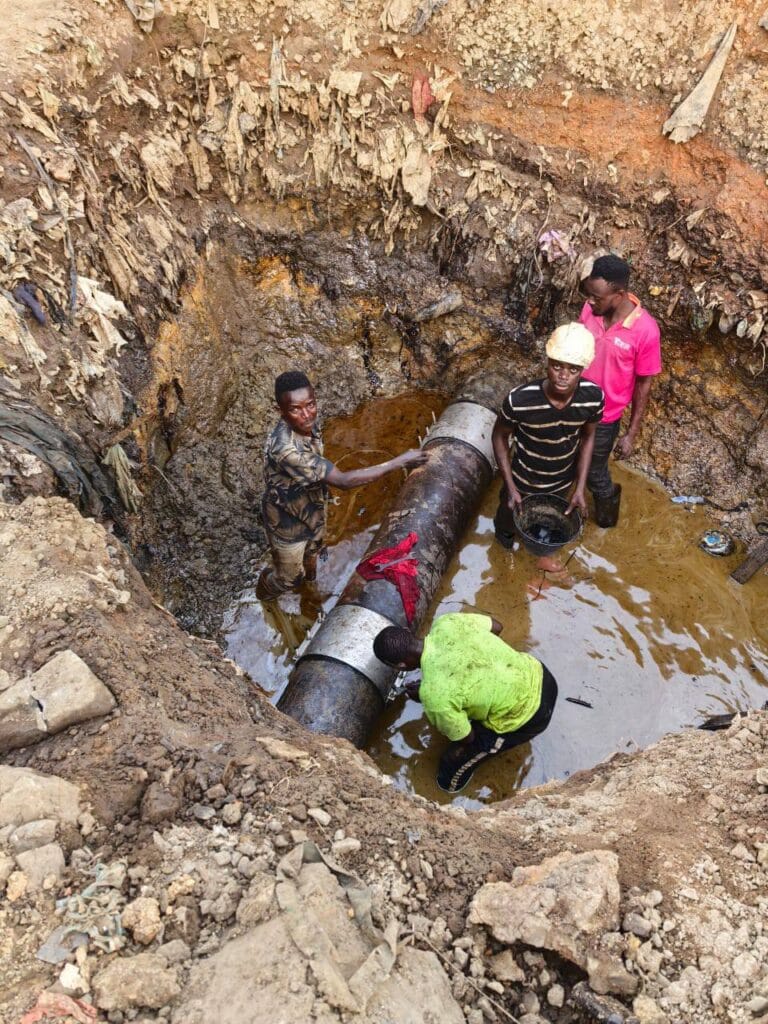
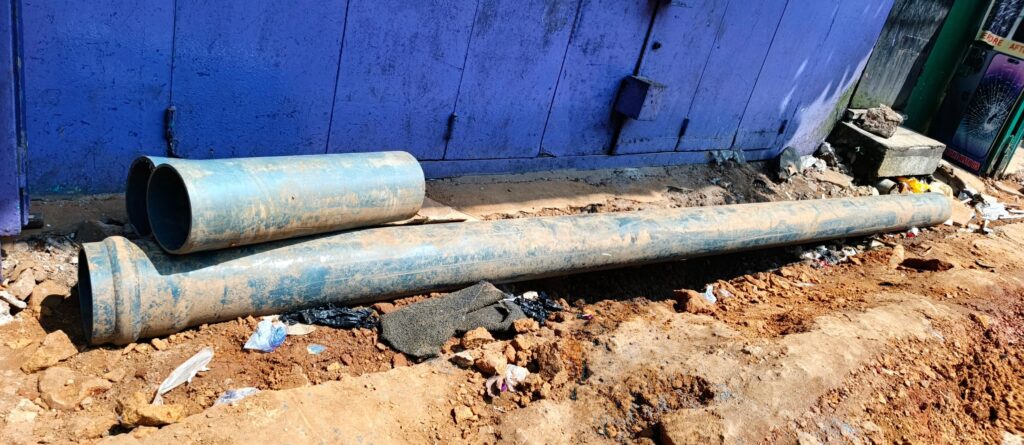
One of LWSC’s biggest challenges remains the old 36-inch transmission pipes built in 1968, meant to last 50 years but still in use. Persistent ruptures frequently disrupt water supply to Monrovia. LWSC is now replacing them in phases.
- The first 10 kilometers of new 48-inch pipes—costing US$12.4 million—will be completed by January 2026.
- Negotiations with the African Development Bank (AfDB) are progressing for the next 15.2 kilometers, estimated at US$22.2 million.
“Each kilometer costs about US$1.2 million,” Ali noted.
Once completed, the upgrades will significantly increase the volume of treated water entering Monrovia and Paynesville.
Expanding Water Supply Capacity
Ali said LWSC has increased daily water production from 5 million gallons to 6 million gallons, though the White Plains plant has a theoretical capacity of 16 million gallons. Many pumps are down, and pressure must be controlled to avoid rupturing old pipes. LWSC is also extending supply into communities that previously had no piped water.
Feasibility Studies for Other Cities
LWSC has completed feasibility studies for:
- Buchanan (US$4.4 million rehabilitation)
- Kakata (US$3.9 million rehabilitation)
- Ganta (US$10 million new system)
Senators James Biney (Pleebo), Zoe Pennue (Zwedru), and Representative Romeo Quiah (Greenville) are credited for lobbying for their respective projects. LWSC also plans studies for Barclayville, Cestos, Gbarnga, and Foya in 2026.
Partnerships With CRS, LDS, and Community Water Management
Ali revealed that LWSC is coordinating with Catholic Relief Services and the Latter-day Saints Church to construct community-managed water systems serving up to 10,000 residents. Completed systems in Robertsport, Sanniquellie, Voinjama, and others are now run by local operators trained by LWSC.
“It is almost like privatizing,” he said. “They manage the system and use revenue for maintenance.”
Sewage Sector May Be Concessioned
LWSC is seeking investors to concession the sewage sector, an area Ali says could generate revenue from user fees, methane gas, electricity, and fertilizer. Rehabilitating the entire sewer network—including treatment plants—will require at least US$85 million.
President Boakai’s Support Has Increased Sector Momentum
Ali credited President Boakai’s ARREST Agenda for the increased national attention on water and sanitation.
“When there’s a leak, people call me directly,” he said. “The President has made it clear that water supply and sanitation are his priorities.”
He added that the government’s renewed seriousness has attracted interest from AfDB, ECOWAS Bank, and other partners.
Looking Ahead to 2026 and Beyond
LWSC plans to:
- Complete all Southeastern water projects
- Continue sewer rehabilitation in Central Monrovia
- Pursue long-term financing for transmission pipe upgrades
- Expand household connections and upgrade the White Plains Water Treatment Plant
- Conduct feasibility studies for more city networks
Ali noted that connecting households will drastically reduce the high cost of domestic water consumption in Monrovia, where some families spend up to US$2,500 annually buying water. LWSC-supplied households would instead pay about US$400 per year.