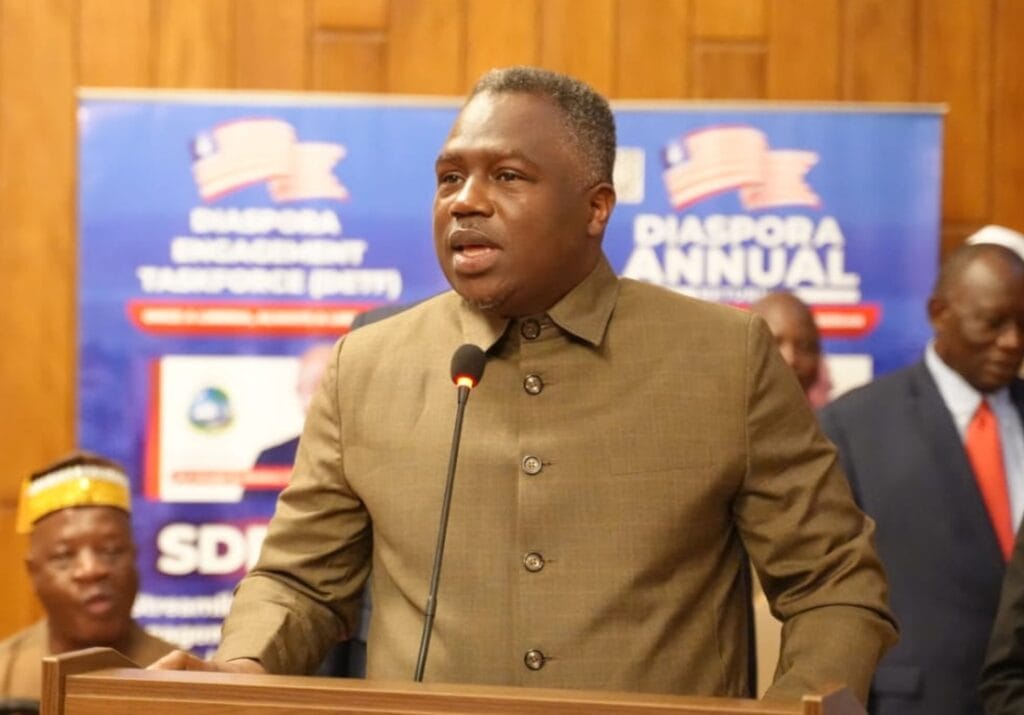
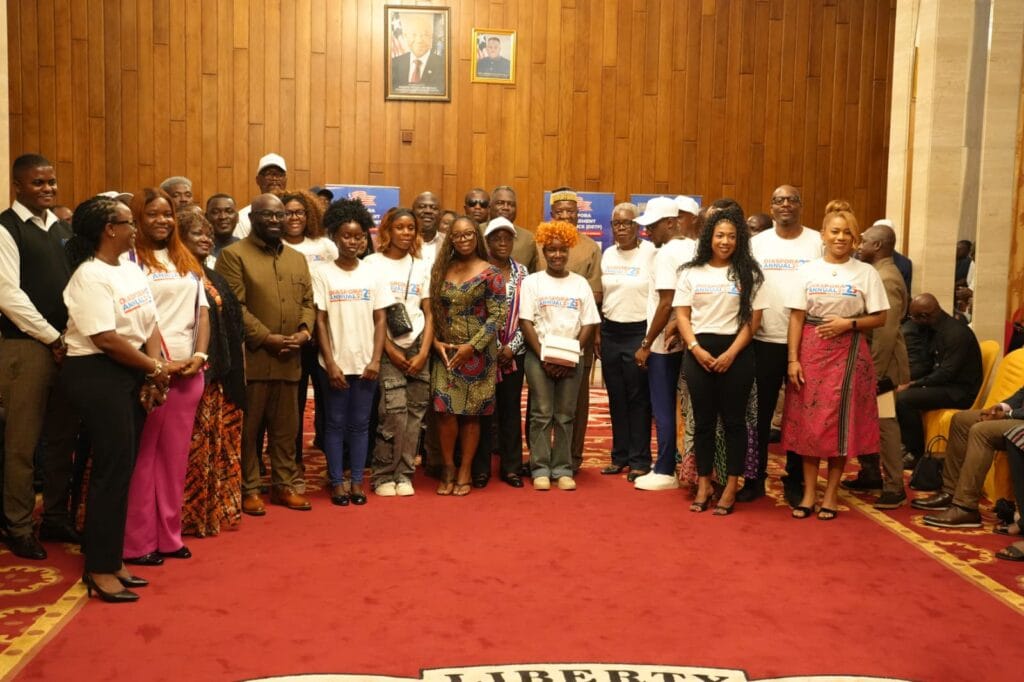
Vice President Jeremiah Kpan Koung’s message to returning Liberians last Friday, December 12, was more than a ceremonial welcome. It was a direct challenge — to the diaspora, to government institutions, and to the country’s political culture — to rethink how Liberia builds wealth, creates jobs, and sustains development.
For once, a senior Liberian official spoke plainly, practically, and persuasively about economics, not politics. His central argument was simple: Liberia’s progress will not come from government employment alone, but from private investment driven largely by Liberians themselves, especially those in the diaspora with capital, skills, and exposure.
On that point, the Vice President is absolutely correct.
From Sentiment to Strategy
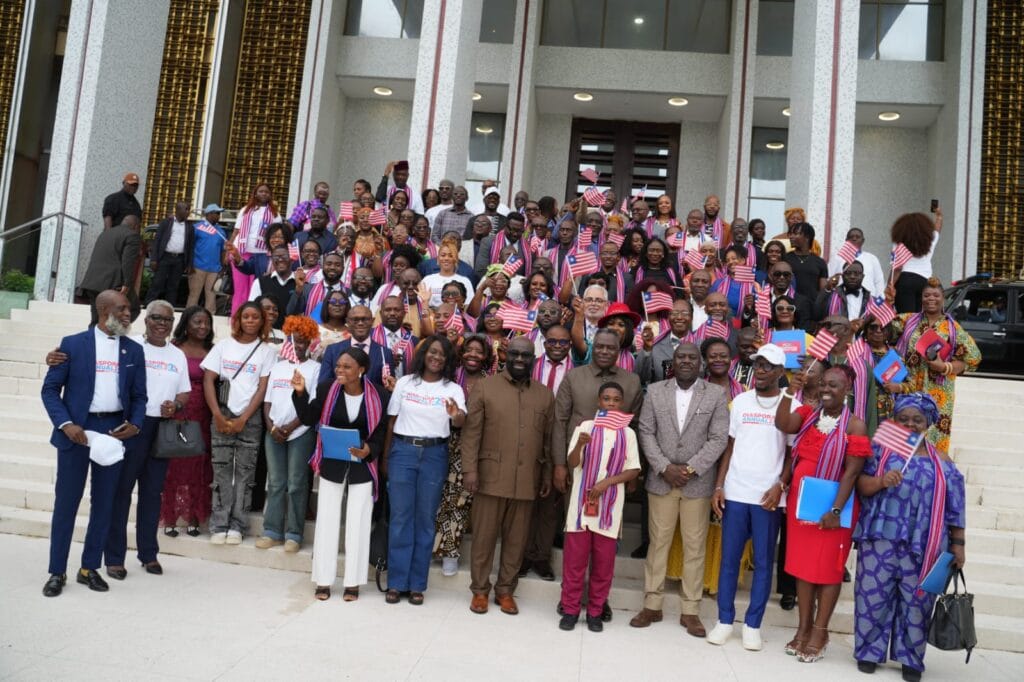
For decades, Liberia has celebrated its diaspora rhetorically while failing to integrate it structurally. Remittances keep families afloat, but remittances do not build industries. Vice President Koung’s insistence on collective investment — pooling modest contributions to unlock bank financing — offers a practical framework for moving beyond sentiment into strategy.
His arithmetic was deliberate. US$100 from 200,000 Liberians is not charity; it is capital formation. Liberia does not lack money — it lacks coordination, trust, and institutional support. Diaspora Liberians investing individually have often lost money through poor governance, family disputes, or bureaucratic bottlenecks. Collective, professionally managed ventures are the antidote.
Yet this vision cannot survive on enthusiasm alone.
Government Must Match the Pitch
If the Boakai administration wants diaspora capital, it must do more than applaud returning Liberians. It must reduce friction — land disputes, opaque licensing, slow courts, and regulatory unpredictability. No serious investor, diaspora or foreign, will commit capital where contracts are weak and enforcement uncertain.
Vice President Koung hinted at this reality when he urged investors to use formal structures and banks. That advice is sound, but government must ensure those structures work. Otherwise, confidence will evaporate as quickly as it forms.
The Private Sector Message Matters
Perhaps the Vice President’s most refreshing point was his candor about government jobs. For too long, Liberia has treated public employment as the pinnacle of success. Koung’s reminder — that private enterprise offers freedom, scalability, and sustainability — is overdue.
A country cannot develop when its brightest minds queue for government desks. Liberia’s future depends on entrepreneurs, builders, and risk-takers, not just administrators.
A Cultural Shift Is Required
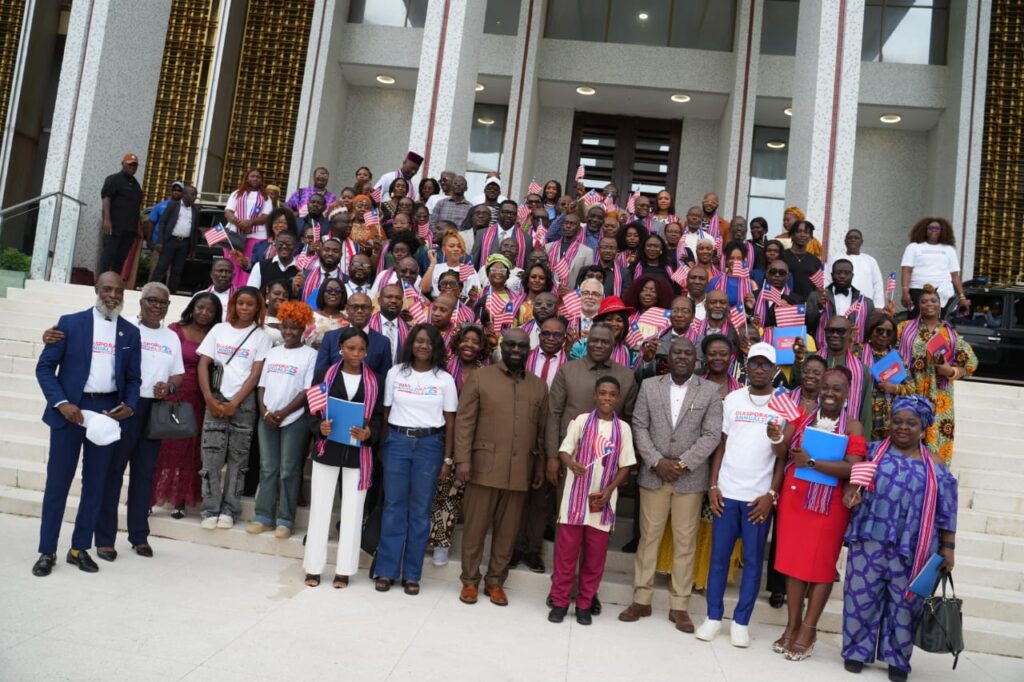
Koung’s remarks resonated because they spoke to a deeper truth: development is as much cultural as it is financial. Liberians abroad must stop seeing home only as a place to visit or retire. Liberians at home must stop viewing diaspora returnees with suspicion. And government must stop treating diaspora engagement as an annual event rather than a continuous policy.
The Test Begins Now
The Vice President has laid out a compelling vision. But editorials have praised visions before — and watched them fade.
The real test is whether this administration will:
- Create a credible diaspora investment framework,
- Protect investors through stronger institutions,
- And treat private capital as a partner, not a target.
Vice President Koung is right: Liberia’s future can be built by Liberians — at home and abroad — working together.
But vision without execution is rhetoric. The diaspora has heard the call.
Now the government must prove it is ready to walk the same road.