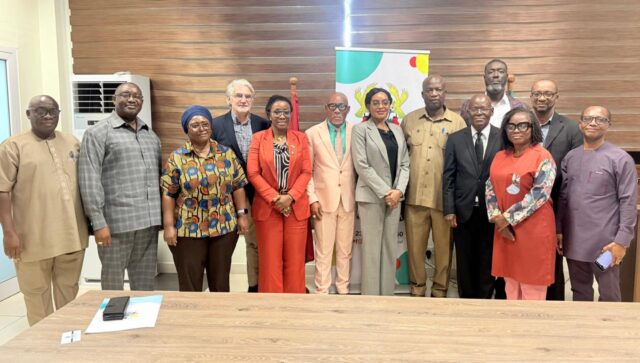
ACCRA, Ghana — The National Elections Commission of Liberia (NEC) is considering the introduction of early voting for security personnel, journalists, election workers, and domestic observers, following a study tour to Ghana that highlighted the benefits of allowing essential election-day professionals to vote ahead of time.
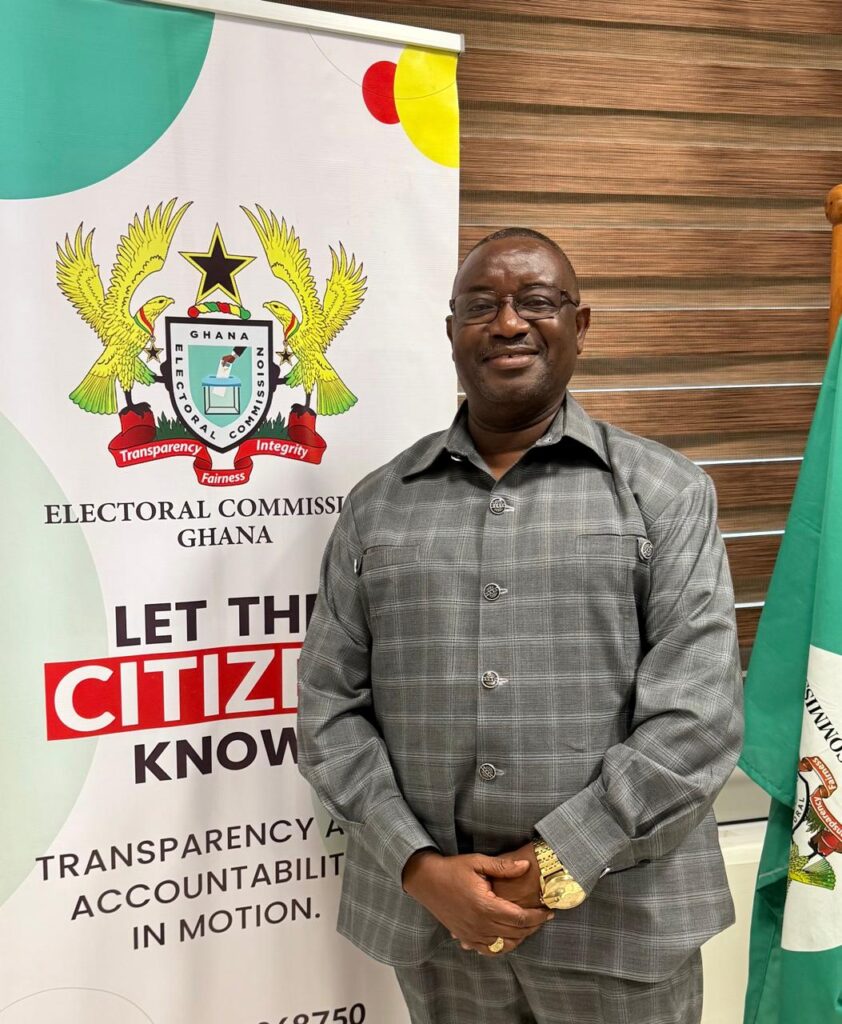
The proposal was disclosed by NEC Executive Director and Head of Secretariat, Mr. Anthony K. Sengbe, after a nine-member Liberian delegation concluded a strategic study visit to the Republic of Ghana, where early voting has become a core feature of the country’s electoral system.
According to Mr. Sengbe, Ghana permits professionals whose duties require them to work on election day to cast their ballots one week before the general election, ensuring they are not disenfranchised by their public service obligations.
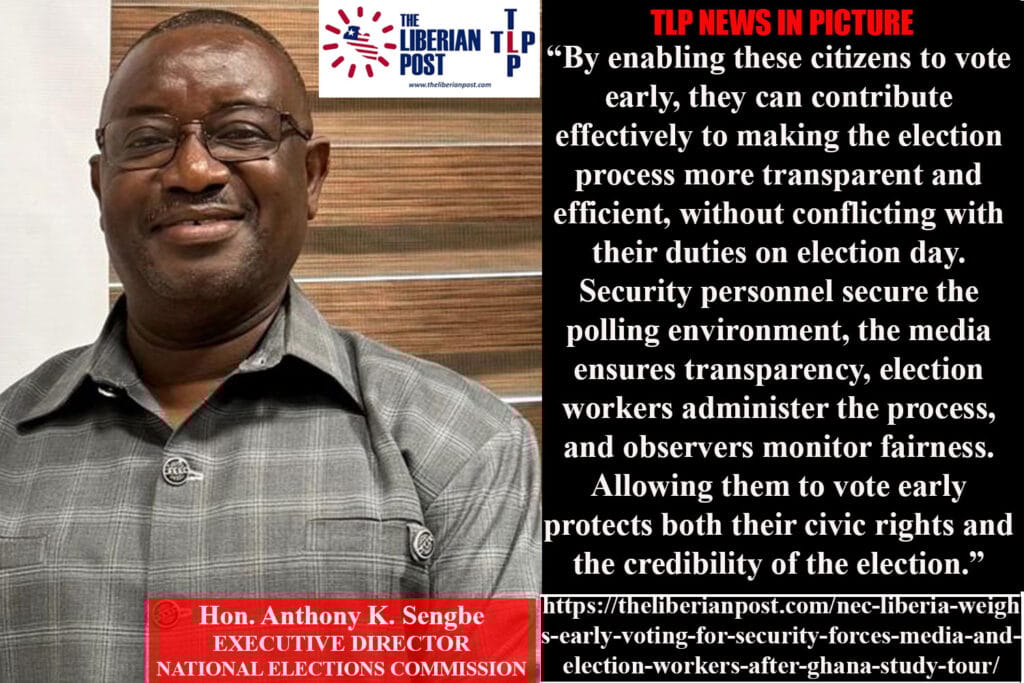
“By enabling these citizens to vote early, they can contribute effectively to making the election process more transparent and efficient, without conflicting with their duties on election day,” Mr. Sengbe said upon his return to Monrovia.
Protecting the Integrity of Election Day
Mr. Sengbe explained that security officers, journalists, electoral staff, and observers play indispensable roles in safeguarding the integrity of elections, yet are often unable to vote on polling day due to professional responsibilities. Early voting, he said, resolves this conflict by preserving their voting rights while strengthening election management.
“Security personnel secure the polling environment, the media ensures transparency, election workers administer the process, and observers monitor fairness,” he noted. “Allowing them to vote early protects both their civic rights and the credibility of the election.”
Lessons from Ghana’s Electoral System
The Ghana study tour focused on electoral reforms and boundary delimitation, but early voting emerged as one of the most practical reforms Liberia could adopt in the near term. The delegation observed that Ghana’s early voting system has improved participation among essential workers while reducing logistical pressures on election day.
In addition to early voting, the NEC delegation also examined Ghana’s Absentee or Proxy Voting framework, which allows eligible voters unable to vote in person—due to illness, disability, work assignments, education, personal reasons, or residence abroad—to authorize another registered voter to vote on their behalf.
Under Ghanaian law, a proxy may vote for only one individual per election, and once appointed, the original voter forfeits the right to vote in person. Proxy appointments can be cancelled before election day through formal notification to the Electoral Commission.
Mr. Sengbe said a similar system could enhance participation among Liberians living abroad and citizens facing legitimate barriers to in-person voting.
Aligning Liberia with Regional Best Practices
The study tour, supported by UNDP-Liberia, was undertaken to help Liberia align its electoral framework with proven regional best practices. By studying Ghana’s experience firsthand, NEC officials aim to identify reforms that can strengthen voter confidence, expand participation, and address longstanding operational challenges.
Mr. Sengbe emphasized that while any reforms would require legal review and stakeholder consultations, early voting for essential election-day professionals represents a realistic starting point for modernizing Liberia’s electoral process.
Delegation Composition
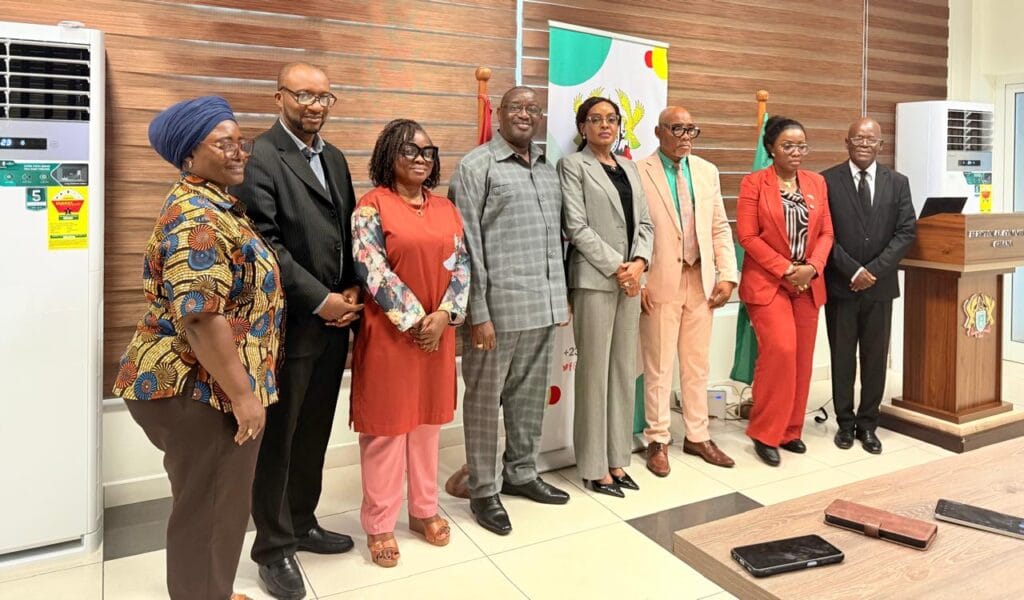
The delegation included officials from the National Elections Commission, the Legislature, the Law Reform Commission, and UNDP-Liberia.
NEC Members:
- Cllr. Ernestine Morgan-Awar, Commissioner
- Mr. Anthony K. Sengbe, Executive Director & Head of Secretariat
- Cllr. Alvin Teage Jalloh, Senior Legal Counsel
- Madam Emma K. Togba, Deputy Executive Director for Operations
- Madam Deddeh M. Pusah, Director of Field Coordination
Other Institutions:
- Representative Thomas Romeo Quioh, Chairman, House Committee on Elections & Inauguration
- Representative Ellen Attoh-Wreh, Chairperson, Women Legislative Caucus
- Cllr. Ramese T. Kumbuyah, Executive Director, Law Reform Commission
Mr. Zage Filiposki, Capacity Strengthening Specialist, UNDP-Liberia