MONROVIA, Liberia — A landmark health partnership between the Liberian government and the United States has generated both celebration and controversy, with senior government officials defending the agreement and critics questioning its implications for national data privacy.
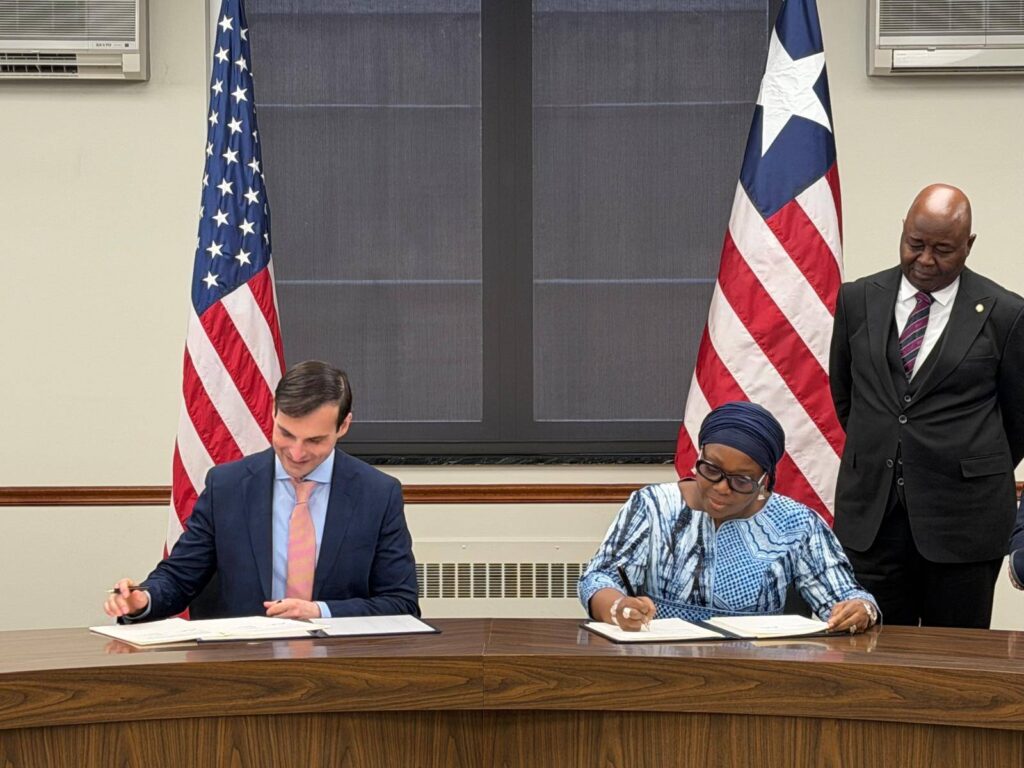
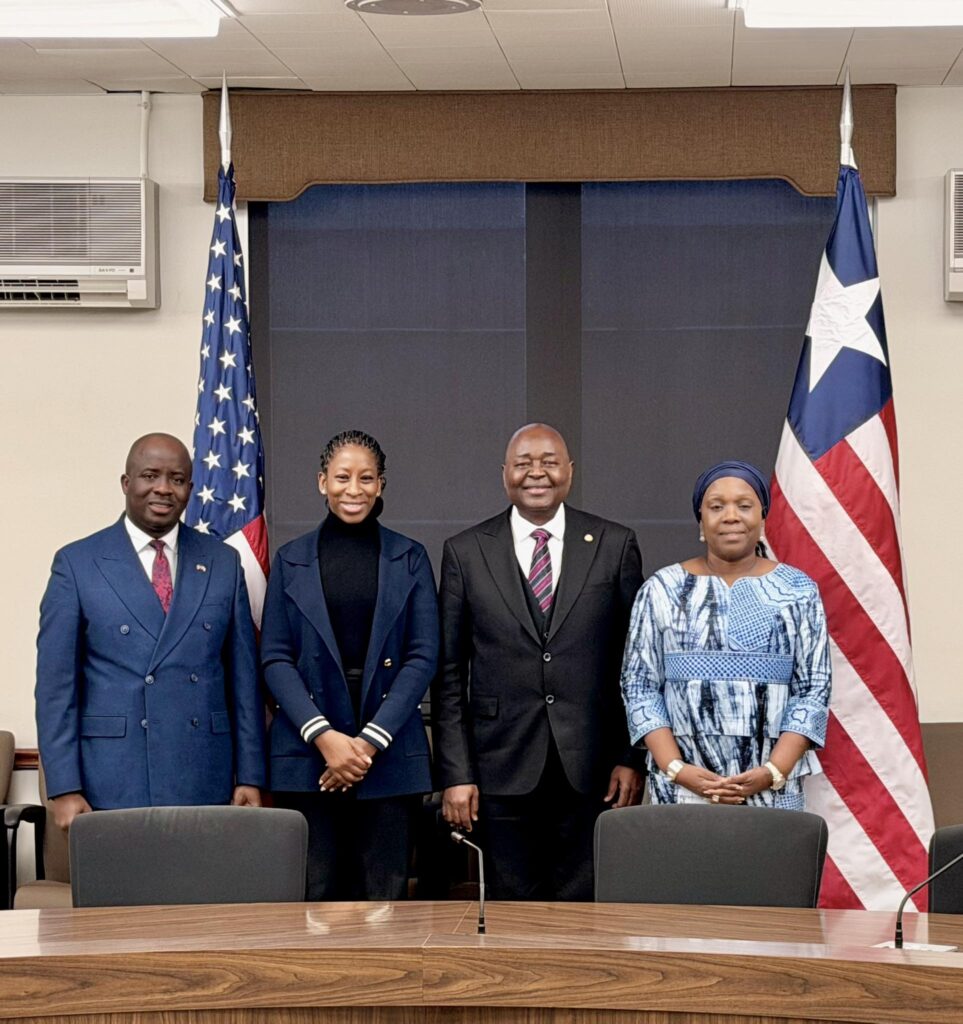
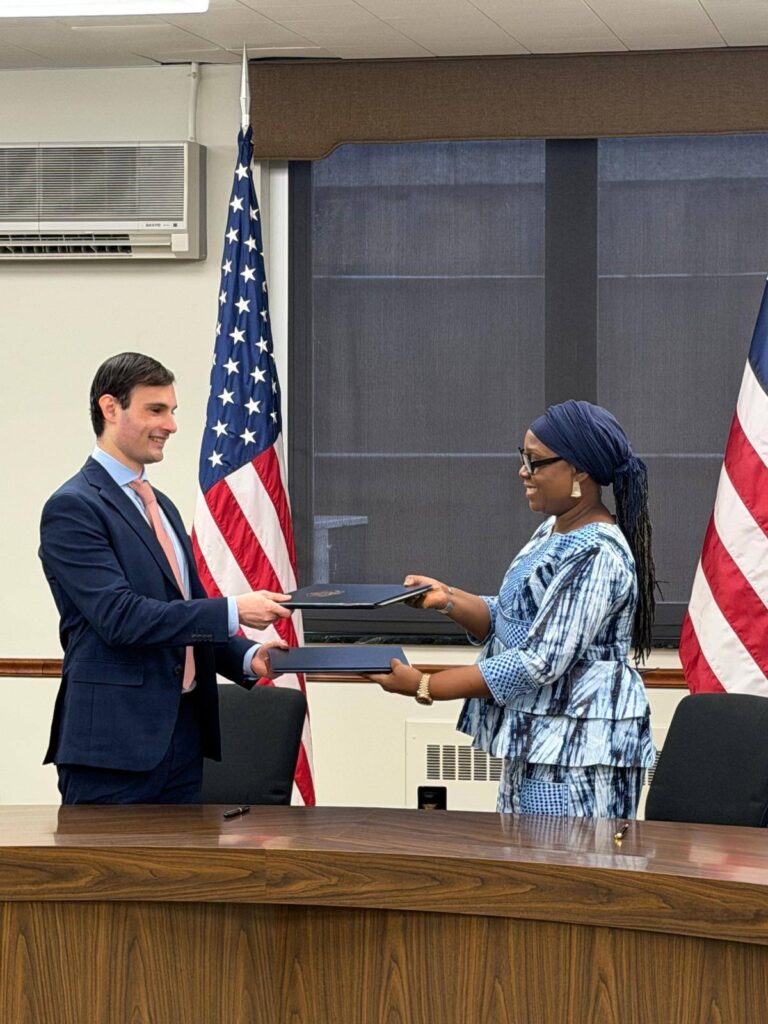
On December 9, 2025 in Washington, D.C., Liberia became the first country in West Africa and only the third in Africa to sign a health cooperation Memorandum of Understanding (MOU) with the United States Government, valued at US$124,418,400 over five years. The agreement — signed by Liberia’s Minister of Foreign Affairs Sara Beysolow Nyanti and U.S. State Department Under Secretary Jeremy P. Lewin — aims to strengthen Liberia’s health system, disease surveillance, rapid outbreak response, laboratory capacity, and frontline health workforce.
Speaking at the signing ceremony, Under Secretary Lewin described the agreement as a symbol of deepening bilateral relations, noting both nations’ shared commitment to health security, disease response, and long-term system resilience. Minister Nyanti, representing President Joseph Nyuma Boakai, expressed deep appreciation for the partnership and acknowledged the Ministry of Health’s technical role in crafting the MOU.
What the Agreement Covers
According to the Foreign Ministry, the five-year health cooperation framework includes:
- Expanded disease surveillance and outbreak response;
- Strengthened national and regional laboratory systems;
- Modernization of the supply chain for essential medicines;
- Deployment and scale-up of trained healthcare workers;
- Development of integrated digital health information systems; and
- Strategic investments in maternal, child, and infectious disease services.
Officials say the partnership comes at a crucial time as Liberia continues to rebuild its public health infrastructure and enhance the resilience of its health sector following past emergencies.
Criticism Rises on Social Media and Beyond
Despite high-level backing, the agreement has provoked public concern, especially regarding data privacy. Martin K. N. Kollie, a noted activist and social commentator, posted on Facebook that a “29-page U.S.-Liberia $125 million MOU just got leaked.” In his post, Kollie cited what he described as “Section 4.1: ‘To this end, Liberia commits to provide the U.S. Gov’t with any data access,’” warning the government to address the matter immediately or risk publication of the document.
Kollie’s post reflects broader skepticism among some Liberians about the terms of the agreement, particularly whether personal health data might be shared with foreign authorities without adequate safeguards.
Health Ministry Responds: Aggregate Data, Not Personal Records
In a detailed response, Counselor Tomak L. J. Vobak, legal counsel at the Ministry of Health, pushed back on the criticisms and clarified that the agreement does not cover personal medical records. Vobak explained that the data the U.S. Government will access are aggregate, auditable health indicators — such as numbers of under-five malaria deaths, antenatal care visits, facility births, and measles cases — which are routinely shared with development partners like the World Health Organization (WHO), Africa CDC, and USAID.
Vobak likened the data-sharing provisions to standard monitoring conditions in grant agreements, such as those Liberia maintains with the Global Fund and GAVI, and emphasized that the Ministry was “very cognizant of the right to privacy clause of the 1986 Constitution” during negotiations. He noted that such aggregate reporting is necessary to track progress toward agreed health outcomes, arguing that donors need auditable data to ensure value for money.
Public Debate Reflects Broader Concerns
Liberians on social media and in civil society circles have expressed mixed reactions. Some welcome the potential for strengthened health systems and resources that could support epidemic response and improve access to services. Others, however, question the transparency of the agreement and fear that data sovereignty and personal privacy could be compromised.
The debate mirrors similar controversies in other African countries where international health partnerships have raised data privacy issues. For example, a Kenyan health cooperation pact with the U.S. was recently suspended by court order amid data privacy concerns, highlighting how health data agreements are increasingly subject to legal and public scrutiny.
Government, Partners Maintain Transparency and Shared Goals
Government and diplomatic sources maintain that the MOU is a standard cooperation framework, not a binding treaty, and that transparency and compliance with Liberian law guided the negotiation process. Liberian officials have assured the public that the agreement supports national priorities and that any data shared will align with existing norms in international health collaboration.
As the public debate continues, observers note the importance of balanced discourse — one that recognizes both the need to protect citizens’ rights and the technical requirements of monitoring progress in health programs supported by external partners.
Contextual Note Liberia’s signing of the US$124 million MOU positions the country as a regional leader in health cooperation, following similar agreements with Kenya and Rwanda, and underscores the longstanding historical relationship between Liberia and the United States dating back to the 19th century.