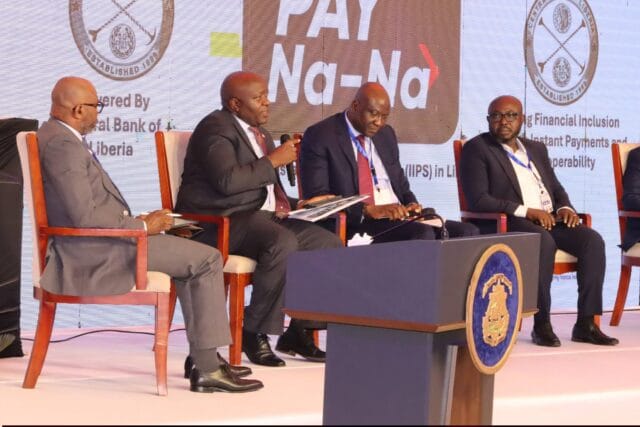
MONROVIA, Liberia – Finance and Development Planning Minister Augustine Kpehe Ngafuan has described Liberia’s new Inclusive Instant Payment System (Pay Na-Na) as a cornerstone of the government’s strategy to expand domestic revenue, reduce informality, and strengthen economic governance.
Speaking at the national launch, Ngafuan said the platform directly addresses one of Liberia’s most persistent development challenges—limited access to finance and widespread economic informality—by drawing millions of Liberians into the formal financial system.
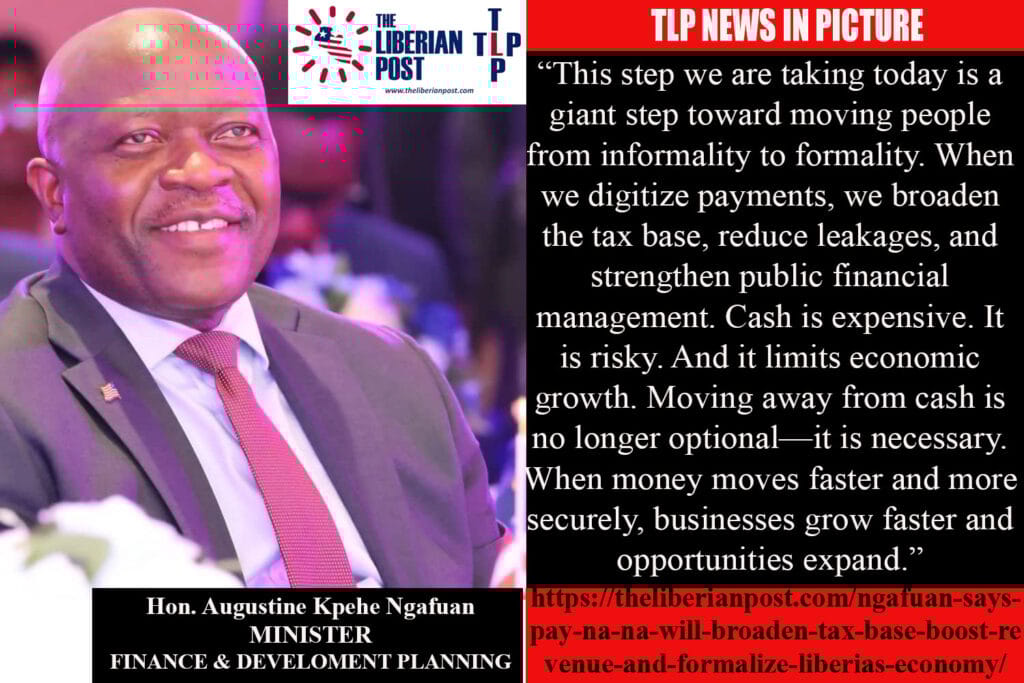
“This step we are taking today is a giant step toward moving people from informality to formality,” Ngafuan said. “It improves efficiency, deepens inclusion, and strengthens revenue collection.”
Ngafuan explained that Liberia’s heavy reliance on cash has historically constrained government revenue mobilization and economic planning. Digital payments, he said, make it easier for citizens and businesses to comply with tax obligations while reducing transaction costs and leakages.
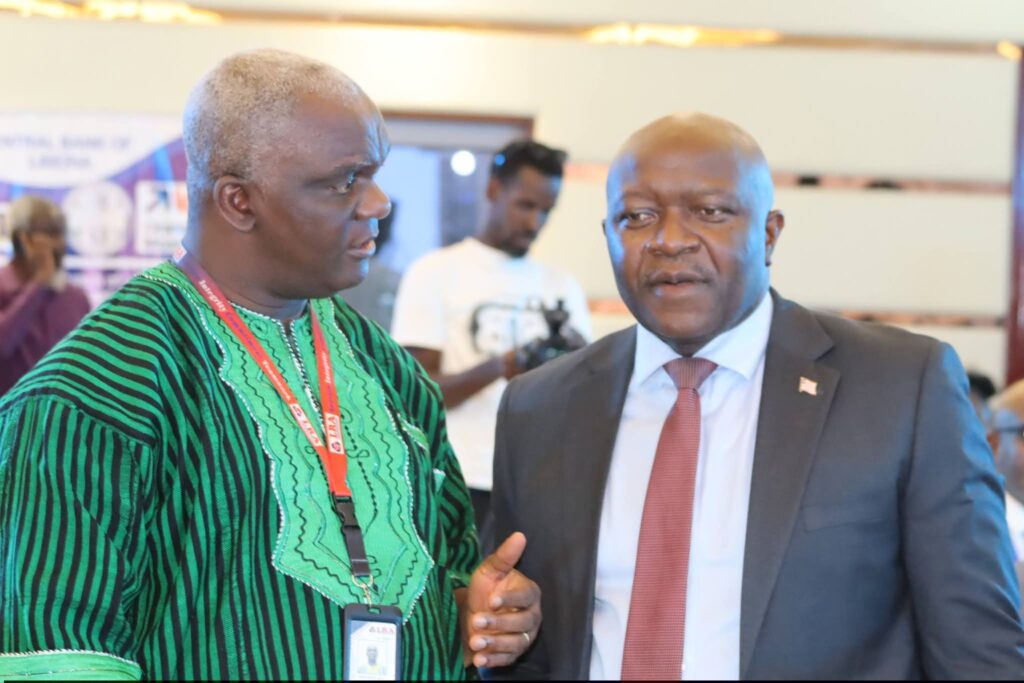
“We are digitizing the economy,” he stated. “That makes compliance easier, improves transparency, and broadens the tax base.”
The Finance Minister linked the initiative directly to the government’s confidence in sustaining its US$1.2 billion national budget, noting that improved digital payment systems are essential for efficient public financial management.
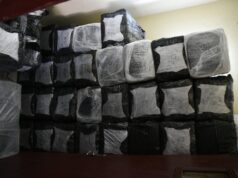
Drawing on his experience as a former Central Bank official, Ngafuan highlighted the security and logistical risks associated with a cash-based economy, including the cost of transporting physical currency and the vulnerability of individuals and businesses to theft.
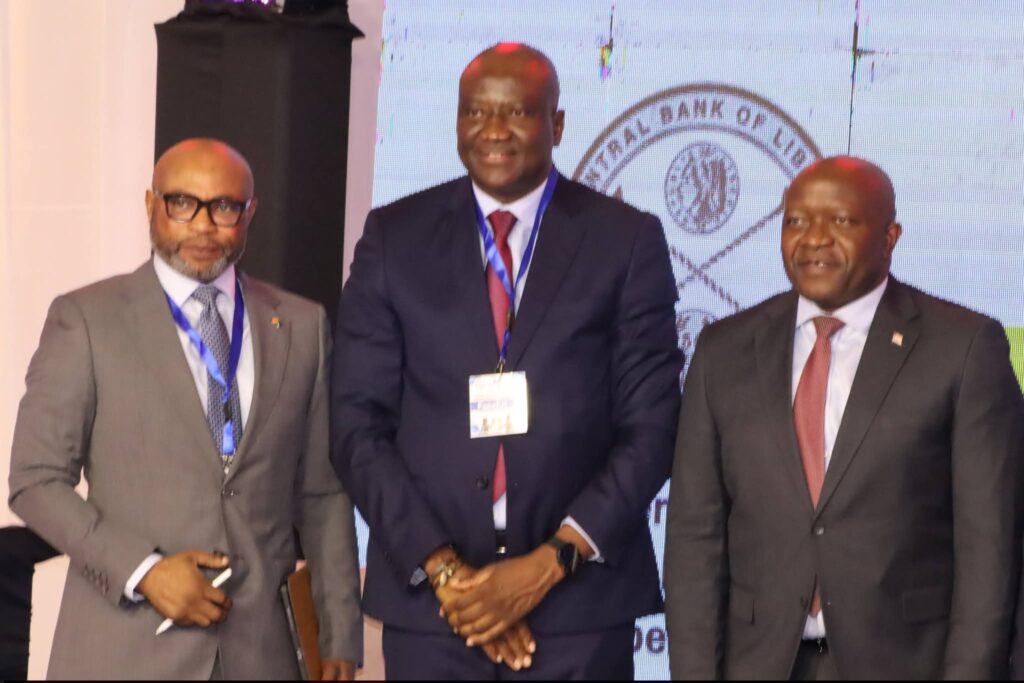
“For banks, for businesses, and for ordinary citizens, cash is expensive and risky,” he said. “Moving toward a cash-lite economy is not optional—it is necessary.”
Ngafuan acknowledged that Pay Na-Na will not solve all of Liberia’s economic challenges but described it as one of the most impactful reforms undertaken in recent years.
“This action today does not solve every problem,” he said. “But it is one of the biggest steps toward a cashless society.”
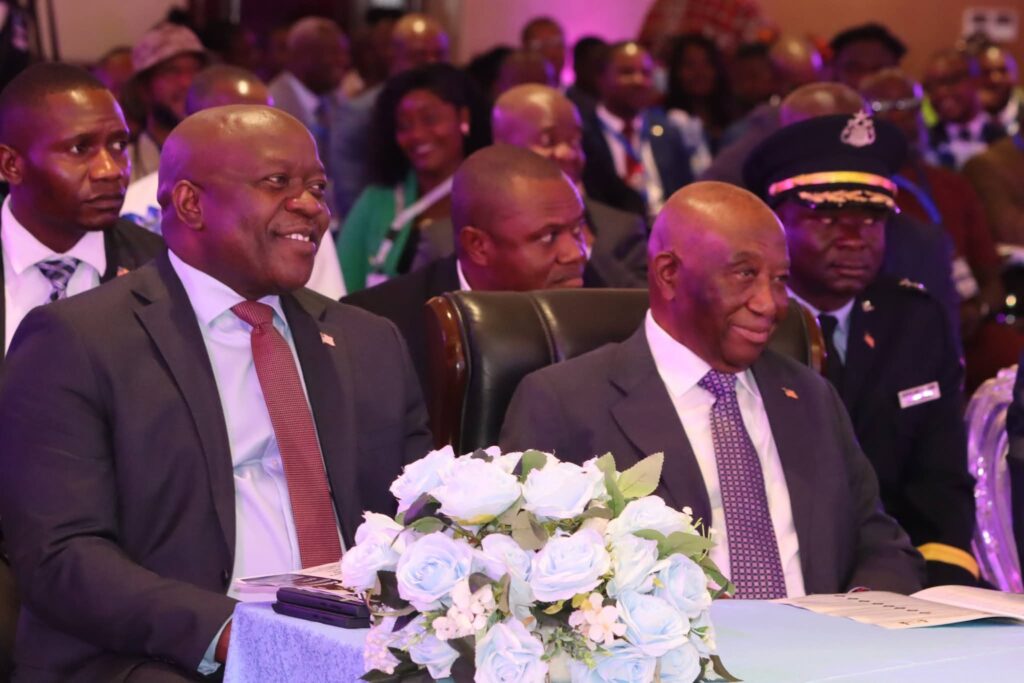
He praised the collaboration between the Ministry of Finance and the Central Bank, describing them as “two sides of the same coin” working toward a shared goal of macroeconomic stability and inclusive growth.
The Minister also underscored the importance of digital payments for job creation, explaining that a more efficient financial system lowers barriers for entrepreneurs, small businesses, and startups.
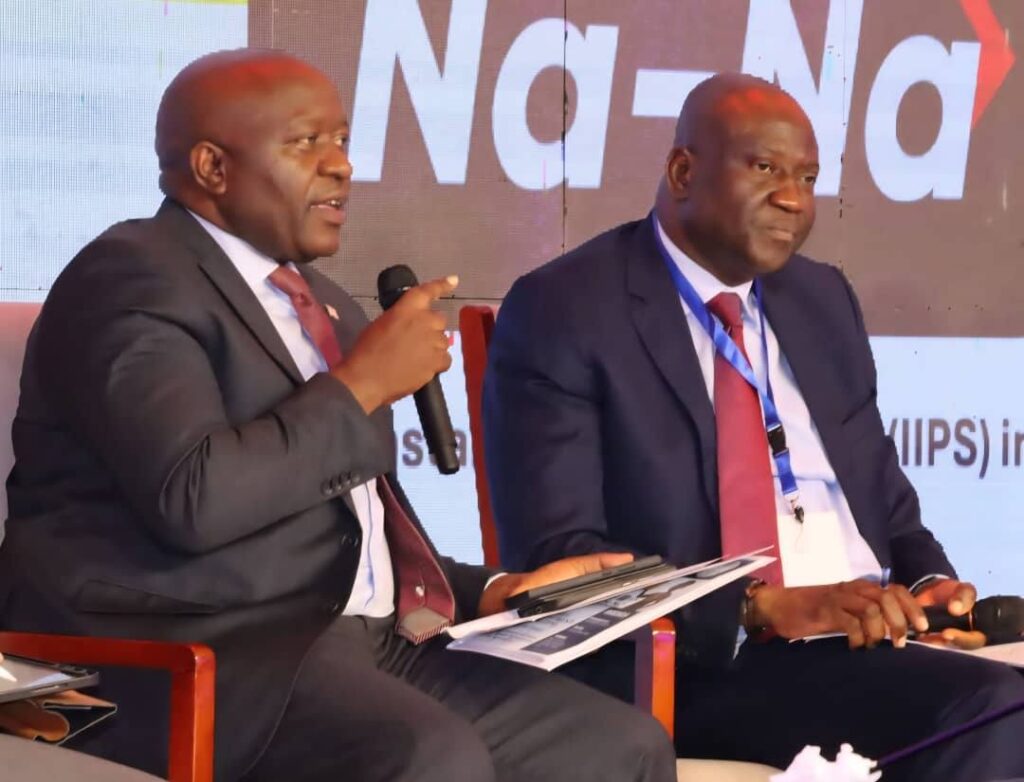
“When money moves faster and more securely, business grows faster,” Ngafuan said.
He reaffirmed the government’s commitment to investing in digital infrastructure and supporting policies that encourage innovation while protecting consumers.
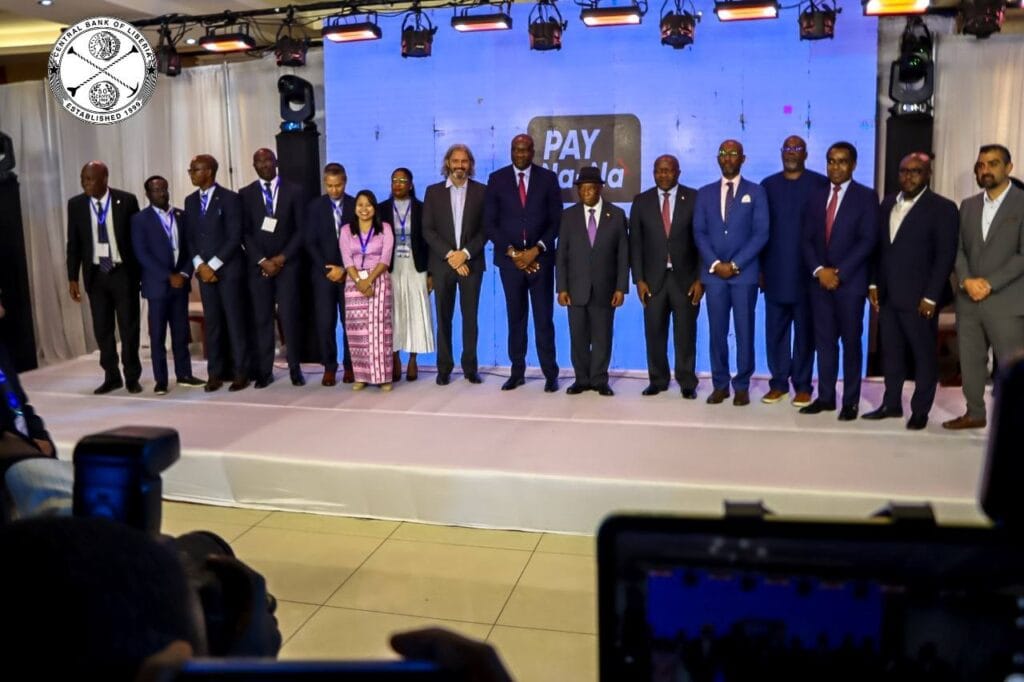
“Our responsibility is to ensure that this system works for market women, farmers, students, and small businesses—not just for institutions,” he said.
Ngafuan concluded by urging Liberians to embrace the new platform, stressing that public participation is critical to achieving the system’s full economic benefits.