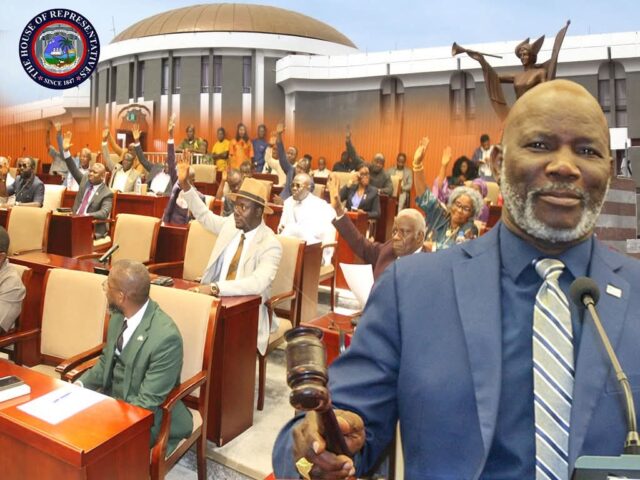
MONROVIA, Liberia — Liberia’s Legislature has ratified a series of offshore petroleum contracts between the Liberia Petroleum Regulatory Authority (LPRA) and international oil companies, including Oranto Petroleum Liberia Limited, marking the country’s most significant step in more than a decade toward restarting offshore oil and gas exploration.
In a statement issued Thursday, December 18, the LPRA confirmed that lawmakers approved contracts covering offshore blocks LB-15, LB-16, LB-22, and LB-24 with Oranto Petroleum Liberia Limited, alongside additional blocks awarded to TotalEnergies EP Liberia. The Authority described the ratification as a major milestone in Liberia’s long-stalled efforts to re-enter the offshore exploration space.
According to the LPRA, the contracts are the direct outcome of President Joseph Nyuma Boakai’s 2024 invitation to global energy firms, in which the administration pledged to restore confidence in Liberia’s extractive sector through transparency, rule of law, and strict contract enforcement.

Financial Gains Secured Before Any Discovery
The LPRA disclosed that, even before any commercial discovery, Liberia has secured US$27 million in signature bonuses, more than US$14.6 million in surface rental payments, and additional annual contributions earmarked for training, social programs, customs, and hydrocarbon sector development.
“These contracts help Liberia explore for and hopefully find oil,” the Authority said, noting that the financial inflows come at a time when the government is under pressure to diversify revenue sources and reduce dependence on aid and commodity exports.
Oversight Pledged Amid Public Doubts
While welcoming legislative approval, the LPRA acknowledged persistent public skepticism—particularly surrounding Oranto Petroleum, whose operations in Liberia and elsewhere in Africa have often drawn scrutiny from civil society groups and political commentators.
Since news of the Oranto partnership first emerged earlier this year, critics have questioned the company’s technical capacity, financing strength, and track record of delivering timely exploration results, citing Liberia’s history of stalled offshore contracts and unmet exploration timelines.
Others have raised broader governance concerns, warning that Liberia’s petroleum sector has, in the past, suffered from weak enforcement, opaque negotiations, and unrealistic public expectations tied to oil discoveries that never materialized.
In response, the LPRA stressed that ratification does not amount to a blank check.
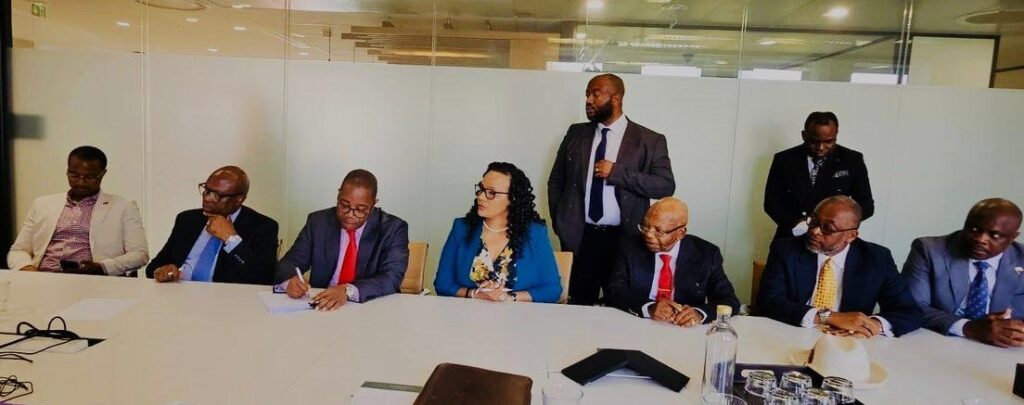
“The LPRA reaffirms confidence in the capacity of both TotalEnergies and Oranto to execute their respective work programs,” the Authority said, adding that this confidence “will be matched with oversight”.
Commitment to Enforcement and Performance Guarantees
The Authority assured Liberians that it will strictly enforce all contractual obligations, including work commitments and performance guarantees, while providing regulatory support only “within the bounds of the law.”
This assurance appears aimed at addressing public fears that exploration licenses could once again remain dormant, as occurred under previous administrations when offshore blocks were held for years without meaningful activity.
Energy analysts note that Liberia’s offshore sector has been largely inactive since the early 2010s, despite global interest following discoveries in neighboring countries. Several earlier contracts expired without drilling, contributing to public mistrust around new petroleum deals.
Government-Wide Coordination
The LPRA credited multiple government institutions for supporting the licensing process from bid rounds through ratification, including the Ministry of Justice, Ministry of Finance and Development Planning, Ministry of Mines and Energy, the National Oil Company of Liberia (NOCAL), and the Special Presidential Committee on Oil and Gas.
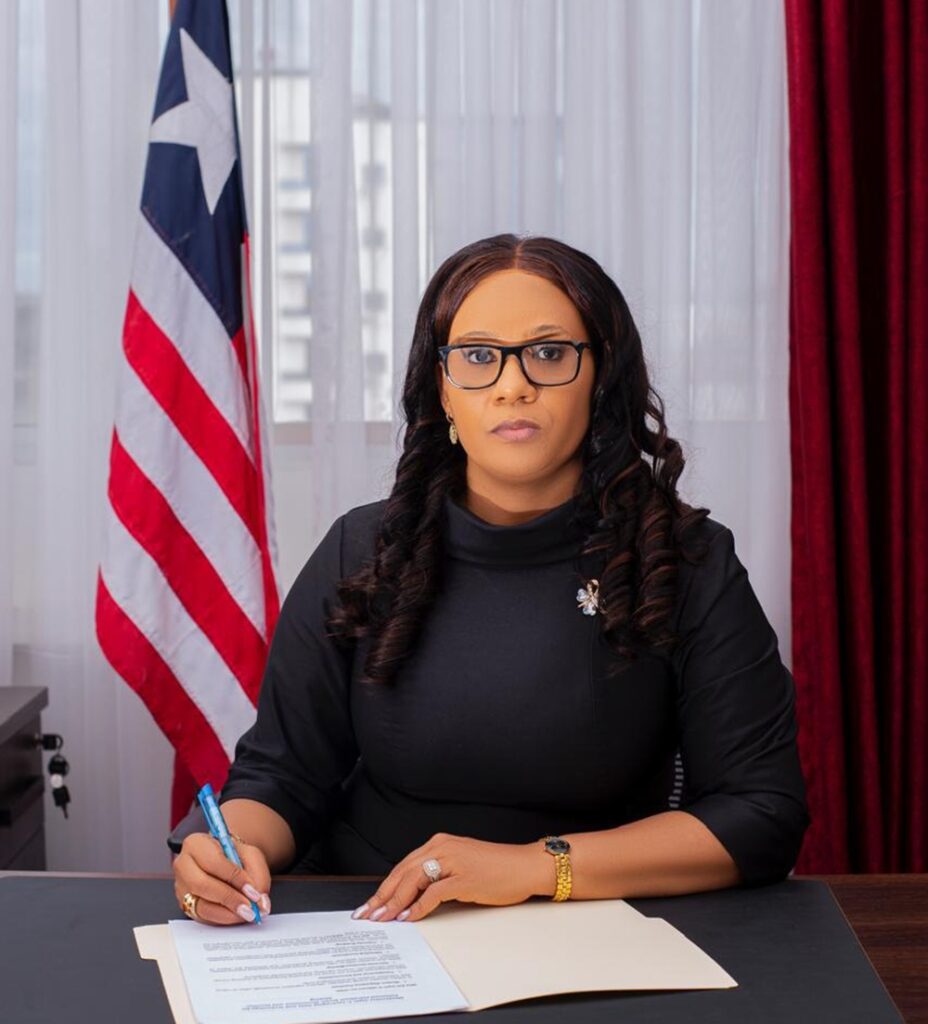
Officials say this inter-agency collaboration reflects a deliberate effort by the Boakai administration to avoid the institutional fragmentation that plagued past petroleum initiatives.
A High-Stakes Restart
With ratification complete, attention now shifts to whether Oranto and its partners can deliver on exploration timelines, mobilize financing, and meet regulatory expectations in an environment of heightened public scrutiny.
The LPRA says it will continue engaging stakeholders while seeking to attract additional operators to Liberia’s offshore basin and lay the groundwork for potential discoveries and long-term economic benefits.
For now, the ratified contracts represent both renewed opportunity and renewed risk—reviving hopes of offshore oil while reopening old debates about transparency, accountability, and whether Liberia’s petroleum promise can finally translate into tangible national gains.