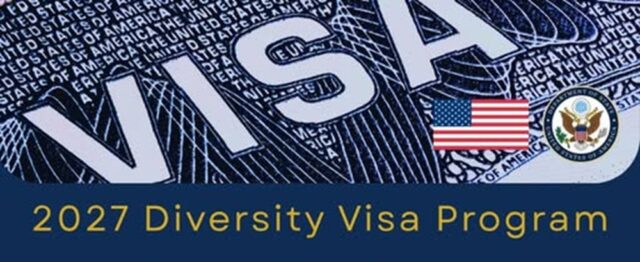
MONROVIA, Liberia – For years, the U.S. Diversity Visa (DV) program has been more than a lottery to thousands of Liberians and Africans across the continent. It has been a symbol of possibility—an annual moment when hope briefly outweighs hardship, and when an ordinary passport could become a legal pathway to a new life.
Now, with the program suspended, those hopes are once again on hold.
The suspension of the U.S. Diversity Visa lottery program was announced this week by U.S. authorities following a mass shooting at Brown University in Providence, Rhode Island, and a related killing of a Massachusetts Institute of Technology professor. US President Donald Trump directed the pause after Homeland Security Secretary Kristi Noem said the suspect in the shootings—Portuguese national Claudio Manuel Neves Valente—had been granted permanent residency through the DV lottery after entering the United States in 2017. Noem called the decision a necessary response “to ensure no more Americans are harmed,” a move that has revived fierce debate over immigration policy, legal immigration pathways, and national security.
Across Liberia, from Monrovia’s crowded neighborhoods to quiet rural towns, thousands who had pinned their aspirations on the DV program are grappling with disappointment, uncertainty, and questions about what comes next. For many, the DV lottery represented one of the few legal and affordable avenues to migrate to the United States, especially for people without wealth, political connections, or family sponsorship.
“I have been applying every year since 2012,” said a 34-year-old schoolteacher in Paynesville who asked not to be named. “I never won, but at least I had hope. Now even that hope is gone.”
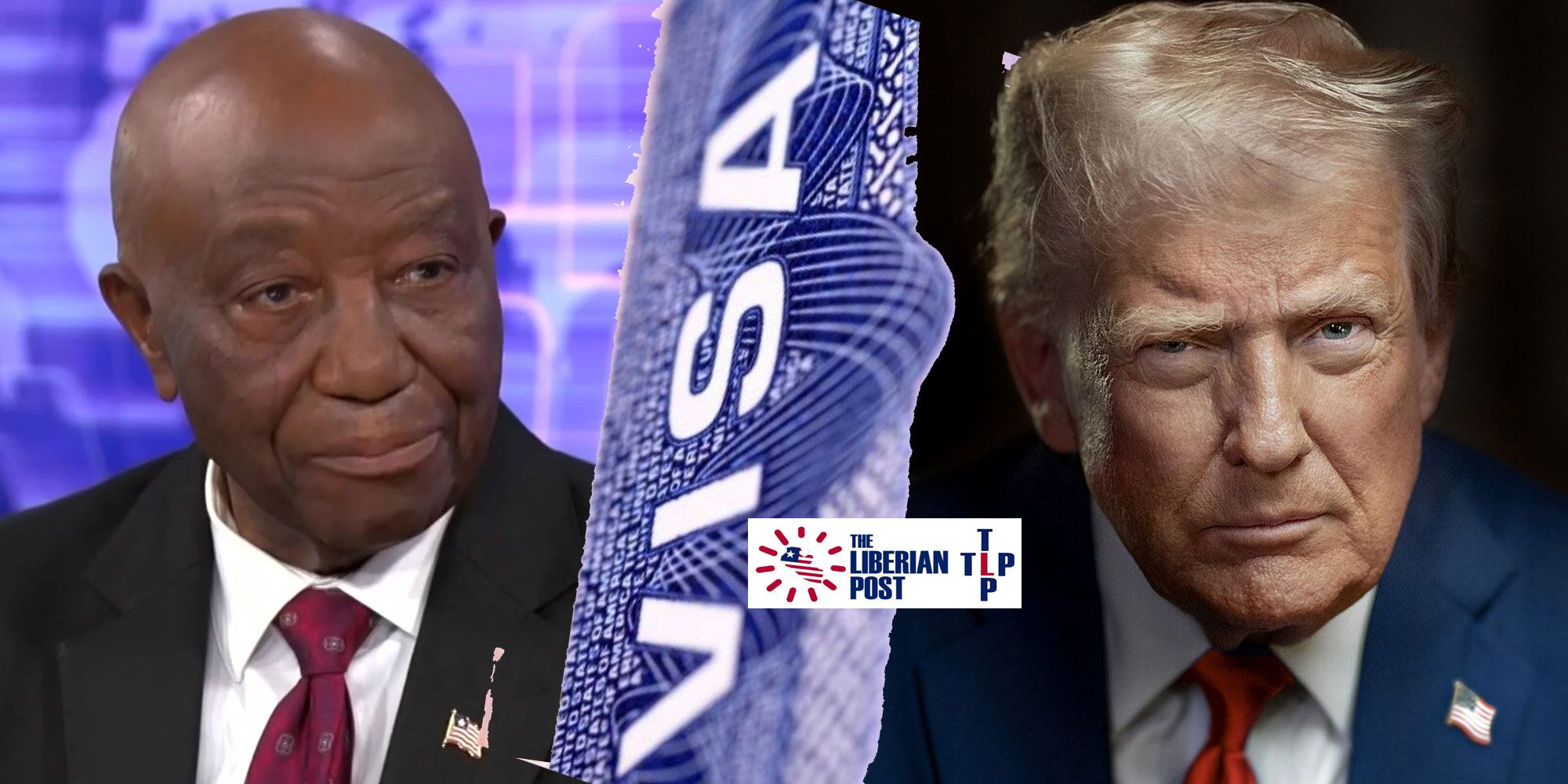
A Program Built on Opportunity
Established in 1990, the Diversity Visa program was designed to promote immigration from countries with historically low rates of migration to the United States. Each year, up to 55,000 visas are made available globally through a random selection process. Winners must still meet strict eligibility requirements, including education or work experience, medical screening, and background checks.
For Liberia and many African nations, the program has been life-changing. DV recipients have gone on to become nurses, engineers, truck drivers, caregivers, entrepreneurs, and students in the U.S.—many later supporting families back home through remittances, education sponsorships, and investments.
Entire communities have felt the ripple effects.
“When one person wins the DV, a whole family’s life changes,” said a community leader in Bong County. “That person becomes hope for everyone.”
Suspension Brings Renewed Anxiety
The suspension—linked to policy reviews and administrative constraints—has revived anxieties that surfaced during previous interruptions of the program. While U.S. authorities have not described the suspension as permanent, the lack of clarity has left many applicants in limbo.
For those who had already begun preparing documents, saving money for medical exams, or dreaming of reunification with family abroad, the news has been especially painful.
“I already told my children we might go one day,” said a market woman in Red Light who has applied for over a decade. “Now I don’t know what to tell them.”
Others worry that repeated suspensions erode trust in the system and push desperate migrants toward dangerous, irregular routes, including human smuggling and risky journeys through multiple countries.
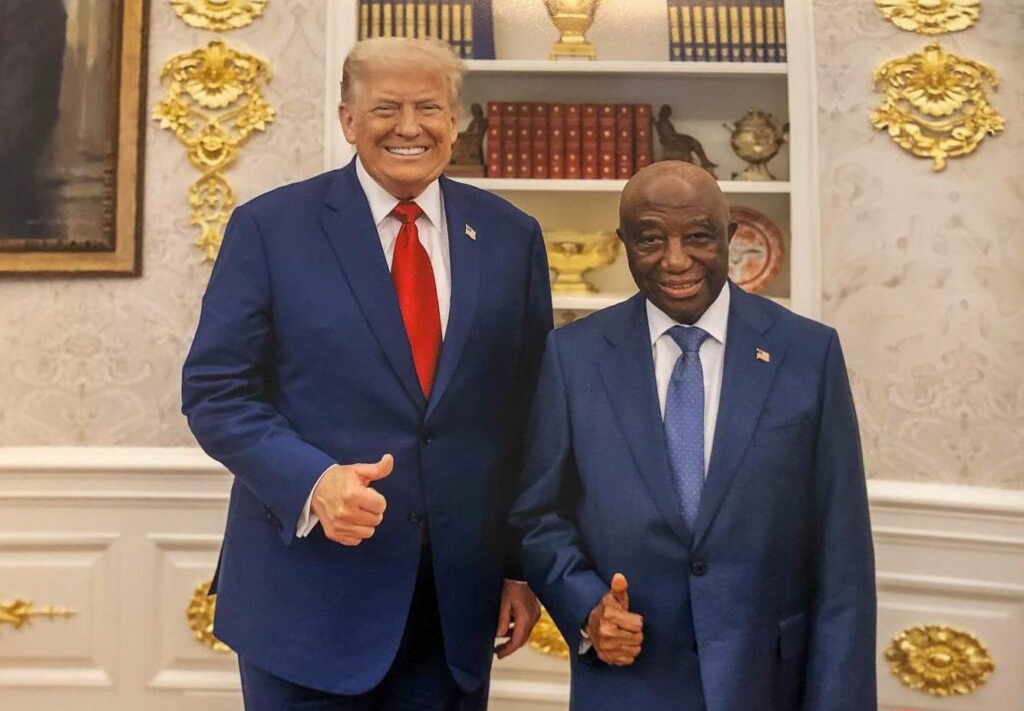
More Than Migration
Experts note that the DV program has never been just about migration—it has also been a soft-power tool, strengthening people-to-people ties between the U.S. and participating countries.
“DV winners often become bridges between cultures,” said a former DV recipient now living in Minnesota. “We pay taxes, work hard, and contribute. But we also send money home and help develop our countries.”
In Liberia, remittances from the diaspora remain one of the largest sources of household income, often surpassing foreign aid in direct impact.
Hope, Even in Suspension
Despite the uncertainty, many applicants say they are not giving up. The DV program has been suspended before—and reinstated before.
“I will still apply when it comes back,” said a University of Liberia graduate residing in Gbarnga. “Hope is the last thing you give up.”
For now, thousands wait—checking phones, listening to radio discussions, scrolling social media for updates—holding on to the belief that one day the door may reopen.
Until then, dreams remain paused, not erased.
And in homes across Liberia and beyond, the familiar ritual continues: preparing for a future that may still come, even if later than hoped.