MONROVIA, Liberia — Finance and Development Planning Minister Augustine Kpehe Ngafuan has outlined the critical next steps Liberia must take following its reaffirmation for a second compact with the Millennium Challenge Corporation (MCC), describing the decision as a major vote of confidence in the country’s governance credentials under the current administration.
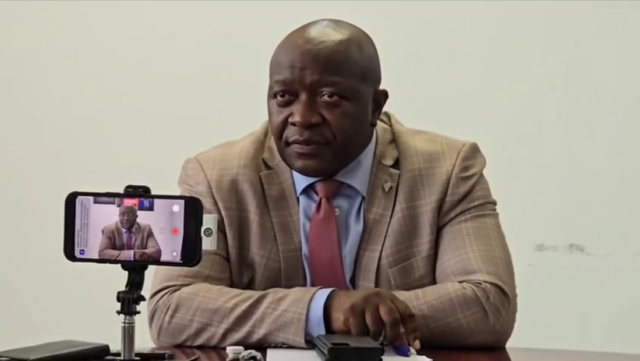
Speaking during a press engagement at the Ministry of Finance over the weekend, Minister Ngafuan confirmed that the MCC Board, which met on December 10, formally reaffirmed Liberia’s eligibility for a second compact—this time under the administration of U.S. President Donald Trump—after a comprehensive reassessment of the program’s eligibility framework.
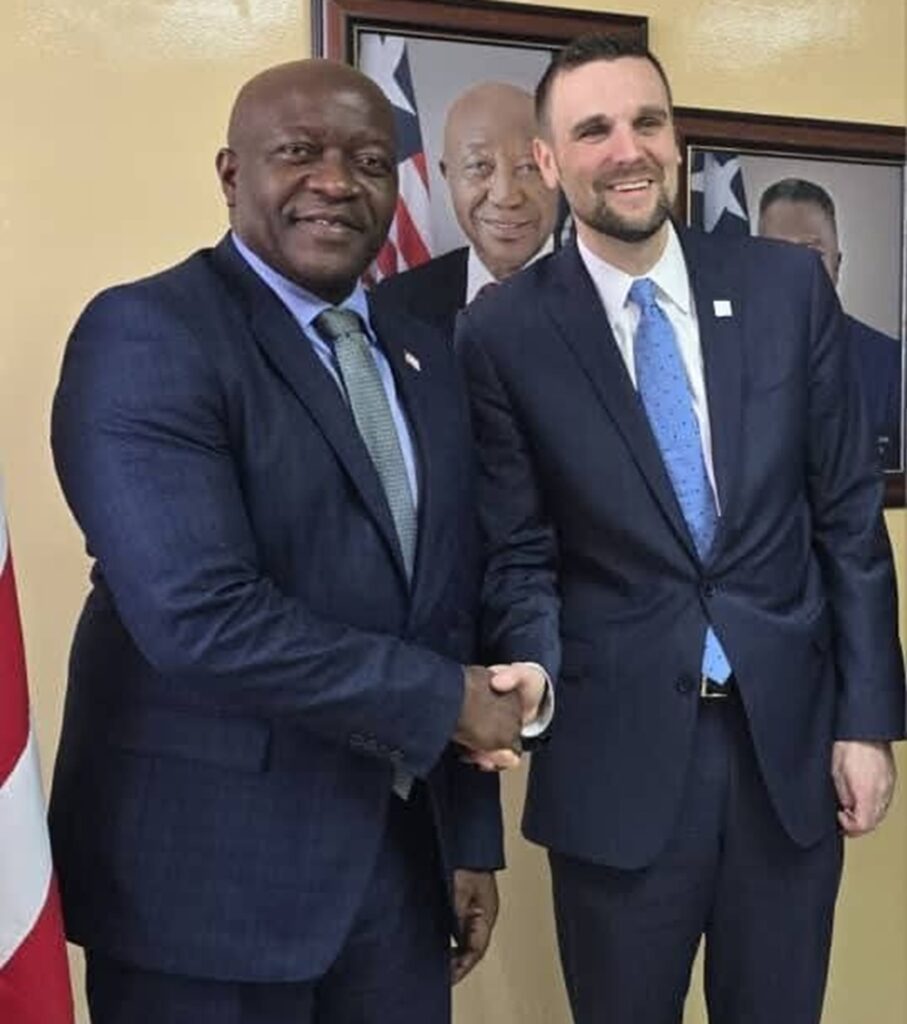
Ngafuan explained that the reaffirmation was not automatic. Since Liberia was declared eligible in 2024, both political and policy shifts in Washington triggered a fresh review of all candidate countries. Under the revised MCC framework, the number of eligibility indicators increased from 20 to 22, with two designated as “high hurdles”: control of corruption and personal freedoms.
“You can pass every other indicator,” Ngafuan said, “but if you fail corruption or personal freedom, you fail outright.” Liberia, he noted, passed 12 of the 22 indicators, including both high-hurdle benchmarks—an outcome that set the country apart from several others in the region that did not make the cut.
From Eligibility to Compact Development
With eligibility reaffirmed, Liberia now enters the compact development phase, during which specific projects to be financed under the MCC will be identified, analyzed, and costed. According to the Finance Minister, this phase typically lasts one to two years, but the government intends to move faster.
“We don’t intend to snail-pace,” the Minister said. “We want to sprint.”
He disclosed that the Ministry of Finance recently held a nearly one-hour virtual meeting with senior MCC leadership to begin discussions on implementation timelines and institutional arrangements. As part of that process, the government will, starting next week, advertise two key positions: MCC National Coordinator and Chief Economist—roles Ngafuan described as critical to driving the compact development process.
Additional positions, including gender specialists and private-sector experts, will follow. In the interim, the Government of Liberia will bankroll the initial operational costs of the MCC office until U.S. funding becomes available, likely after the first year of compact development.

Focus on Growth Constraints
Ngafuan said the next phase will focus on identifying the binding constraints to economic growth, a core principle of MCC programming. While preliminary assessments have already highlighted energy access and infrastructure—particularly roads—as major constraints, deeper technical analysis will determine where MCC investments can deliver the greatest impact.
“This is where root-cause analysis comes in,” he explained. “If energy is the constraint, what exactly is the root cause? That is what we will target.”
The eventual compact value will depend on the scope of agreed projects and the level of funding approved by the U.S. Congress for MCC operations globally.
Reaffirmation Under New U.S. Administration
Ngafuan emphasized the political significance of Liberia’s reaffirmation under a new U.S. administration, likening it to passing an entrance exam only to be re-examined by a new school principal with stricter standards.
“Some countries that passed before didn’t make it this time,” he said. “Liberia did.”
He described the decision as a strong endorsement of the government’s reform trajectory, credibility, and engagement with international partners.
Budget Passage Provides Momentum
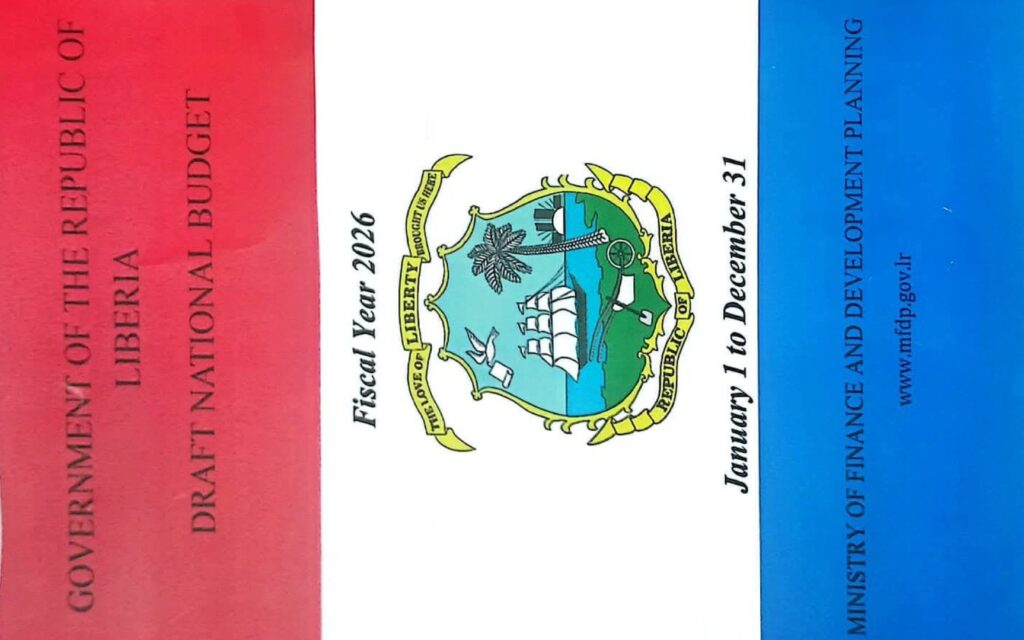
The Minister also used the occasion to highlight the Legislature’s passage of the US$1.249 billion national budget, describing it as a historic milestone that strengthens Liberia’s readiness to execute major development programs, including the MCC.
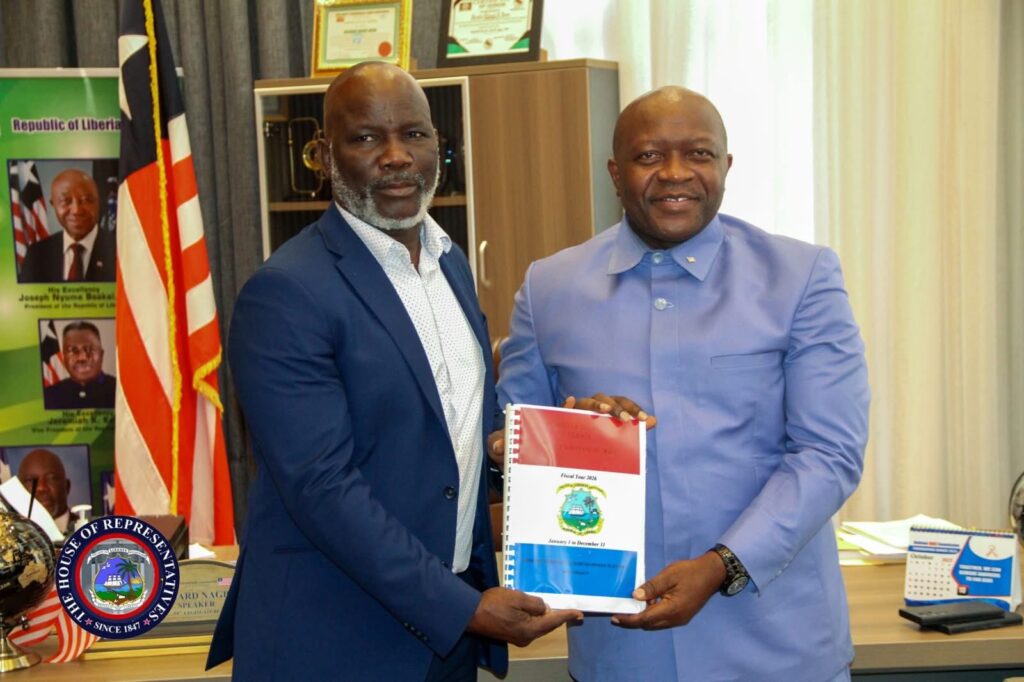
For the second consecutive year, the budget was passed before the start of the fiscal year, a rarity in Liberia’s post-2006 fiscal history. Ngafuan credited President Joseph Nyuma Boakai, legislative leaders, civil society, and the media for an unusually robust and transparent budget debate.
“The open budget process improved our democratic credentials,” Ngafuan said, adding that the early passage places ministries in a “get-set-go” posture for January execution.
Looking Ahead
With MCC eligibility reaffirmed and the national budget secured, Ngafuan said the government is now focused on rapid execution, institutional readiness, and maintaining reform momentum.
“The President is impatient with delay,” he said. “The Liberian people are impatient. And, so, we are going to sprint.”
If successful, the second MCC compact would mark one of the most significant development partnerships in Liberia’s post-war history, potentially channeling hundreds of millions of dollars into growth-enabling infrastructure and institutional reform.