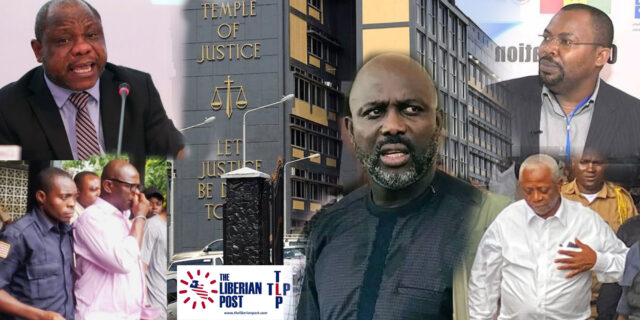
MONROVIA, Liberia — Investigative journalists in Liberia have uncovered what sources describe as a troubling attempt by associates of former President George Manneh Weah to allegedly fabricate a backdated “presidential immunity” letter in connection with a high-profile financial misconduct case currently before Criminal Court ‘C’.
The alleged plan surfaced following a recent ruling by the Supreme Court of Liberia, which denied a writ of prohibition filed by former Finance Minister Samuel D. Tweah and several former senior officials. The ruling cleared the way for the criminal proceedings to continue at the lower court.
According to a source described as a former inner-circle member of the Weah administration, the Supreme Court’s decision effectively extinguished the defendants’ last major legal shield. In response, the source claims, a scheme is allegedly being considered to draft and backdate a letter purporting to authorize the withdrawal of substantial public funds on “national security” grounds under the former President’s authority.
Context of the Allegations
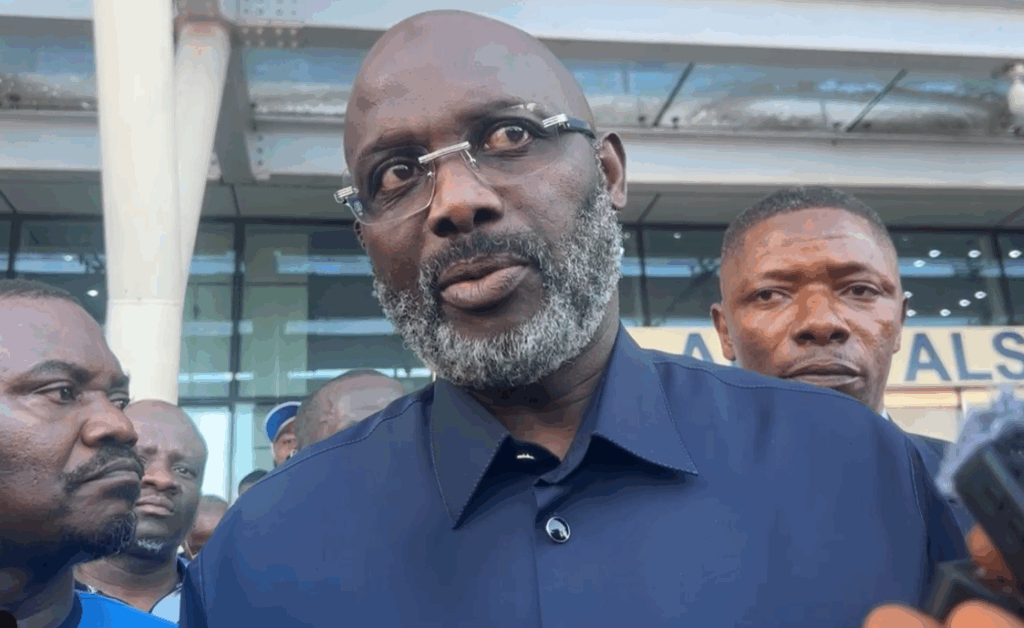
The source told investigators that former President Weah and his close associates were deeply disappointed by the Supreme Court’s ruling, which they disagree with but cannot legally challenge. With the case now set to proceed, the source alleges that the group has begun exploring extrajudicial means to support the defense of Tweah and his co-indictees.
Central to the controversy is the fact that the defendants have already acknowledged in open court that the disputed withdrawals from the Central Bank of Liberia were executed under claims of national security and presidential authority. Legal analysts say this admission has significantly weakened their defense, as it establishes direct involvement in the transactions now under scrutiny.
The alleged strategy, according to the source, is to retroactively legitimize those actions by producing a document that would suggest formal authorization from former President Weah—despite the absence of such documentation during the original transactions. “They also intent to maneuver their way to push for a retrial: this means for the case to begin at fresh. In that way, they can now present this new evidence, which will be that fake letter,” the source said.
Background of the Case
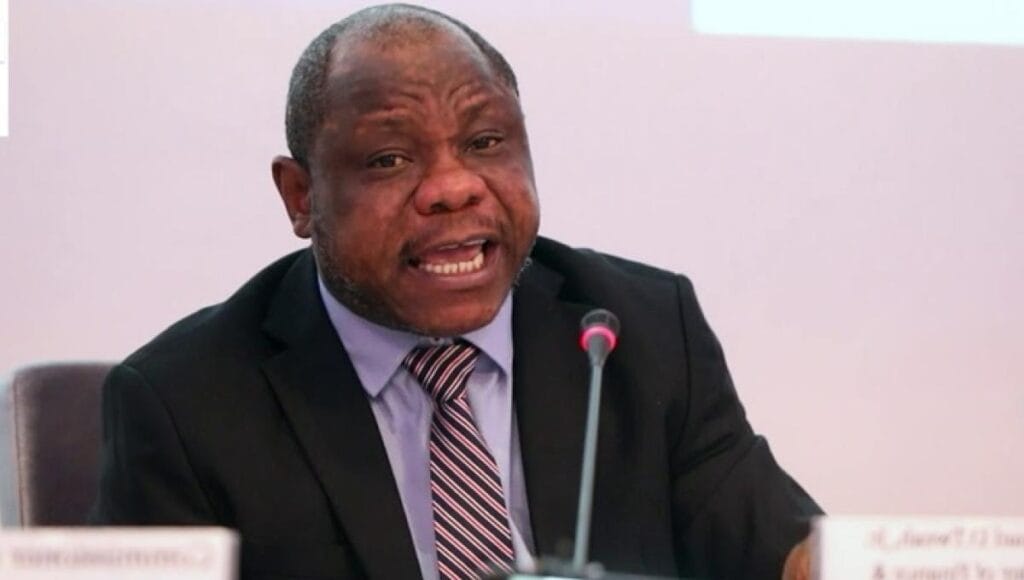
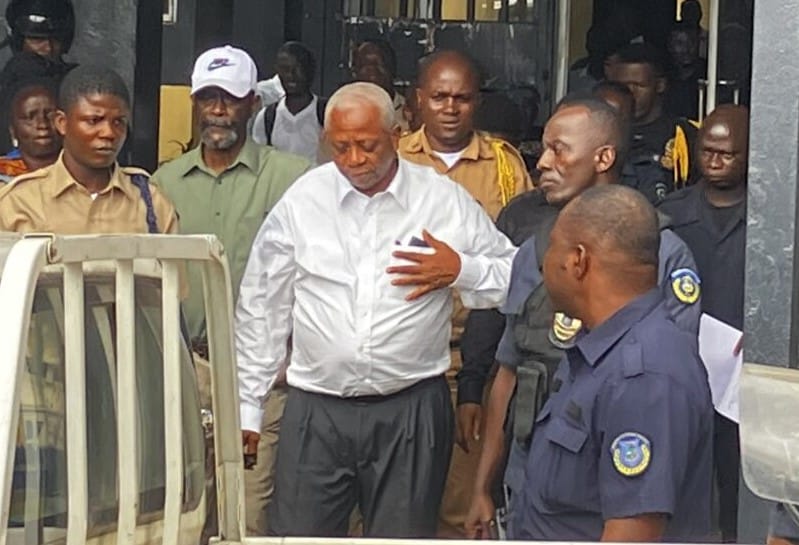
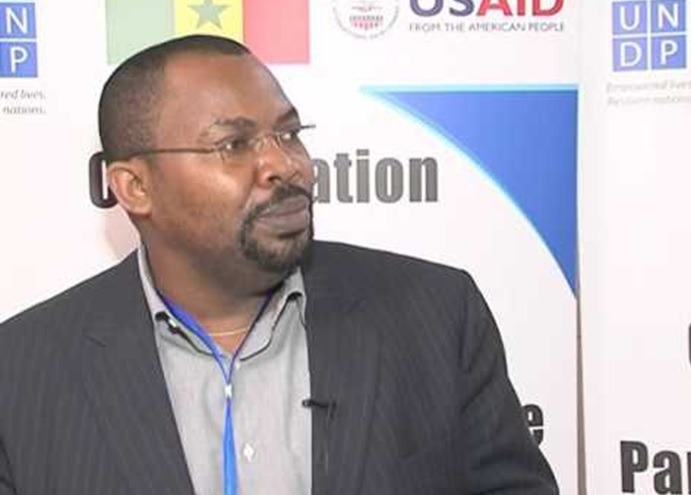
Former Finance Minister Samuel D. Tweah, alongside Nyanti Tuan, Stanley S. Ford, D. Moses P. Cooper, and Jefferson Karmoh, was indicted by the Liberia Anti-Corruption Commission (LACC) on multiple counts.
The charges include economic sabotage, theft, illegal disbursement and expenditure of public funds, criminal conspiracy, misuse of public money, and criminal facilitation.
Prosecutors allege that between September 8 and 21, 2023, the defendants conspired to transfer US$500,000 and L$1,055,152,540 from the Central Bank of Liberia through the operational accounts of the Financial Intelligence Agency (FIA) without lawful authorization.
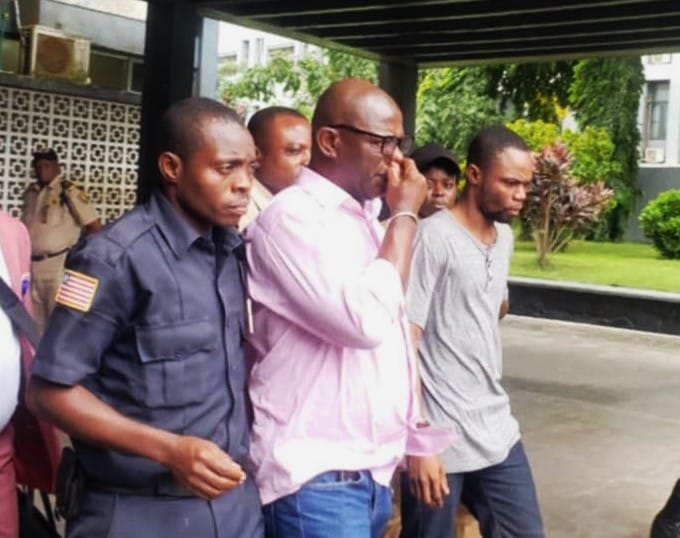
The indictment asserts that the transfers were not requested or clearly sanctioned by the National Security Council, the National Joint Security apparatus, or the FIA itself, and that the funds remain unaccounted for.
Court Rulings on Immunity Claims
Earlier, Criminal Court ‘C’, presided over by Judge Roosevelt Z. Willie, denied a motion to dismiss the case. The court ruled that the defendants could not claim immunity under Article 61 of the 1986 Constitution or under provisions of the National Security Reform and Intelligence (NSRI) Act.
Judge Willie emphasized that the NSRI Act explicitly requires financial accountability and does not exempt its members from legally mandated audits. He further cited the FIA Act of 2022, which bars immunity claims in cases involving gross negligence, corruption, or intentional wrongdoing.
“We therefore wonder how the defendants can rely on these same statutes to claim blanket immunity, even where the laws themselves warn against such conduct,” Judge Willie stated in his ruling.
Supreme Court Affirms Lower Court
In mid-December 2025, the Supreme Court upheld the lower court’s decision, denying the writ of prohibition and ordering the case to proceed. The Court clarified that statutory or presidential immunity applies only to those expressly covered by law and does not extend to former officials acting outside constitutional or legal bounds.
The ruling was signed by Chief Justice Yamie Quiqui Gbeisay, along with Associate Justices Yussif D. Kaba and Boakai N. Kanneh. Two justices recused themselves due to prior involvement or family connections.
What Lies Ahead
With the Supreme Court’s mandate clear, the case is expected to resume at Criminal Court ‘C’ during the February Term of Court in 2026. Legal experts say any attempt to introduce a retroactive or fabricated authorization letter would raise serious additional legal concerns, including potential obstruction of justice.
As the proceedings continue, public interest remains intense. The case is widely seen as a defining test of accountability, executive authority, and the rule of law in Liberia.
Whether the defense will attempt to rely on such a disputed document—and how the court would respond—remains to be seen. What is certain is that Liberians will be watching closely as one of the most consequential financial misconduct cases in the country’s recent history moves forward.