


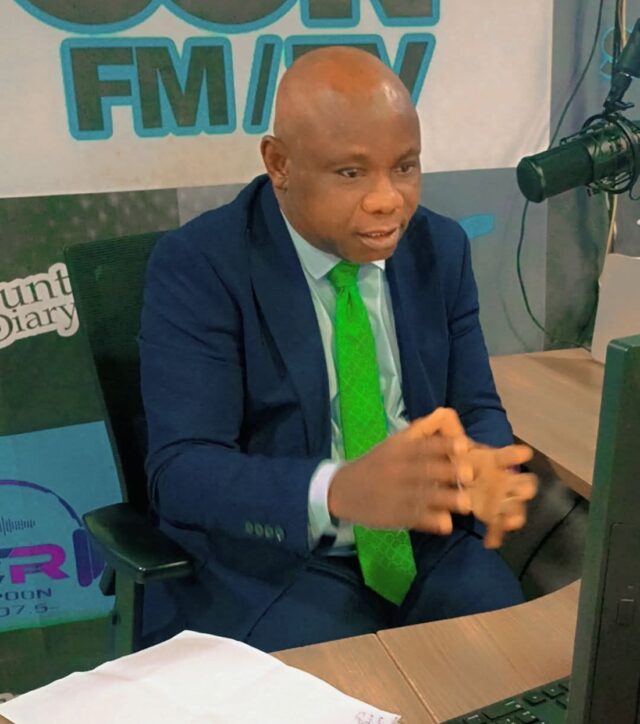
MONROVIA — Former Minister of Finance and Development Planning Samuel D. Tweah has acknowledged that Liberia’s poverty levels worsened significantly during the tenure of the Coalition for Democratic Change (CDC), conceding during a lengthy radio appearance that more than 600,000 Liberians were added to the ranks of the poor under the administration of former President George Manneh Weah.
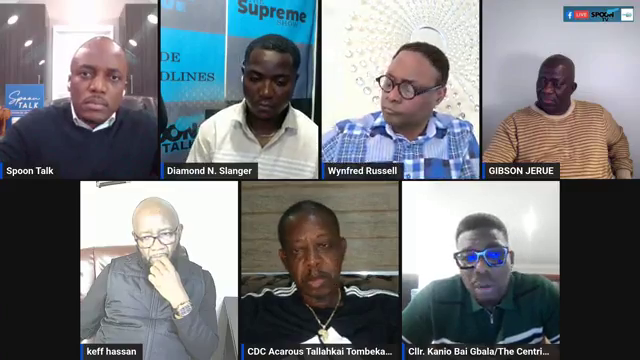
Speaking Tuesday, December 30, evening on Spoon FM’s flagship talk show Spoon Talk, Tweah framed the admission as a consequence of structural and inherited economic shocks rather than policy failure, while mounting an extensive defense of the CDC’s economic record and distancing himself from personal culpability in some of the administration’s most controversial fiscal decisions.
According to Tweah, the CDC government inherited a fragile economy marked by cash shortages, donor withdrawals, and macroeconomic instability rooted in decisions taken during the final year of the Unity Party administration in 2017. He argued that these challenges constrained the government’s ability to translate macroeconomic reforms into tangible poverty reduction, despite what he described as progress in stabilizing inflation and exchange rates.
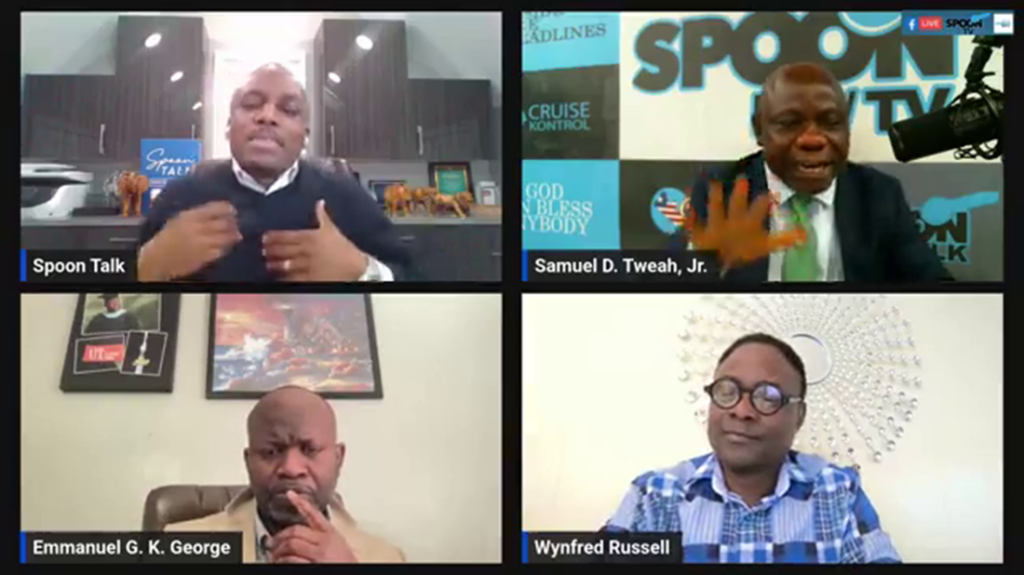
“We ran macroeconomic stabilization, but stabilization does not immediately remove people from poverty,” Tweah said, adding that public frustration stemmed from unmet expectations rather than the absence of reform.
The former minister also addressed the much-criticized US$25 million mop-up exercise, insisting that the operation was neither conceived nor executed by the Ministry of Finance, but rather by the Central Bank of Liberia (CBL) as part of routine monetary policy. Tweah maintained that the actual amount deployed was US$17 million, not US$25 million, and argued that the intervention temporarily stabilized the Liberian dollar before becoming politicized.
He rejected claims that the exercise constituted theft or misappropriation, stressing that mop-ups had been conducted by previous administrations without public controversy. According to Tweah, the critical error was former President Weah’s public disclosure of the operation, which exposed it to political attack and misinterpretation.
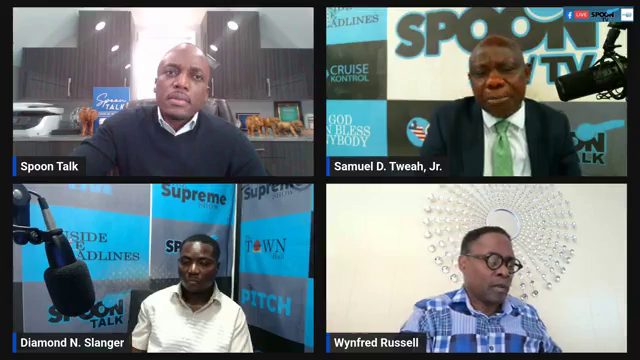
“In hindsight, the mistake was not the mop-up itself, but announcing it,” Tweah said, contending that transparency, in this case, backfired politically.
Throughout the discussion, Tweah repeatedly denied personal involvement in the operational aspects of the mop-up, pushing responsibility squarely onto the CBL. While acknowledging that he chaired the Economic Management Team, he argued that the role was advisory and coordination-based, not supervisory over monetary operations. This position drew sustained pushback from panelists, who questioned how oversight failures could be divorced from leadership responsibility.
Beyond the mop-up controversy, Tweah also defended the CDC’s Harmonization Policy, which standardized salaries across government entities but became deeply unpopular among civil servants who experienced pay cuts. Tweah argued that harmonization was a necessary fiscal discipline tool designed to curb wage distortions and unsustainable payroll growth inherited from previous administrations.
“Harmonization was painful, but it was unavoidable,” he said, asserting that Liberia could not maintain fiscal credibility while allowing fragmented and inflated salary structures to persist.
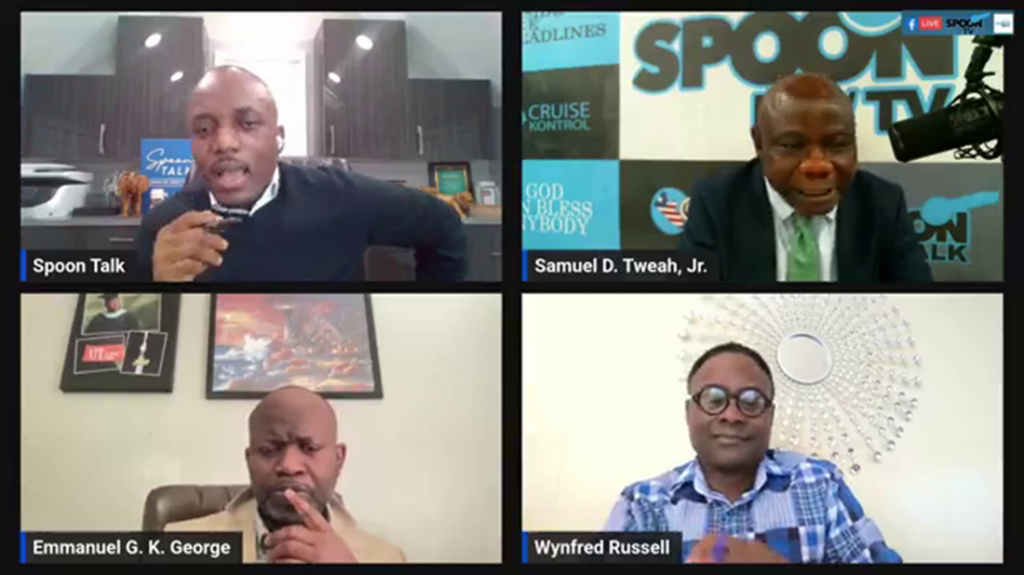
On the issue of his designation under U.S. travel restrictions for alleged corruption, Tweah described the action as politically motivated, denying any involvement in bribery or financial misconduct. He said the designation did not reflect Liberia’s governance trajectory at the time, pointing to the country’s successful qualification for a second Millennium Challenge Corporation (MCC) Compact as evidence that international partners recognized reform progress.
Tweah suggested that had the CDC won the 2023 elections, the designation would likely not have occurred, reinforcing his claim that the sanctions were influenced by Liberia’s domestic political transition rather than substantiated findings of corruption.
Despite his forceful defenses, Tweah’s admission that poverty deepened under the CDC administration represents one of the most candid acknowledgments by a senior former official of the socioeconomic toll experienced during the Weah years. Analysts say the statement undercuts long-standing claims by CDC stalwarts that the administration’s policies were broadly pro-poor.
As Liberia continues to grapple with inflation, unemployment, and widening inequality, Tweah’s remarks have reignited debate over whether macroeconomic stabilization without inclusive growth can be considered success, and whether technical justifications can absolve political leadership from outcomes felt most sharply by ordinary citizens.
The former minister ended the program insisting that history would ultimately judge the CDC era more favorably, but for many listeners, his own words underscored the enduring disconnect between economic policy narratives and lived reality.





Hey there! Would you mind if I share your blog with my zynga group? There’s a lot of people that I think would really appreciate your content. Please let me know. Thank you
Comments are closed.