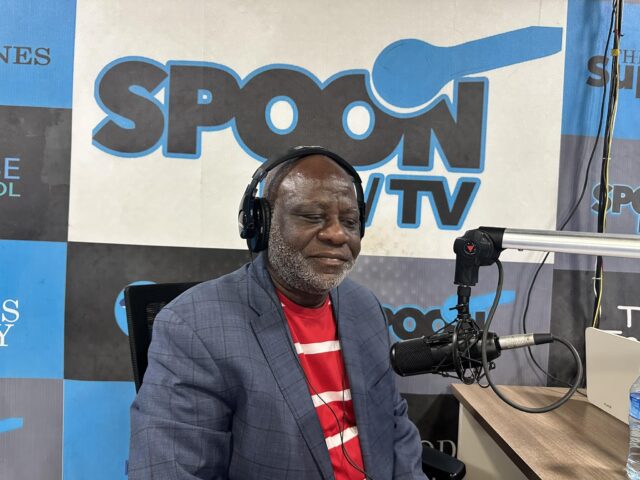
MONROVIA – Former Minister of National Defense Brownie J. Samukai has publicly broken his silence on the legal, political, and personal storms that defined the final years of the former Unity Party–led administration, offering his most detailed account yet of what he describes as a politically driven prosecution, intense cross-party pressure, and his decision to remain steadfastly loyal to the Unity Party.
Speaking Sunday evening on Spoon FM’s flagship talk show Spoon Talk, Samukai said his conviction in the controversial Armed Forces of Liberia pension case and the subsequent presidential pardon were never about criminal wrongdoing, but rather about political expediency and elite maneuvering.
Samukai, who served as Defense Minister from 2012 to 2018, insisted that the case against him was selectively pursued, arguing that several officials who played roles in the same pension process were neither indicted nor prosecuted. He maintained that the funds in question were not stolen but administratively mishandled within a system that lacked clear procedural guidance at the time.
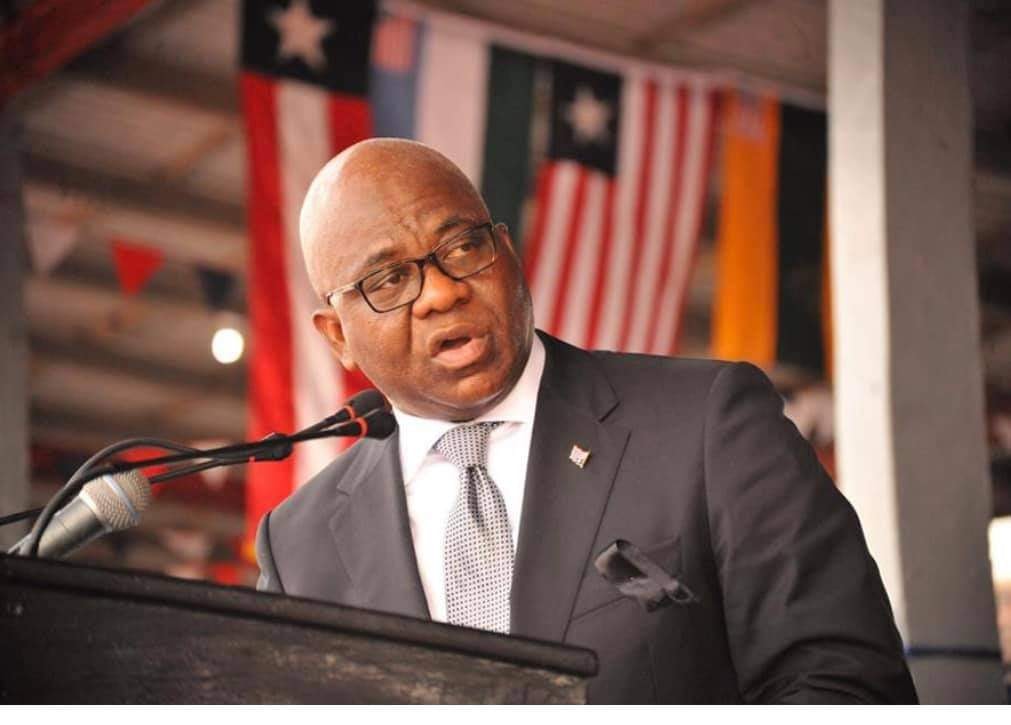
He disclosed that during the height of his legal troubles, influential political figures from multiple camps—including individuals associated with the former ruling Congress for Democratic Change (CDC)—approached him with proposals to abandon the Unity Party, run as an independent, or align with rival political blocs. According to Samukai, these overtures were often framed as pathways to political protection or relevance.
“I was told directly that politics is about survival, not loyalty,” Samukai said. “But I refused to trade my conscience for convenience.”
The former minister emphasized that despite his legal challenges, he never renounced the Unity Party, even at moments when political isolation appeared inevitable. His remarks appeared aimed at dispelling long-standing speculation that he quietly worked with the CDC during the 2023 electoral period.
Samukai also addressed public criticism surrounding his attendance at a church service hosted by former President George Manneh Weah, clarifying that the visit was an act of constitutional respect rather than political alignment. He noted that as a former Defense Minister at the time, Weah was his Commander-in-Chief, and such engagements were neither unusual nor partisan.
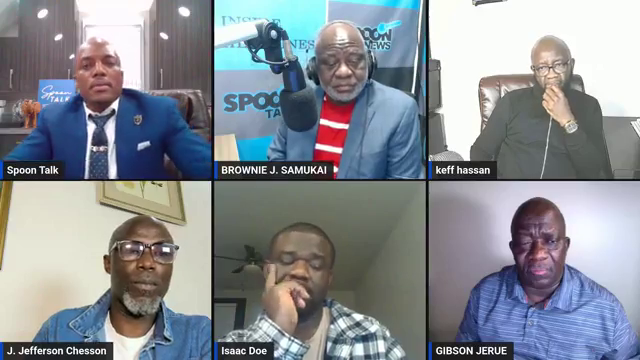
On the controversial presidential pardon that restored his civil and political rights, Samukai said he accepted it not as an admission of guilt, but as a constitutional remedy to what he views as a miscarriage of justice. He added that he harbors no bitterness toward those who prosecuted or adjudicated his case, though he expressed disappointment in what he called the judiciary’s failure to rise above political pressure.
The AFL pension case remains one of Liberia’s most debated corruption-era prosecutions, often cited in discussions about selective justice, institutional weakness, and the politicization of accountability mechanisms.
Samukai concluded his political reflections by asserting that he remains politically active, though not in pursuit of public office. He described himself as an adviser, mentor, and strategic contributor committed to Liberia’s democratic growth.
“My loyalty has never been transactional,” he said. “I stayed where I was, even when leaving would have been easier.”