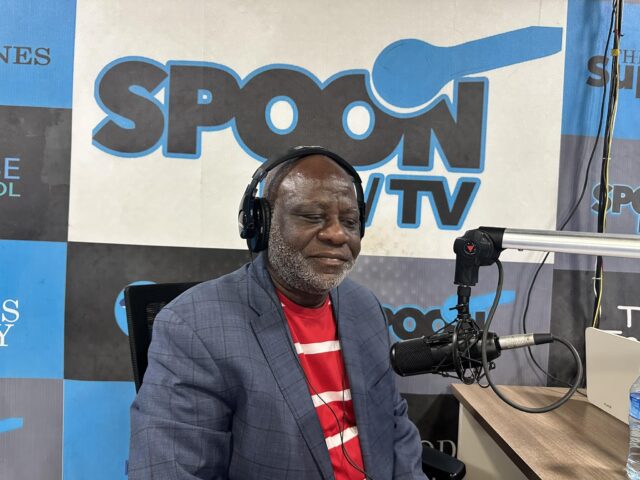
MONROVIA – In a rare moment of personal introspection, former Defense Minister Brownie J. Samukai used his first radio appearance in years to speak not only about politics, but about forgiveness, faith, and a life he says has grown richer outside the corridors of power.
Appearing on Spoon Talk on Spoon FM, Samukai told listeners that his years of legal battles, public scrutiny, and political isolation fundamentally reshaped his understanding of leadership and purpose.
“Power is temporary,” he said. “But service is permanent.”
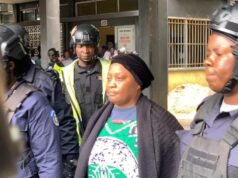
Samukai described his prosecution and conviction as one of the most painful chapters of his life, not because of the legal outcome alone, but because of what he termed the erosion of trust among political allies and institutions he once believed in. Yet, he emphasized that bitterness never consumed him.
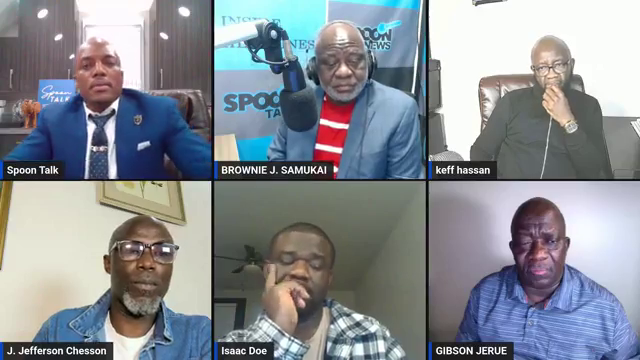
Instead, he said he chose forgiveness—of politicians who distanced themselves, of prosecutors who pursued the case, and even of judges who ruled against him. “I forgave them all,” Samukai said, adding that peace of mind mattered more than vindication.
The former minister also reflected on his upbringing in Lofa County, recalling how strangers once supported his education when his family lacked resources. Those early experiences, he said, instilled in him a lifelong belief that leadership is measured by impact, not position.
Samukai used the platform to challenge a deeply entrenched Liberian political culture that equates relevance with office holding. He argued that many of Liberia’s problems stem from the obsession with titles rather than ideas, influence rather than integrity.
“Some people think if you are not in government, you are finished,” he said. “But I have never been freer, never been more useful.”
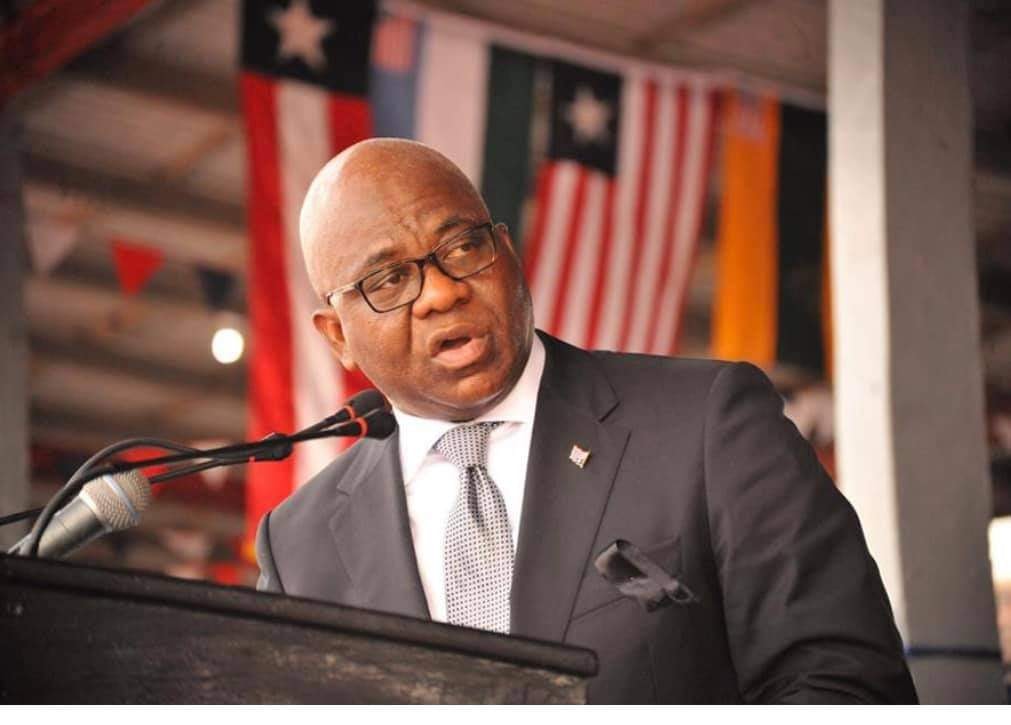
He spoke warmly about mentoring young Liberians, supporting community initiatives quietly, and engaging leaders across political and religious lines without hostility. He also stressed the importance of religious tolerance, noting that Liberia’s strength lies in its diversity and shared humanity.
Addressing young politicians directly, Samukai urged them to resist hatred and vengeance, warning that political rivalry should never erase compassion. “Politics should not make you lose your soul,” he cautioned.
He also reaffirmed that despite the personal toll of his political journey, he remains hopeful about Liberia’s future. According to him, national healing will not come from courtrooms alone, but from citizens choosing dialogue over division.
Samukai ended his reflections with a simple message: leadership begins with humility, and legacy is built long after power fades.
“I don’t need an office to serve Liberia,” he said. “I only need a conscience.”