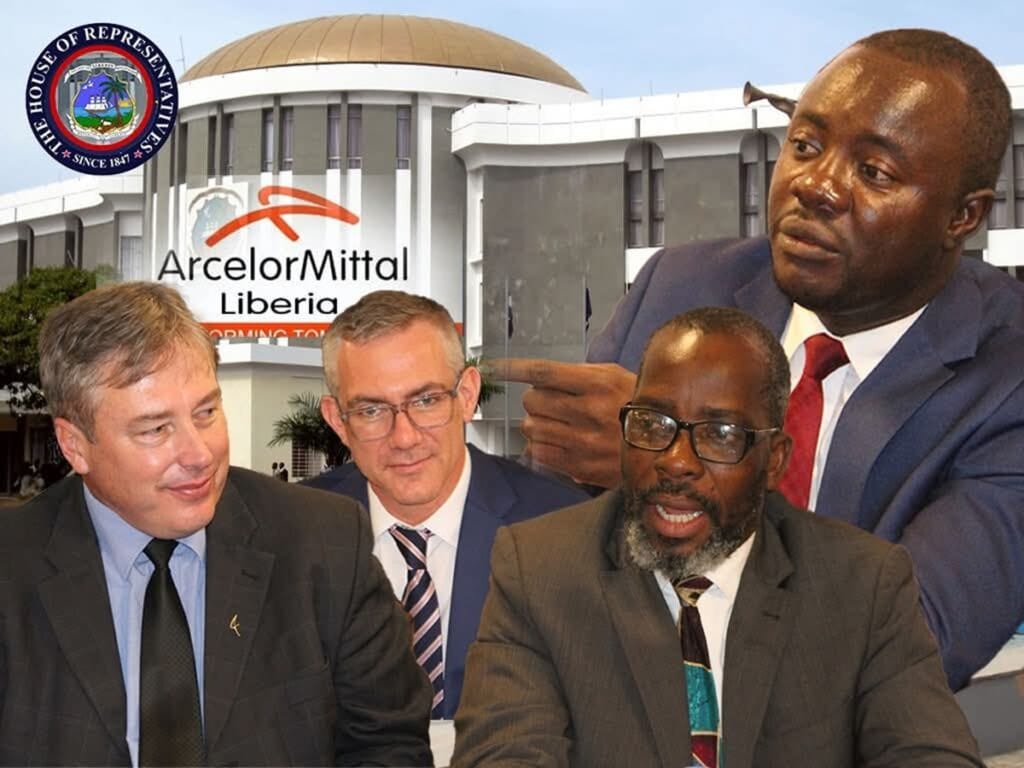
CAPITOL HILL, Monrovia — The Plenary of the House of Representatives of Liberia has voted to pass Amendment No. 3 to the Mineral Development Agreement (MDA) between the GOL and ArcelorMittal Liberia, describing the decision as being in the best interest of the Liberian people and the country’s long-term economic future.
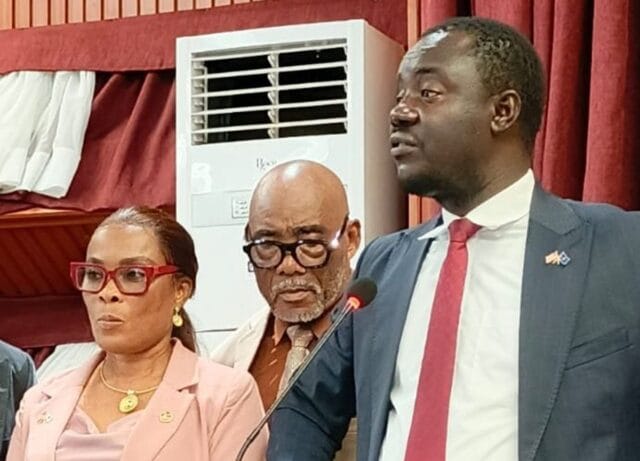
The approval followed the presentation of a comprehensive report by a Joint Committee of the Legislature on Investment and Concessions; Lands, Mines, Energy, Natural Resources and Environment; and Judiciary. The report was delivered on January 20, 2026, by Joint Committee Chairman Foday E. Fahnbulleh, during Plenary’s third-day sitting.
Public Hearing and Legislative Review
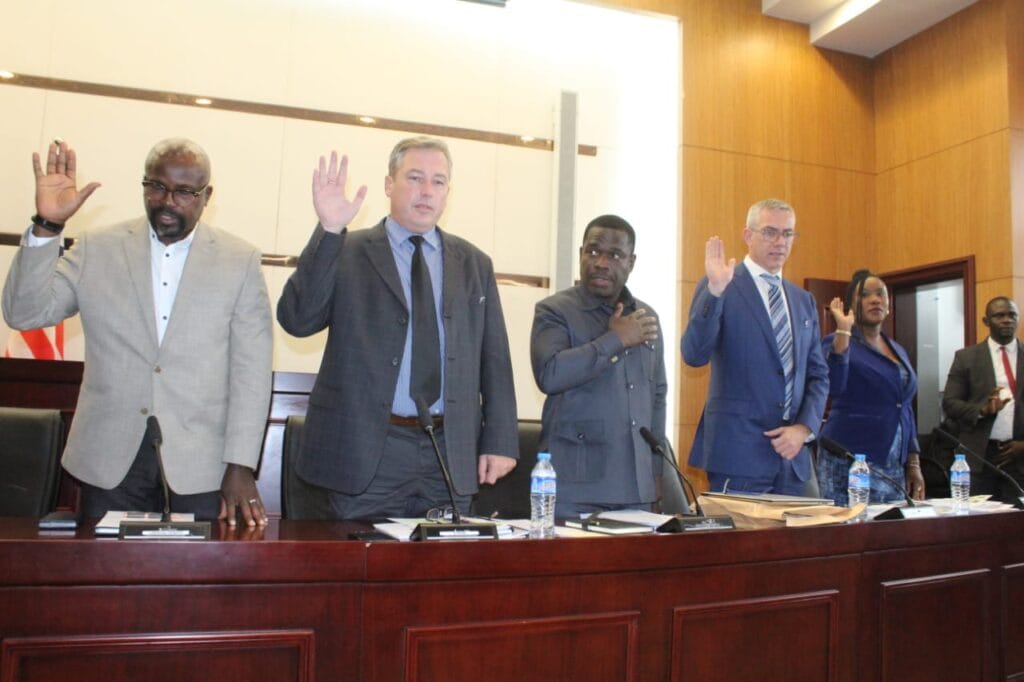
Acting under Plenary’s mandate, the Joint Committee conducted a public hearing on Monday, January 19, 2026, at the Capitol Building. The hearing examined the substance of the proposed Third Amendment, its projected national value, and its consistency with Liberia’s economic, social, and strategic development priorities.
The session brought together members of the Inter-Ministerial Concessions Committee (IMCC), including senior officials from the Ministry of Mines and Energy, Ministry of Justice, Ministry of Finance and Development Planning, National Investment Commission, and Ministry of Labor. Each institution outlined its role in negotiating the amendment and detailed the expected benefits for the Republic.

Background and Controversies
The Third Amendment comes against the backdrop of years of public controversy surrounding the ArcelorMittal concession, Liberia’s largest mining agreement. Civil society groups, affected communities, and some lawmakers have long raised concerns over revenue transparency, infrastructure ownership—particularly the Yekepa–Buchanan rail and port facilities—limited Liberian participation in senior roles, and perceived weak enforcement of concession obligations.
In March 2022, the Legislature rejected an earlier version of the amendment, citing inadequate protections for national interests and insufficient guarantees for shared infrastructure access. That rejection triggered renewed negotiations beginning in 2020, culminating in the current Third Amendment now before lawmakers.
Key Findings of the Joint Committee
After more than four hours of deliberations, including executive sessions, the Joint Committee concluded that:
- The Third Amendment represents a marked improvement over the existing MDA, particularly in government revenue, infrastructure ownership, employment opportunities, Liberian participation, and regulatory clarity.
- The agreement reflects lessons from the Legislature’s 2022 rejection and addresses several long-standing public concerns.
- It affirms Government of Liberia ownership of rail and port infrastructure and introduces Rail System Operating Principles (RSOP) aimed at transitioning the rail corridor to a multi-user system.
- Stronger compliance and enforcement mechanisms are incorporated to enhance accountability.
- The amendment improves Liberia’s economic and strategic positioning while maintaining investor viability.
Established Benefits
Among the principal benefits cited in the Joint Committee’s report are:
- Revenue gains: A US$200 million signature bonus, a US$5 million annual Community Development Fund, increased mining license fees, and improved royalty structures.
- Employment and Liberianization: Provisions to expand Liberian participation, including at management and professional levels.
- Education and skills development: Scholarships, vocational training centers, and annual training contributions to build local capacity.
- Infrastructure modernization: Rehabilitation of bridges, paving of roads, upgrades to rail systems, and guaranteed third-party access to rail infrastructure.
- Environmental safeguards: Water-use protections and annual contributions to the Liberia Water and Sewer Corporation.
Plenary Approval and Next Steps
Following hours of heated debate—reflecting both strong support and lingering reservations—Plenary voted to endorse the Joint Committee’s report in its entirety and approved the Third Amendment without reservation.
Lawmakers acknowledged that no concession agreement is without flaws but concluded that the amended MDA is a more balanced and forward-looking instrument that strengthens Liberia’s control over strategic assets while promoting responsible investment.
The approved agreement has now been forwarded to the Liberian Senate for concurrence, setting the stage for the final legislative hurdle in a process that could reshape Liberia’s mining sector and its broader economic trajectory.