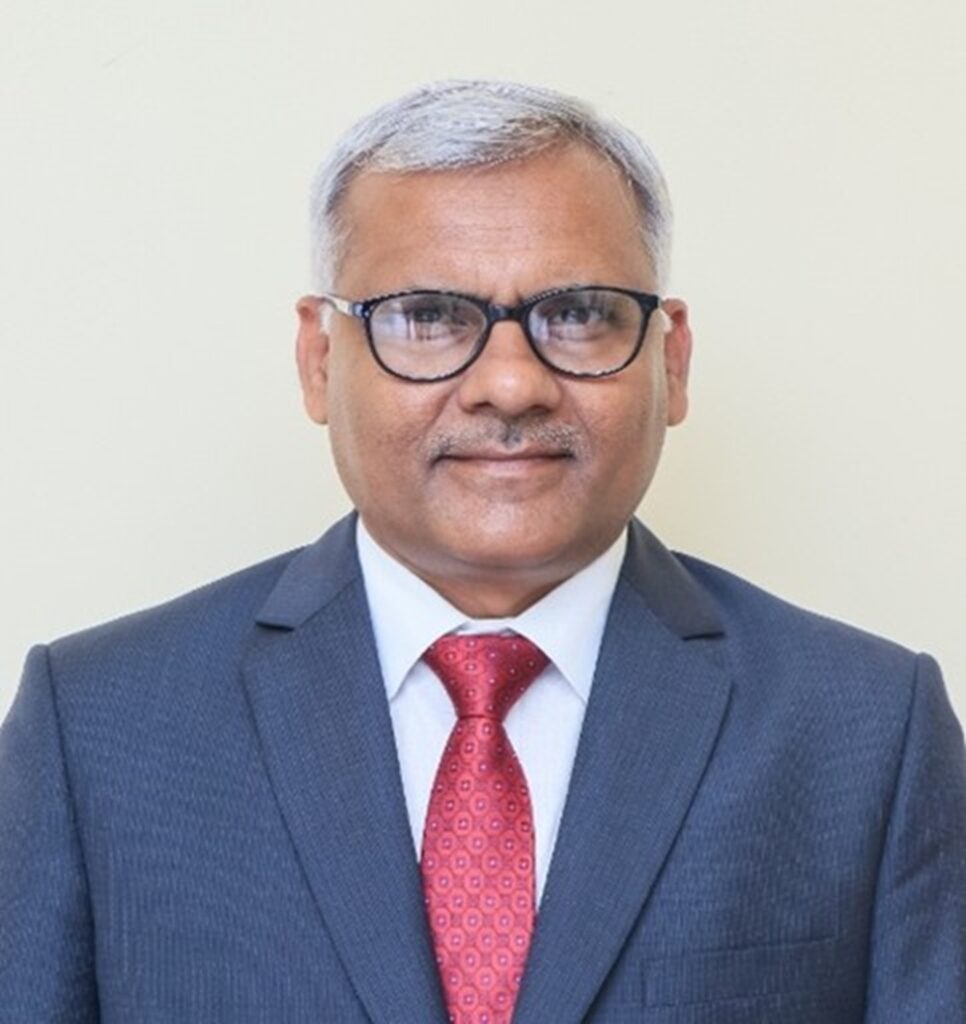
By H.E. Manoj Bihari Verma, Ambassador of India to Liberia
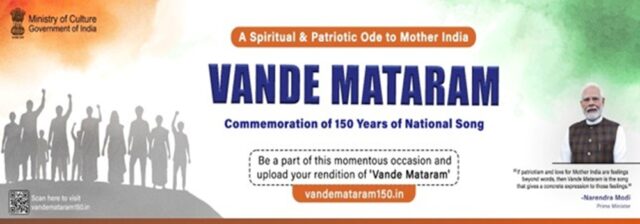
On November 7, 2025, India launched a year-long celebration marking 150 years of “Vande Mataram,” the national song that has embodied the spirit of the Indian nation since 1875. This milestone offers an opportunity to reflect on a composition that transcends music to represent the very soul of India’s freedom struggle.
Birth of a National Anthem
In 1875, Shri Bankim Chandra Chatterjee penned “Vande Mataram” meaning “I bow to thee, Mother”, in a lyrical blend of Sanskrit and Bengali. The verses, which later appeared in his 1882 novel “Anandamath,” depicted India as a nurturing mother through vivid imagery of flowing rivers, verdant fields and moonlit nights.
From Poetry to Political Awakening
What began as literature became a rallying cry for freedom. In 1896, Nobel laureate Rabindranath Tagore sang it at the Indian National Congress session in Kolkata, marking its transformation from art to activism. By 1905, during protests against Bengal’s partition, the song had become the heartbeat of mass resistance. When 40,000 people sang it in unison at Calcutta Town Hall, the colonial administration recognized its power and eventually banned it in 1938.
This prohibition only strengthened its symbolic force. Freedom fighters chanted “Vande Mataram” as they faced imprisonment and death. It accompanied every major independence movement from Swadeshi to the Quit India campaign of 1942. When Madam Bhikaji Cama unfurled the first Indian tricolour in Stuttgart in 1907, “Vande Mataram” was inscribed across it. For millions, it became the very voice of their aspirations for freedom.
A Song for United India
After independence in 1947, the Constituent Assembly accorded “Vande Mataram” equal honor with “Jana Gana Mana,” the national anthem. On January 24 1950, President Dr. Rajendra Prasad announced that the first two stanzas would be officially used, balancing historical reverence with secular inclusivity. This decision preserved national unity while honoring the song’s pivotal role in India’s freedom struggle.
Celebrating the 150 Years of Vande Matral
Prime Minister Narendra Modi inaugurated the 150th anniversary celebrations on 7 November 2025 in New Delhi, releasing commemorative coins and stamps. Mass singing events across India united millions in collective expression of national pride. Describing the collective singing of Vande Mataram as a truly sublime experience, beyond the bounds of expression, Prime Minister Modi noted that amidst the multitude of voices, a singular rhythm, a unified tone, a shared thrill, and a seamless flow emerged. The year-long celebration connects younger generations with the song’s revolutionary spirit through educational programs, cultural events, and digital initiatives across India and in Indian communities worldwide.
A Universal Message
For Liberia, which shares a profound history of struggle for resilience and dignity, the story of “Vande Mataram” resonates with universal themes. It demonstrates how culture and art become powerful instruments of political awakening and social unity. The India-Liberia friendship is built on shared values of democracy, sovereignty, and mutual respect.
As India progresses toward becoming a developed nation by 2047, “Vande Mataram” serves as both reminder of past struggles and inspiration for future achievements. The 150th anniversary is not merely nostalgic remembrance, it is a rededication to courage, sacrifice, unity in diversity and eternal faith in our nation’s destiny.
We honor every hero who sacrificed for India with these timeless words on their lips: Vande Mataram.