CAPITOL HILL, Monrovia — When Joseph Nyuma Boakai steps before the 55th Legislature on Monday, January 26, 2026, to deliver his third State of the Nation Address (SONA), the moment will mark a critical midpoint assessment of his administration’s reform agenda and political stewardship.
Coming amid rising public expectations and persistent economic pressures, the address is expected to balance candor with reassurance, outlining achievements, acknowledging shortfalls, and signaling priorities for the year ahead. Observers say the speech will be closely scrutinized not only for its rhetoric, but for how convincingly it speaks to the everyday realities of Liberians.
Economy: Bread-and-Butter Pressures at the Center
At the heart of the President’s message will likely be the economy—particularly issues of inflation, jobs, wages, and the cost of living. While macroeconomic indicators have shown signs of stabilization, many households continue to struggle with high food prices, unemployment, and limited disposable income.
President Boakai is expected to highlight recent fiscal discipline measures, improvements in domestic revenue mobilization, and declining inflation trends. He will likely point to progress under IMF-supported programs, banking sector stability, and efforts to digitalize tax and customs systems as evidence of renewed economic management credibility.
However, analysts expect the President to also acknowledge that economic recovery has yet to fully translate into relief for ordinary citizens. As such, emphasis is anticipated on job creation through agriculture, infrastructure projects, small business support, and targeted social interventions. The administration’s ARREST Agenda—Agriculture, Roads, Rule of Law, Education, Sanitation, and Tourism—will likely be framed as the blueprint for inclusive growth.
Infrastructure: Roads, Energy, and Connectivity
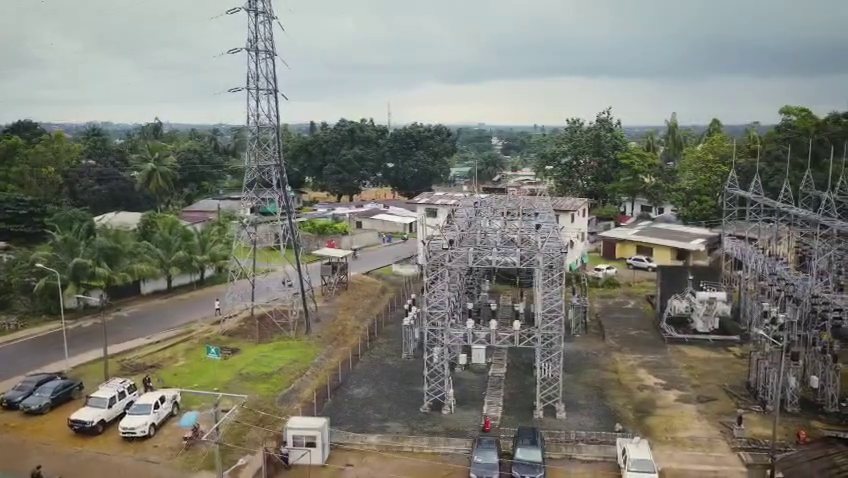
Infrastructure development is expected to feature prominently, particularly road rehabilitation, energy expansion, and port and rail modernization. The President is likely to cite progress on key corridors linking Monrovia to the hinterland, feasibility studies for major road projects, and ongoing donor-supported works aimed at improving market access and regional trade.

Energy sector reforms—especially expanding electricity access and reducing power costs—are also expected to be highlighted as central to industrial growth and private investment. Recent commitments from development partners and private investors may be presented as signs of renewed confidence in Liberia’s infrastructure agenda.
Importantly, President Boakai may frame infrastructure not merely as construction, but as a national unifier—linking rural economies to urban markets and correcting historical imbalances in development.
Governance and Anti-Corruption: A Test of Credibility
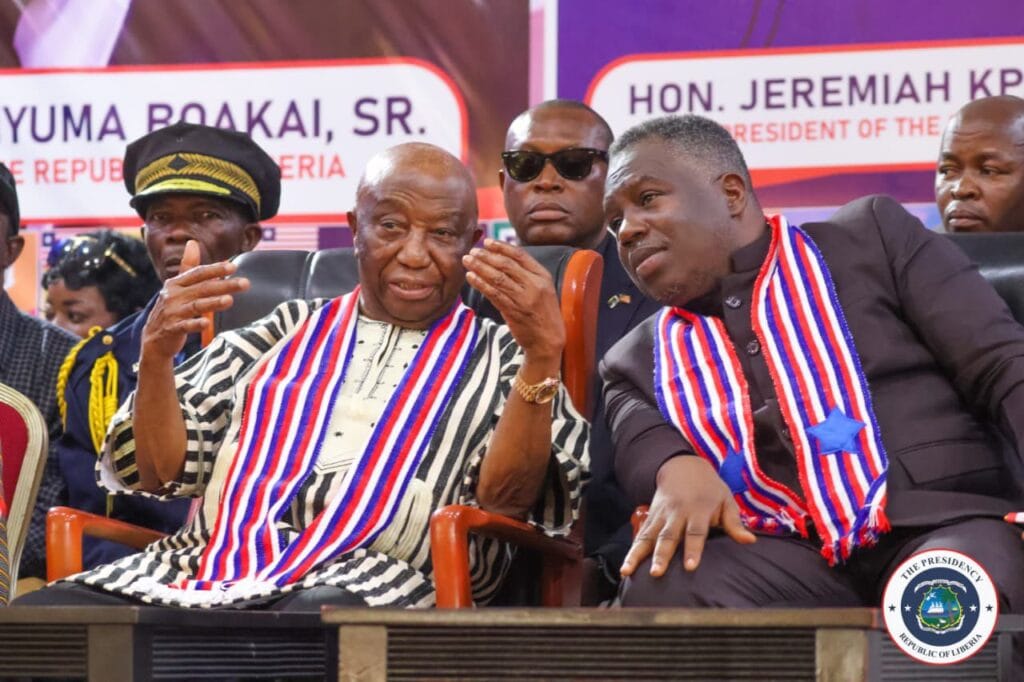
Governance reforms and the fight against corruption are likely to be among the most sensitive—and closely watched—components of the address. The President is expected to reaffirm his administration’s commitment to transparency, accountability, and the rule of law, citing strengthened institutions, asset recovery efforts, and ongoing prosecutions of alleged financial misconduct.
Recent actions by integrity institutions may be presented as evidence that no one is above the law. At the same time, the President is expected to strike a careful tone, emphasizing due process and judicial independence to counter perceptions of political selectivity.
Public security, including police reform and community safety, is also expected to feature, particularly against the backdrop of recent protests and public order challenges. The President may outline steps taken to modernize law enforcement, improve professionalism, and safeguard democratic freedoms while maintaining stability.
International Relations: Repositioning Liberia Globally
Liberia’s re-emergence on the international stage is expected to be a major theme. President Boakai will likely highlight strengthened diplomatic engagement, renewed confidence from international financial institutions, and Liberia’s growing role in regional and global forums.
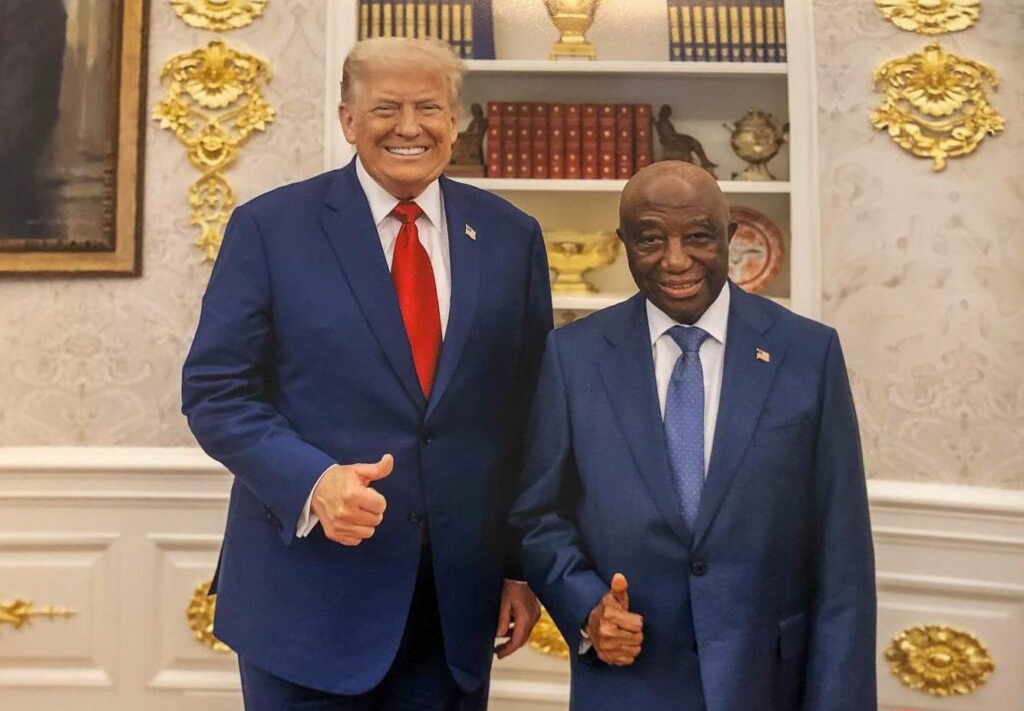
Recent high-level engagements—including Liberia’s first-ever participation at the World Economic Forum in Davos and its assumption of a non-permanent seat on the United Nations Security Council—are expected to be framed as milestones in economic diplomacy and global relevance.
The President is also expected to speak to Liberia’s relations with traditional partners such as the United States and the European Union, as well as emerging partnerships aimed at technology, infrastructure, and trade. Regional integration within ECOWAS and West Africa’s single currency discussions may also feature as part of Liberia’s broader strategic outlook.
Social Services: Education, Health, and Human Capital
Education and health—pillars of long-term national development—are expected to receive renewed emphasis. The President may outline progress in teacher recruitment, school infrastructure, curriculum reforms, and higher education governance, while acknowledging ongoing challenges in quality and access.
In health, expected highlights include expanded primary healthcare, drug supply reforms, and preparedness for public health emergencies. The administration’s focus on human capital development is likely to be framed as essential to breaking cycles of poverty and dependency.
Politics and National Unity
Beyond policy, the address is expected to carry a strong message of unity and reconciliation. With political tensions occasionally flaring, President Boakai is likely to call for constructive engagement, tolerance, and national cohesion—emphasizing that development requires collective responsibility beyond party lines.
As Liberia navigates reform in a fragile global environment marked by geopolitical uncertainty and economic headwinds, the President’s tone is expected to be sober but optimistic.
A Defining Moment
Ultimately, this third State of the Nation Address will serve as a defining checkpoint for the Boakai administration. Supporters will look for reassurance that reforms are yielding results, while critics will assess whether promises are being matched by performance.
For the public, the speech will be judged less by its length or eloquence than by whether it convincingly answers a simple question: is life improving, and is the country moving in the right direction?
Monday’s address will not end that debate—but it will shape it for the year ahead.