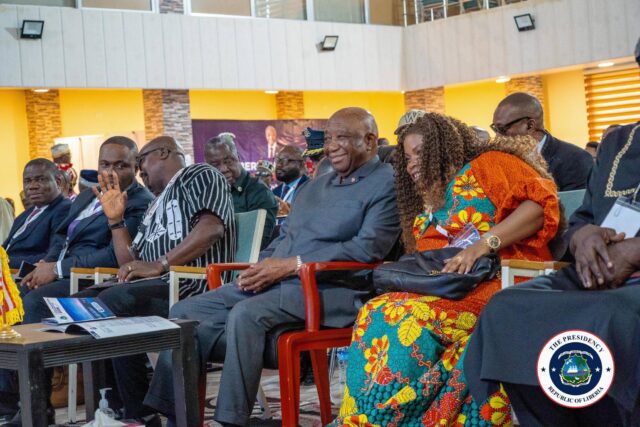
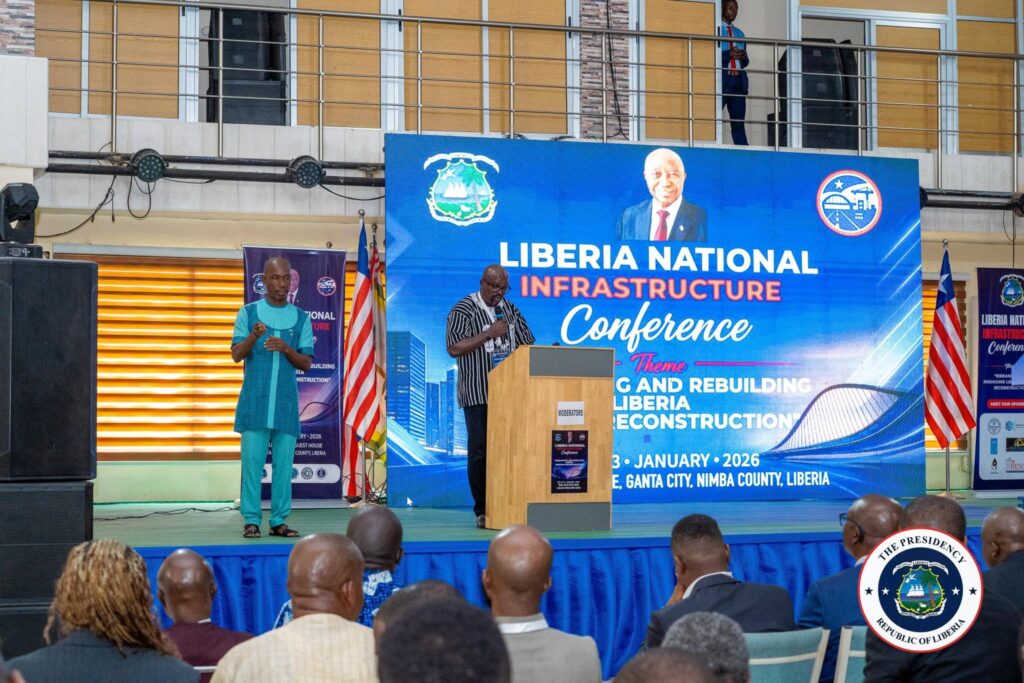
GOMPA CITY, Nimba County — Liberia has taken a decisive step toward addressing decades of infrastructure decay and positioning the country for inclusive, climate-resilient growth, following the successful conclusion of its first-ever National Infrastructure Conference, held from January 19 to 23, 2026, in Gompa City, Nimba County.
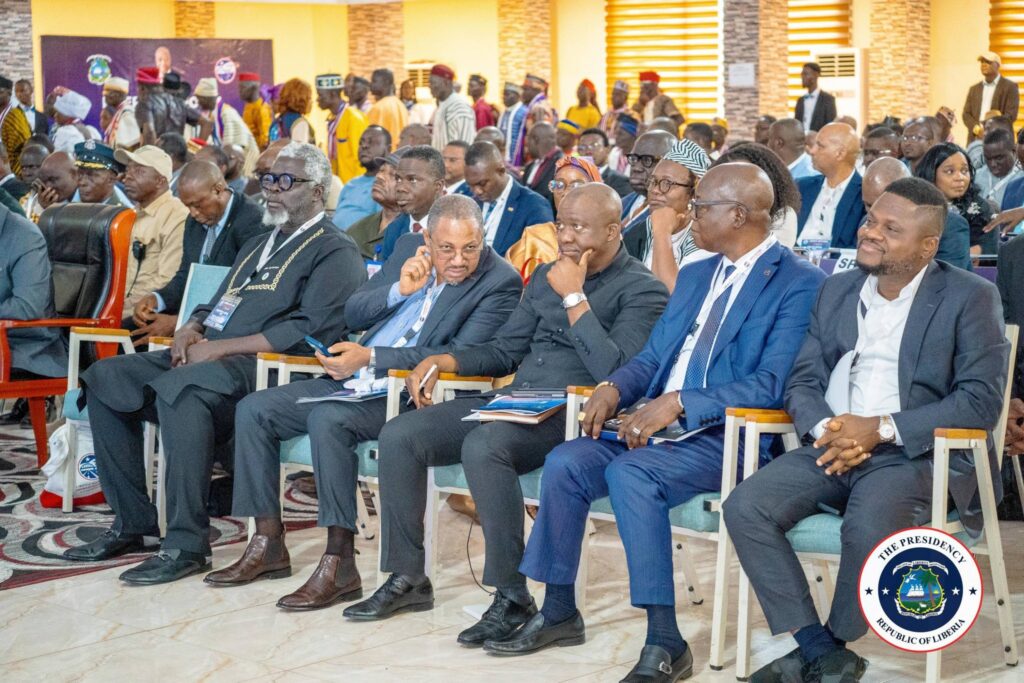
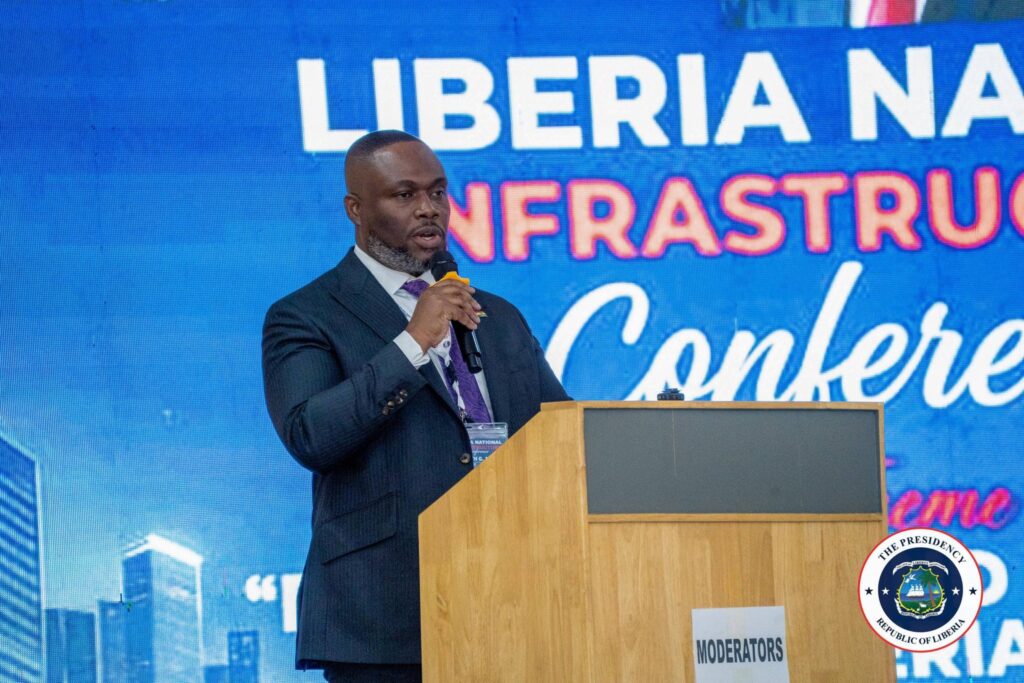
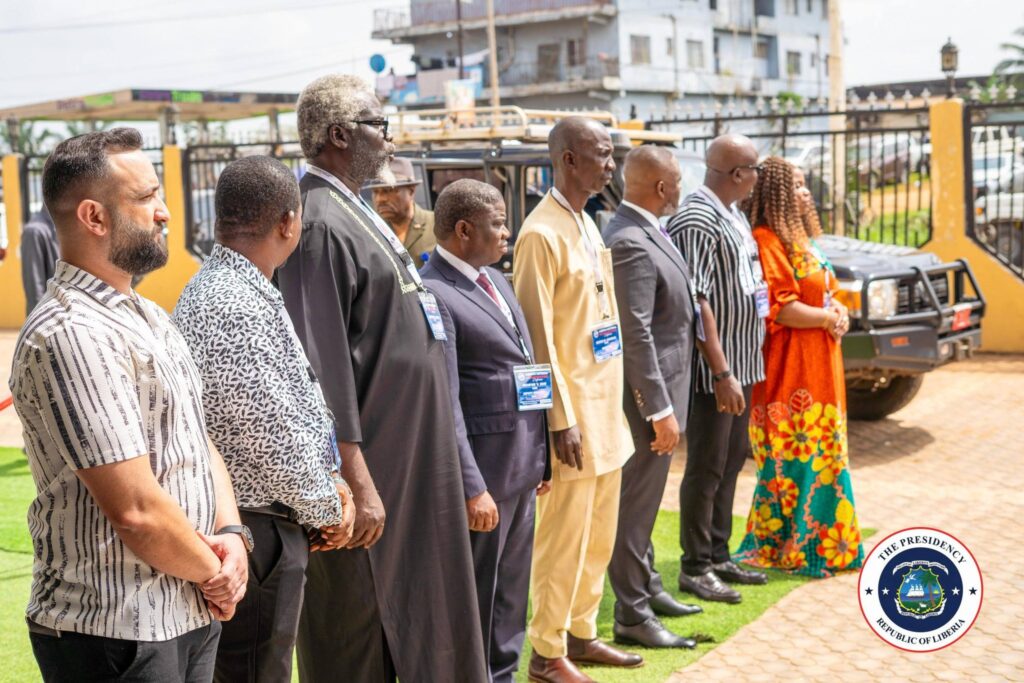
Held under the theme “Rebuilding and Rebranding Liberia through Reconstruction,” the landmark conference brought together senior government officials, lawmakers, development partners, private-sector leaders, financiers, engineers, civil society actors, and international experts for five days of intensive dialogue on the state and future of Liberia’s infrastructure.
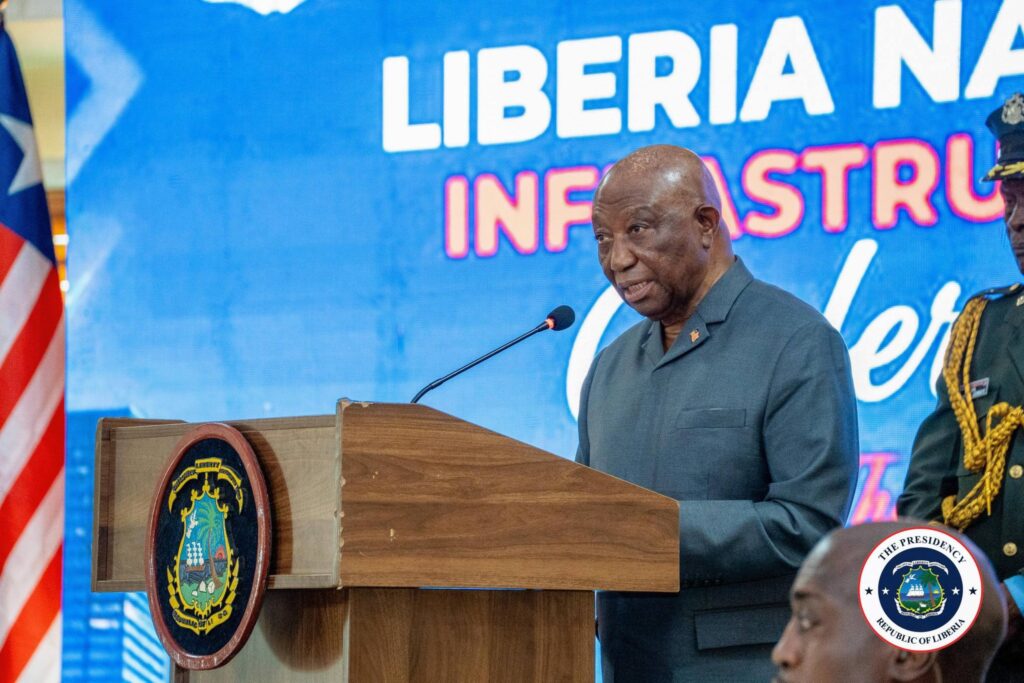
The conference was officially opened by President Joseph Nyuma Boakai, Sr., who underscored that quality, people-centered, and resilient infrastructure is a prerequisite for wealth creation, inclusive growth, and national transformation. The President reaffirmed his administration’s commitment to placing infrastructure at the center of Liberia’s post-conflict recovery and long-term economic stability, while emphasizing the need to “rebuild smarter, better, and more sustainably.”
Confronting Deep-Seated Deficits
Participants acknowledged that Liberia’s infrastructure deficit—rooted in years of conflict, underinvestment, fragmented planning, and weak maintenance systems—has imposed daily hardship on citizens and constrained economic development. While progress has been made in road rehabilitation, energy reform, ICT regulation, and sector coordination, the conference noted that significant gaps remain, particularly in maintenance financing, data systems, and institutional capacity.
Climate change was highlighted as an escalating risk, threatening roads, drainage systems, coastal assets, and public facilities, and reinforcing the need for climate-resilient design and planning.
Sector-Wide Deliberations
The conference featured plenary sessions, panel discussions, and technical roundtables covering key infrastructure sectors, including housing and spatial development, transport, ports and rail, energy, ICT and digital infrastructure, water and sanitation (WASH), and environmental and social safeguards.
Discussions stressed the urgency of comprehensive national spatial planning, decongesting Monrovia, strengthening urban and rural housing strategies, and leveraging public-private partnerships. Energy was identified as a catalyst for growth, with calls to reduce system losses, ensure regulatory stability, and expand private-sector participation. ICT was affirmed as core national infrastructure, with emphasis on fiber-optic expansion, redundancy through subsea cable development, and accelerated digitalization of financial services.
Clear Resolutions and Next Steps
At the close of the conference, participants unanimously adopted a Communiqué outlining concrete resolutions and recommendations. Among them were calls to strengthen inter-ministerial coordination, institutionalize evidence-based and data-driven planning, advance legal and regulatory reforms, expand the use of PPPs and blended finance, and improve project preparation to enhance bankability and investor confidence.
The conference further resolved to prioritize routine maintenance, establish regional and county-based maintenance hubs, integrate asset-management systems, and mainstream climate resilience, gender responsiveness, and social inclusion in all infrastructure projects.
A major outcome was the decision to convene the National Infrastructure Conference every three years, ensuring sustained stakeholder engagement, accountability, and periodic review of progress.
Toward a National Infrastructure Roadmap
Participants called for the preparation of a comprehensive post-conference report and the development of a National Infrastructure Action Plan and Roadmap, to be validated by stakeholders and submitted to Cabinet to guide policy direction and budgetary allocations. Each sector was also tasked with developing a clear timeline for its respective master plan.
The Communiqué was adopted by consensus on January 23, 2026, in Gompa City.
Observers say the conference marks a turning point—signaling Liberia’s determination to move from fragmented interventions to coordinated, long-term, and resilient infrastructure development capable of unlocking economic potential and improving lives nationwide.
Follow The Liberian Post on Facebook and X (formerly twitter)