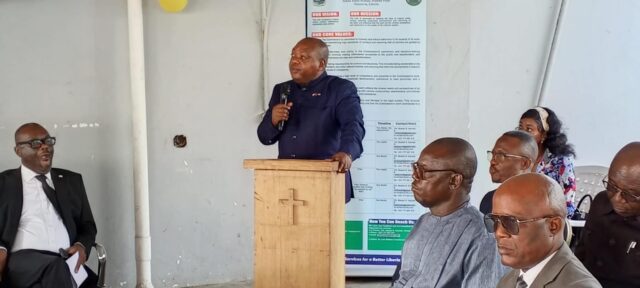
MONROVIA, Liberia — Newly commissioned Chairman and Chief Executive Officer of the Law Reform Commission (LRC), Cllr. Bornor M. Varmah, on Friday, January 23, 2025, assumed authority at the Commission with an ambitious five‑point reform agenda, pledging to modernize Liberia’s legal framework to be “accessible, equitable, and responsive” to citizens. He also announced plans to relinquish his role as President of the Liberia National Bar Association (LNBA) in light of his new appointment.
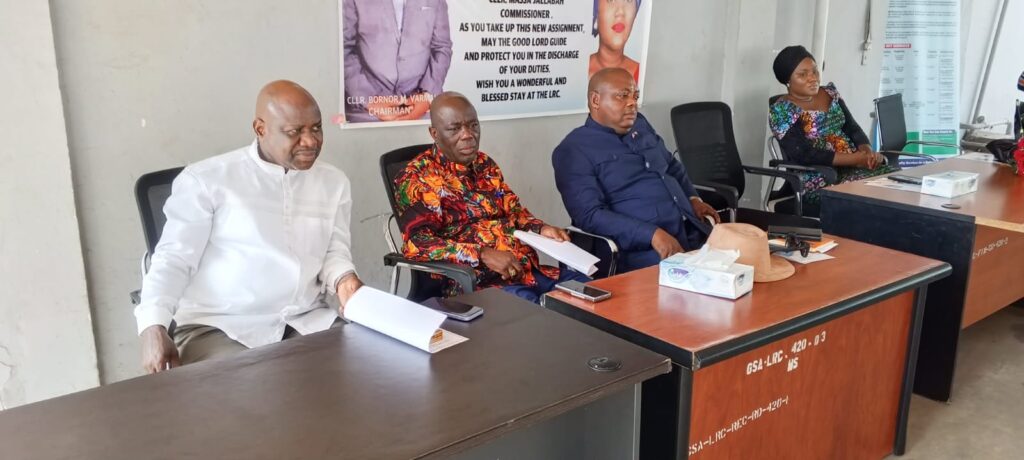
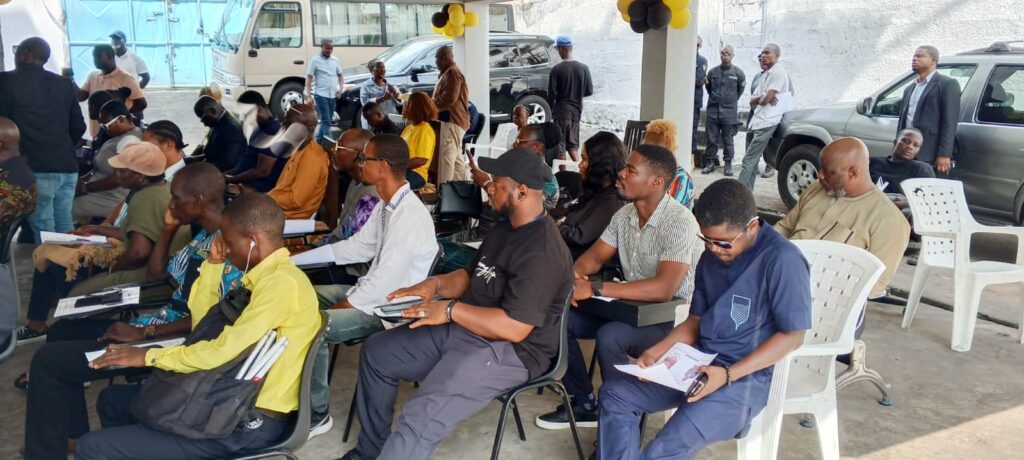
Cllr. Varmah took over alongside newly commissioned Commissioner Cllr. Massa Jallabah, following their nominations by President Joseph Nyuma Boakai in late 2025 and confirmation by the Senate. The handover at the LRC was attended by Chief Justice Yamie Quiqui Gbeisay; Associate Justice Boakai N. Kanneh (immediate past LRC Chairman/CEO); Solicitor General Cllr. Augustine Fayiah; Cllr. Jallah A. Barbu, Executive Director of the Office for the Establishment of the War and Economic Crimes Court (OEWECC); Civil Service Director‑General Josiah Joekai; Prof. Alaric Togba, Acting Chair of the Governance Commission; representatives of UNDP and UN‑OHCHR; senior government officials; the LNBA leadership and members; development partners; and civil society organizations.
“Law reform transcends mere alterations to legal texts,” Cllr. Varmah said in his inaugural message. “It is about reshaping our legal system into a dynamic tool for justice, development, and effective governance.” He described the LRC—established in 2011—as a “fundamental pillar” of Liberia’s legal infrastructure, tasked with ensuring that laws remain relevant and just amid rapid social and economic change.
Five priorities for a modernized legal system Outlining the Commission’s five‑year strategic plan crafted in late 2025, Cllr. Varmah identified five primary focus areas:
- Comprehensive review of existing laws The LRC will lead a collaborative process to identify and revise outdated statutes that conflict with the 1986 Constitution or no longer reflect present realities. “We will harmonize and modernize our codes consistent with constitutional principles and international standards,” he said.
- Access to justice and equity The Commission will push reforms that guarantee fairness and inclusion, especially for women, children, persons with disabilities, and marginalized communities. “Our laws must serve all Liberians—men and women, urban and rural residents, the educated and the uneducated alike,” he emphasized.
- Codification and simplification To build public trust and compliance, the LRC will simplify, codify, and publish laws in accessible formats so citizens and institutions can understand and apply them with ease.
- Stakeholder engagement and public participation The LRC will deepen collaboration with the Bar, the Judiciary, the Legislature, academia, civil society, and international partners, while incorporating citizens’ perspectives into the reform process. “Effective law reform requires broad participation,” he noted.
- Institutional strengthening Recognizing capacity constraints, the Commission will enhance its research and drafting capabilities, improve transparency and accountability, and cultivate a professional environment that attracts and retains skilled legal practitioners.
Tribute to predecessors; appeal for resources Cllr. Varmah thanked President Boakai for the appointment and the Senate for confirmation, and acknowledged past leaders who “laid the groundwork” for today’s agenda—Cllr. Philip A.Z. Banks, III (founding Chair/CEO and former Associate Justice); Cllr. Boakai N. Kanneh (now Associate Justice and former LRC Chair/CEO); and Cllr. Dr. Jallah A. Barbu (former Vice Chair/CEO, now OEWECC Executive Director)—along with former vice chairpersons, commissioners, executive directors, and staff.
He appealed to the Legislature and the Ministry of Finance and Development Planning for increased budgetary support in the next fiscal year. “It is costly to effectively run an institution tasked with reviewing and reforming laws to suit present‑day realities,” he said, urging development partners to rally behind the LRC’s mandate.
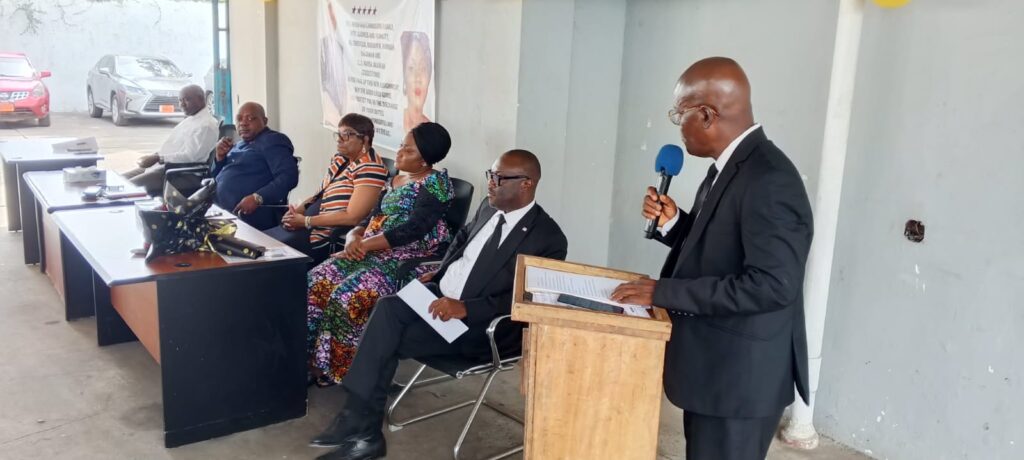
“I pledge to serve with distinction and to ensure that the Law Reform Commission becomes a driving force for legal modernization and a cornerstone of Liberia’s democratic governance,” he declared.
Commissioner Jallabah, in brief remarks, thanked President Boakai for her preferment and vowed to “dedicate and commit” her time professionally to the Commission’s work. “Together, we are poised to achieve the mandate given to the Commission in accordance with the statutes,” she said.
Judiciary underscores LRC’s technical role Chief Justice Gbeisay underscored the LRC’s centrality to judicial advancement and urged all branches and agencies to draw on the Commission’s expertise in drafting statutes, codification, and legislative design. “The LRC is legally established as a technical arm of government to guide other entities in the writing and formation of laws,” he noted, calling the Commission’s work crucial to ensuring that Liberia’s legal system “embodies the aspirations and needs of the Liberian people.”
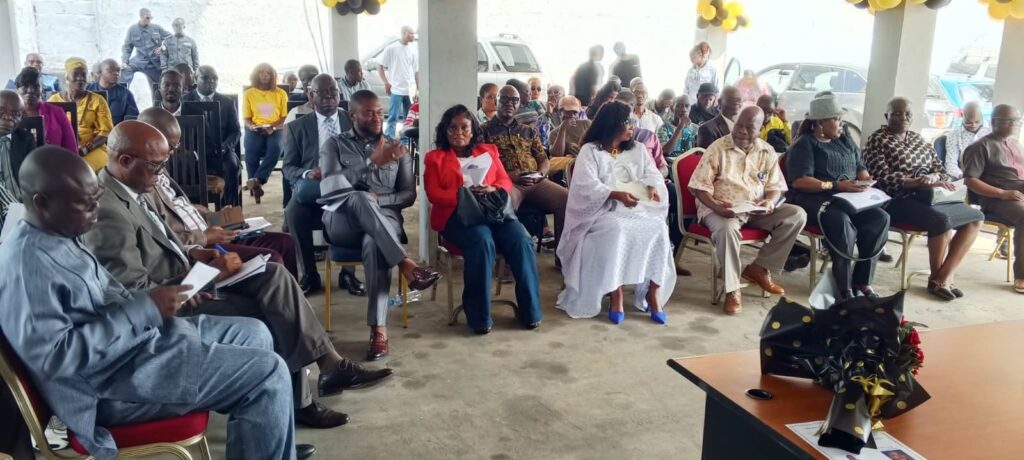
Former LRC Chair/CEO Associate Justice Kanneh lauded the Commission’s progress but warned that its mandate is “enormous” and cannot be fulfilled without adequate funding and support. He pledged to remain available to advise the new leadership: “I am only a stone’s throw away and my doors are open.”
Stepping aside as LNBA President Meanwhile, Cllr. Varmah said he intends to step down “very soon” as President of the LNBA, having served the Bar “with gratitude.” He said his appointment to a policy leadership post at the LRC “paves the way to serve the country at another level,” and that it is time “others carry the mantle” at the Bar.
With a new strategic plan and leadership in place, the LRC now faces the practical test of converting its five‑point agenda into enacted reforms—harmonized codes, simplified laws, and an inclusive process that brings citizens and institutions into the work of updating Liberia’s legal order.
Follow The Liberian Post on Facebook and X (formerly twitter)