-Says US$1.2B Plan Rewards Comfort Over People and Production
MONROVIA, Liberia — Dr. Clarence K. Moniba, political leader of the Liberian National Union (LINU), has criticized President Joseph Nyuma Boakai’s 2026 State of the Nation Address (SONA) as “aspirational” but unsupported by a people-centered budget, arguing that the US$1.2 billion national budget favors recurrent spending and political perks over human capital, productivity, and private‑sector growth.
“The State of the Nation Address will always sound good, because it is someone grading themselves. But the real grade should be found in the 2026 budget—and that is where our government is failing,” Dr. Moniba said in a formal response released Tuesday. “Budgets are moral documents. They reveal who a government truly serves.”
What The President Said
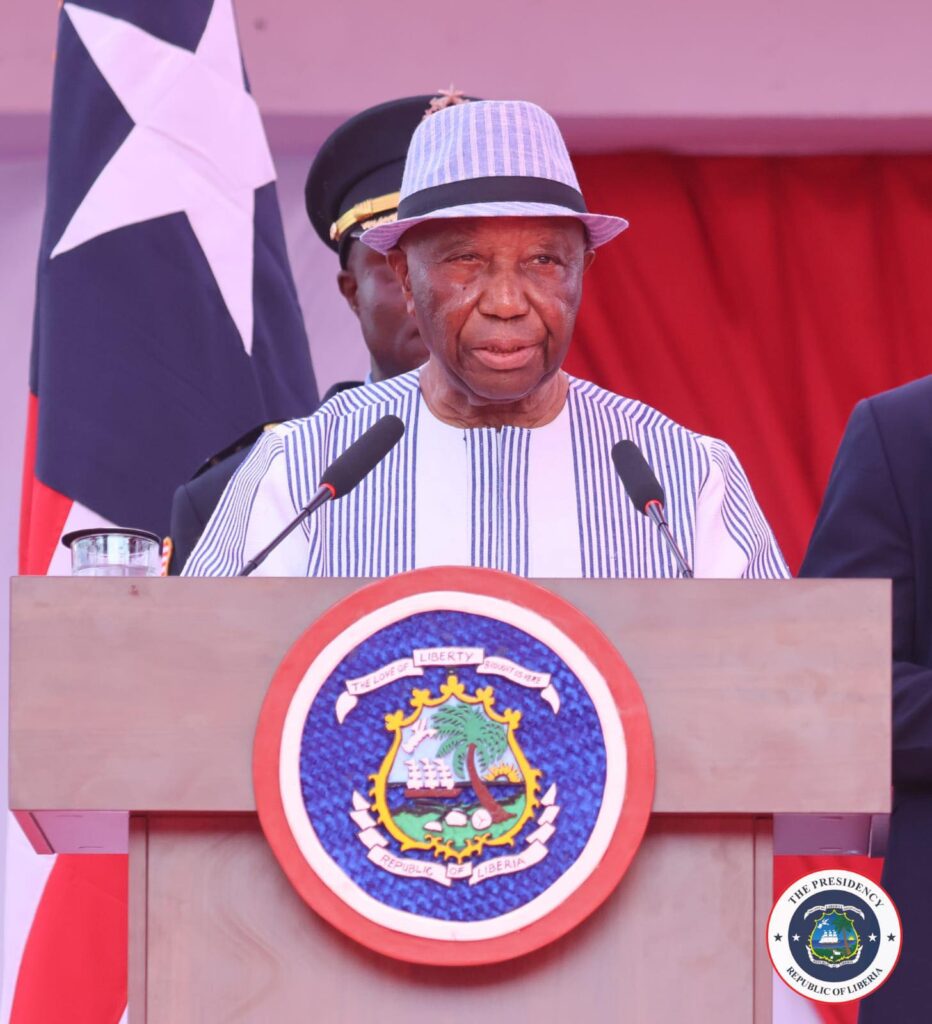
In Monday’s address, President Boakai touted a FY2026 national budget of US$1.211 billion—94% domestically financed—with a tripled Public Sector Investment Program (PSIP) of roughly US$281.5 million, including a US$100 million boost equally split between roads and energy. He pointed to a pass on the MCC scorecard, re‑energized diplomacy, fiscal discipline, and steps to stabilize prices. The President also referenced nearly 70,000 short‑term jobs, agriculture support, and the rollout of computer labs in schools as early results of his “From Resolve to Results” agenda.
Moniba: “Liberians Don’t Eat Statistics”
Dr. Moniba questioned the government’s jobs claim as “hollow” without disclosures and pathways to permanent employment. “Most of the ‘jobs’ being reported were created by the government itself, not by a thriving private sector. That is a recipe for disaster,” he said.
“Even if inflation looks lower on paper, Liberians do not eat statistics,” he added. “They buy food, pay rent, and pay transportation costs…and life remains expensive.”
On education and agriculture, he called recent measures tokenistic: “With over 2,000 schools across Liberia, 156 computer labs is not transformation; it is tokenism.” He said mechanized farming, storage, and processing remain “largely absent,” and argued that capital should be steered toward production and value chains.
Allocations That “Reward Consumption Over Production”
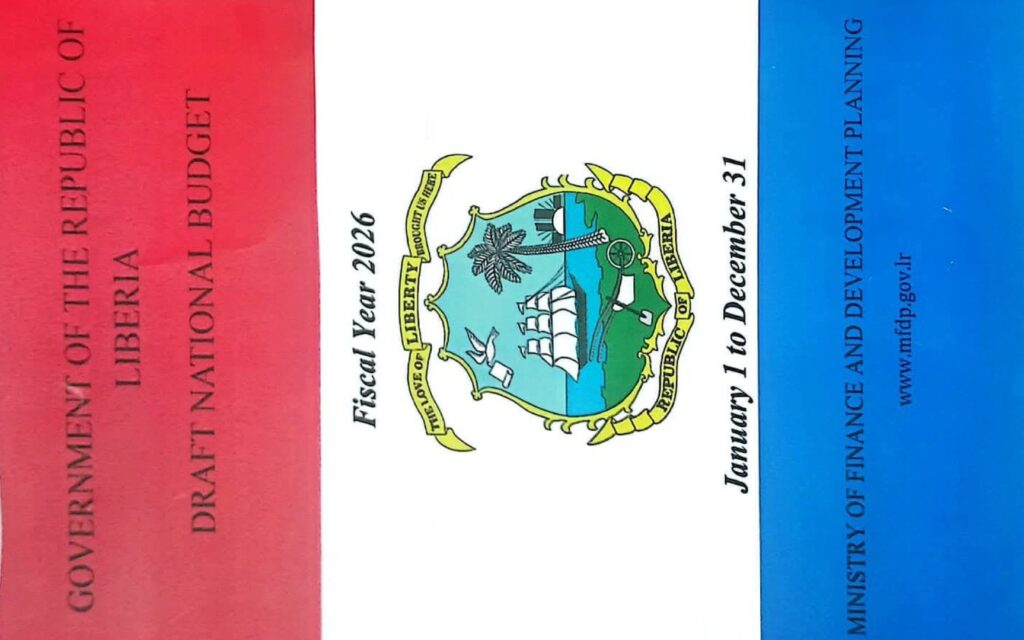
Dr. Moniba asserted the draft budget reflects “a philosophy that rewards consumption over production,” saying nearly US$400 million in new spending should have prioritized factories, productivity, and a stronger private sector.
“If the budget was for ordinary Liberians, the Government would not have allocated less than US$10 million combined for more than ten public colleges and teacher‑training institutions, while US$11 million [goes] to just six political offices: the Office of the President, Vice President, Pro Tempore, Speaker, Deputy Speaker, and Chief Justice,” he claimed.
He further alleged that the Maryland Vocational Training Institute receives US$200,000 while “US$500,000 [is] set aside for scratch cards,” calling it “malpractice.” As an example of trade‑offs, he argued that redirecting the Speaker’s US$500,000 “entertainment fund” could finance salaries for “well over 100 jobless young people” at US$250/month for a year.
Human Capital or “Managed Decline”
Framing human capital as “the most decisive lever for national transformation,” Dr. Moniba said Liberia’s budget since 2006 has averaged roughly 90% recurrent and 10% capital—a pattern he argued “will keep Liberia trapped with a 19th‑century workforce trying to survive in a 21st‑century economy.”
“Spending more on government comfort than on health and education guarantees failure,” he said. “A malnourished child cannot learn. A child who cannot learn cannot lead, or even contribute to society’s well‑being.”
“This is why a country that spends on comfort instead of capacity will not grow. It will borrow, beg, and bleed talent. That is not development; it is a managed decline,” he added. “The day the Government begins to invest seriously in human capital, productivity will rise. Workers will become more skilled. Poverty will decline—not through slogans, but through opportunity.”
Jobs and Youth Bulge
With nearly 75% of the population under age 35, Dr. Moniba warned that Liberia’s “youth bulge” could be a dividend or “a ticking time bomb of frustration and instability.” He called for a “different budget philosophy—one that prioritizes human capital, private‑sector growth, and productivity over perks.”
“Our people are not asking for perfection,” he said. “They are asking for honesty, urgency, and leadership that matches the size of their struggle. Liberia is too rich for Liberians to be this poor.”
What’s Next
As the Legislature has already passed FY2026 budget, opposition voices—including CMC and LINU—are pressing the administration to publish costed, time‑bound delivery plans for roads, power (hours of supply and loss reduction), MSME access to finance, school and clinic standards by county, and agriculture value‑chain investments. The Executive has argued that open‑budget publication, the MCC pass, and a tripled PSIP reflect a turn to delivery; critics say the public will judge by visible results in 2026 rather than headline figures.
Follow The Liberian Post on Facebook and X (formerly twitter)