-Says Package Closes Loopholes on Illicit Enrichment and Asset Recovery
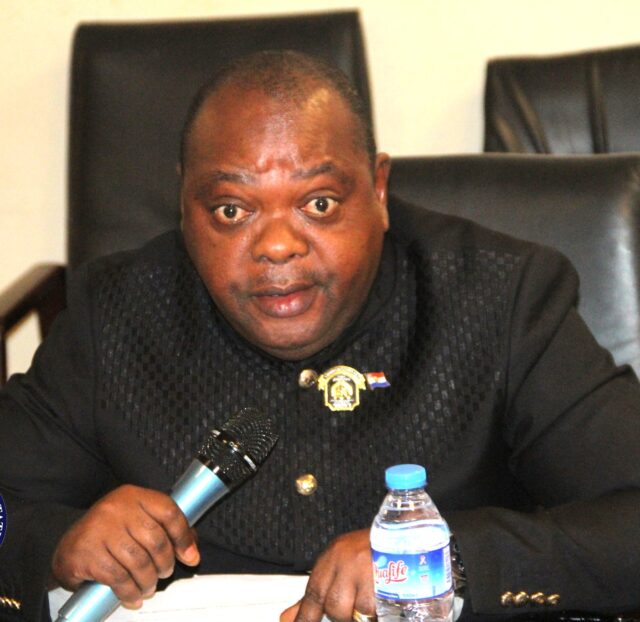
MONROVIA, Liberia — January 30, 2026 — Law Reform Commission Chairman and CEO Cllr. Bornor M. Varmah on Friday told the House Committee on Good Governance and Judiciary that four anti‑corruption amendments before the Legislature form a single, integrated package to modernize Liberia’s anti‑graft regime, close long‑standing loopholes, and align national law with international standards.
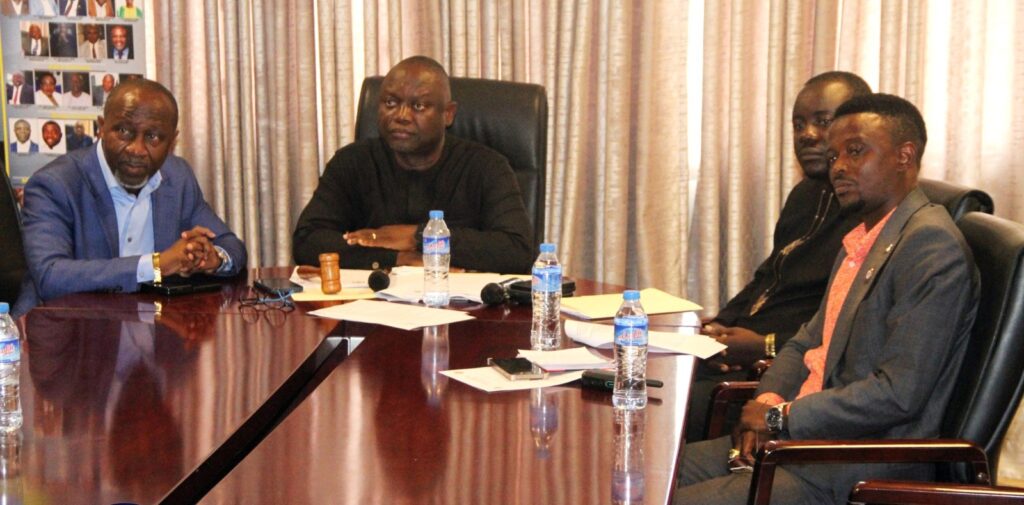
Appearing at a public hearing alongside the Liberia Anti‑Corruption Commission (LACC), Governance Commission (GC), and the Office of the Ombudsman, Cllr. Varmah said the LRC’s core mandate is to keep Liberia’s laws under constant review and recommend reforms where statutes have become “obsolete, weak, or ineffective.” He argued the four bills—validated by stakeholders, reviewed by the Executive, and forwarded by President Joseph Nyuma Boakai—directly address gaps that have hampered prosecutions, asset recovery, and public trust.
“Taken together, these reforms strengthen substance, procedure, and institutions,” Varmah told lawmakers. “They send a clear message that corruption will not be shielded by technicalities—and that illicit wealth can and will be traced, restrained, and returned to the people.”
What The Four Bills Would Change
- Penal Law (Title 26): Creates illicit enrichment as a standalone offense, targets unexplained wealth and abuse of office, reforms evidentiary rules consistent with international practice, and mandates seizure/forfeiture of illicit assets.
- Criminal Procedure Law (Title 2): Removes limitation periods for corruption cases, clarifies self‑incrimination protections to prevent their misuse to conceal illegally acquired wealth, and refines burden‑of‑proof standards for financial crimes.
- LACC Act: Strengthens the Commission’s investigative and enforcement powers, improves asset‑declaration and verification regimes, and enhances institutional integrity and coordination for asset tracing, freezing, and recovery.
- National Code of Conduct: Clarifies ethical standards and political‑participation rules, refines definitions of acts of corruption, and sets tenure/operational guardrails for the Ombudsman to ensure fair, transparent oversight.

Why The Package Matters
Varmah said the current framework—while criminalizing theft and bribery—has struggled with modern forms of corruption, rigid statutes of limitation that expire before crimes are discovered, and procedural hurdles that make complex financial cases difficult to prosecute. The result, he noted, has included high acquittal rates, minimal recovery of stolen assets, and persistent impunity.
The proposed changes, he said, would align Liberia’s laws with global anti‑corruption norms (including the UN Convention against Corruption), improve outcomes in court, and rebuild public confidence by ensuring stolen public resources can be traced and returned.
Committee Engagement and Next Steps
The House Committee on Good Governance and Judiciary convened the hearing to solicit expert views from the LRC, LACC, GC, and the Ombudsman’s Office before reporting to plenary. Lawmakers are expected to weigh constitutional safeguards, due‑process concerns, and implementation capacity—particularly around evidentiary standards, asset‑declaration verification, and the institutional resources needed to operationalize the reforms.

In closing, Cllr. Varmah urged favorable consideration, calling the package “constitutional, balanced, and necessary” for transparency, good governance, and national development. He said the bills reflect a shared national resolve “to make accountability the rule, not the exception.”
The four anti‑corruption bills submitted to the Legislature are:
- An Act to Amend Title 26, Penal Law, Liberian Codes of Law Revised, to Provide for Illicit Enrichment and Corruption;
- An Act to Amend Title 2, Criminal Procedure Law, Liberian Codes of Law Revised, to Redefine the Burden of Proof and Statute of Limitation for Corruption, Acts of Corruption, and Illicit Enrichment;
- An Act to Amend the Act Establishing the Liberia Anti‑Corruption Commission; and
- An Act to Amend Part V and Part XII, and to Provide Additional Definitions, of the National Code of Conduct for All Public Officials and Employees of the Government of the Republic of Liberia.
Follow The Liberian Post on Facebook and X (formerly twitter)