EJ GOODRIDGE High School, Barnesville Estate, Monrovia – By placing dignity, health, and equality at the center of education, Liberia is confronting a long-standing taboo that has quietly kept thousands of girls out of school.
For generations, menstruation has been treated as a private burden—rarely discussed, poorly understood, and often stigmatized. In Liberia, that silence has come at a cost: missed classes, shame, declining performance, and in some cases, school dropout among adolescent girls.
That narrative is now being challenged.
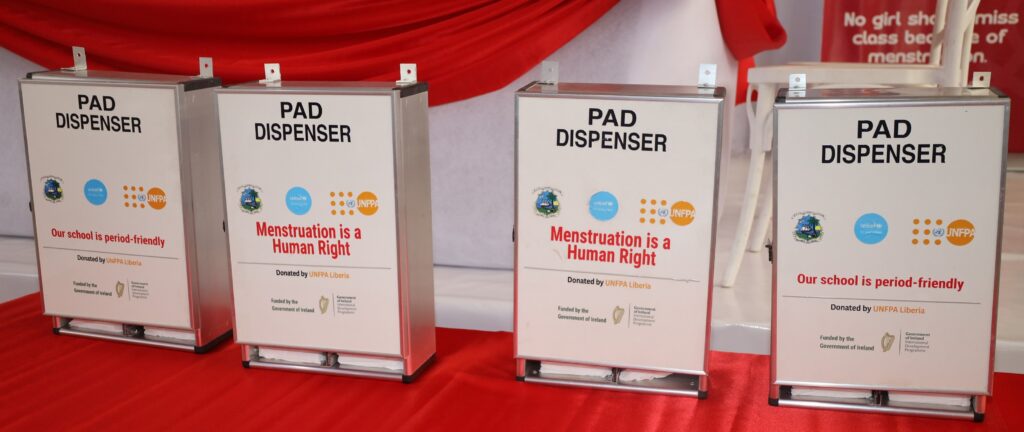
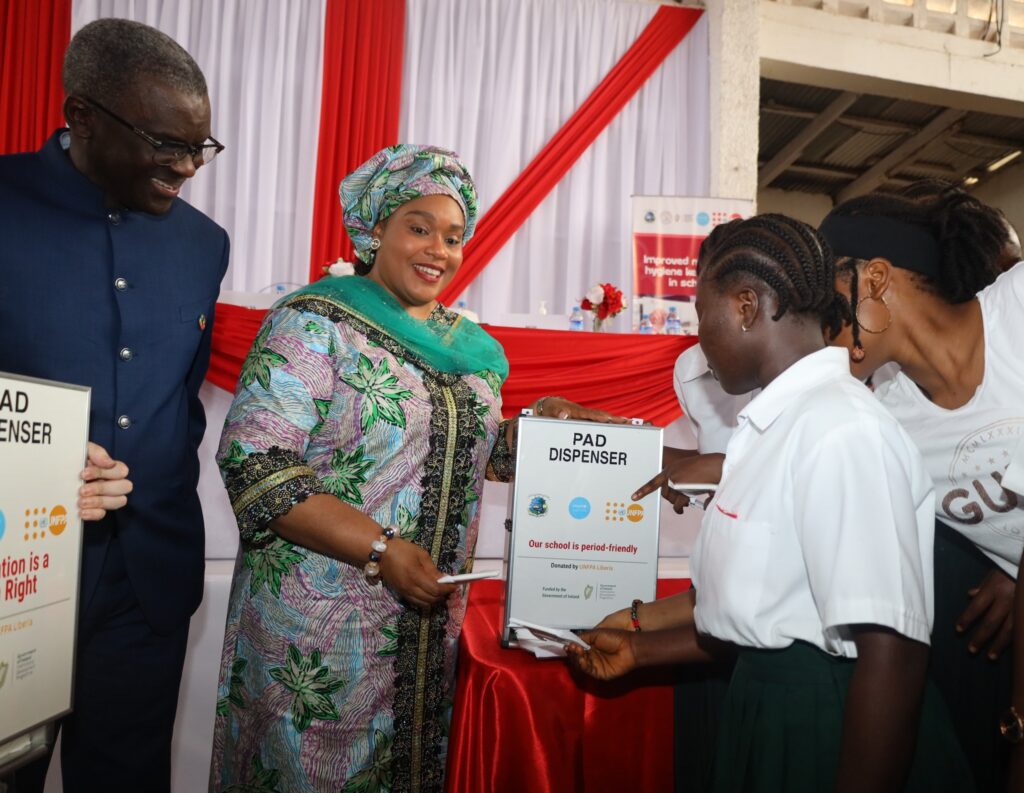
The Government of Liberia, in partnership with the United Nations Population Fund (UNFPA) and UNICEF, with funding support from the Government of Ireland, has officially launched Menstrual Hygiene Management (MHM) Pad Banks in public schools—an initiative designed to ensure that no girl’s education is interrupted simply because she is menstruating.
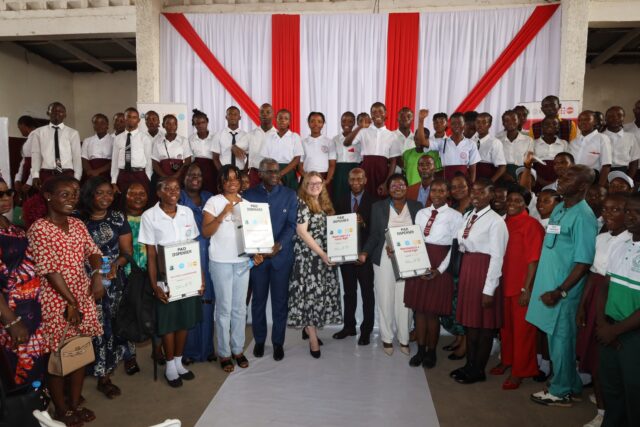
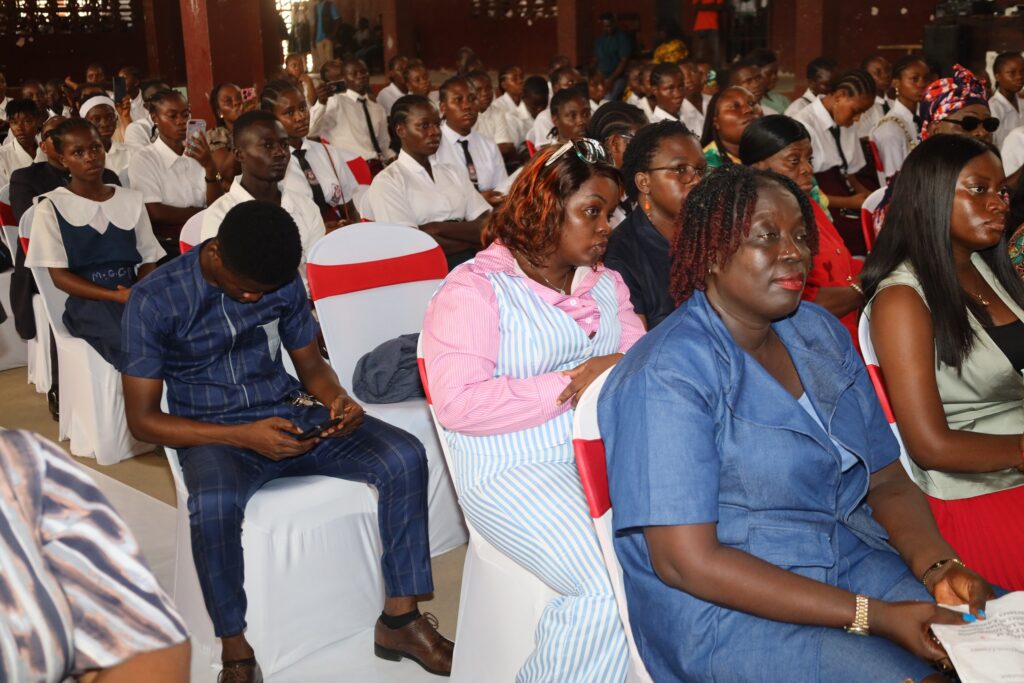
The national launch took place at Everest Jonathan Goodridge High School in Barnesville, drawing students from several schools, including inclusive institutions serving deaf learners who communicate through sign language. Education officials, health authorities, development partners, teachers, parents, and students gathered to witness what many described as a turning point in school health and gender equity.
Breaking the Silence Around a Natural Reality
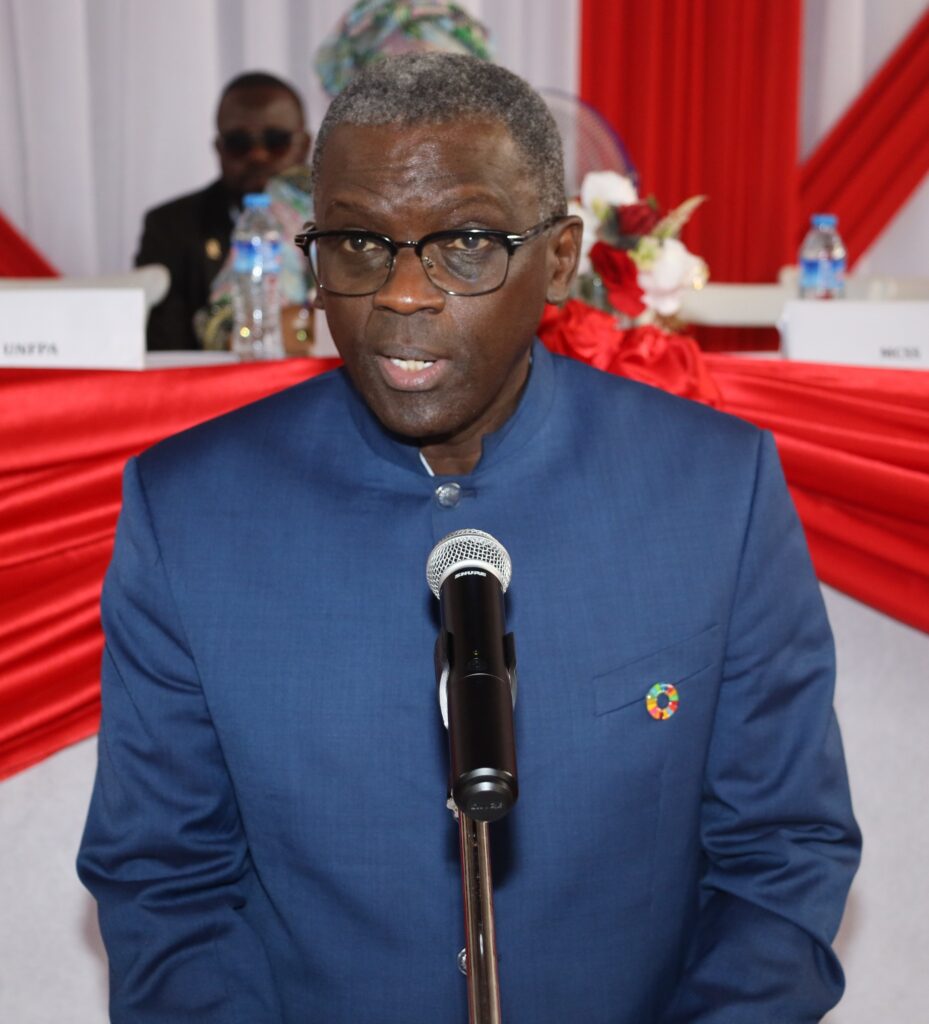
UNFPA Country Representative Mady Biaye described the pad bank initiative as a milestone achieved through strong collaboration led by the Ministry of Education.
“For too long, menstruation has been a silent barrier to education,” Biaye said. “A natural biological process has been surrounded by shame, discomfort, and fear—forcing girls to miss school simply because they lack access to basic menstrual products.”
He explained that when girls cannot manage their periods safely and with dignity, the consequences ripple far beyond the classroom—affecting confidence, academic performance, and future opportunities.
UNFPA, he stressed, views menstrual hygiene not as a luxury, but as a matter of health, human rights, and educational equity.
Pads, Yes—but Also Dignity and Education
Under the initiative, 175 public schools across Montserrado, Grand Gedeh, and Rivercess counties will receive menstrual pad dispensers, starting with E.J. Goodridge High School. The program complements Liberia’s National School Health Kit Initiative and falls under the broader Government–UN Joint Programme for Adolescent Girls, supported by Ireland.
Beyond installation, partners are exploring local production of reusable sanitary pads to ensure sustainability and affordability over the long term.
Education Minister Jarso M. Jallah, serving as Chief Launcher, emphasized that the initiative is about much more than equipment.
“This is not about a machine on the wall,” Minister Jallah said. “It is about whether a girl’s biology should determine her education.”
She acknowledged that menstruation-related challenges contribute significantly to absenteeism and disengagement among adolescent girls, adding that silence around the issue has allowed inequality to persist.
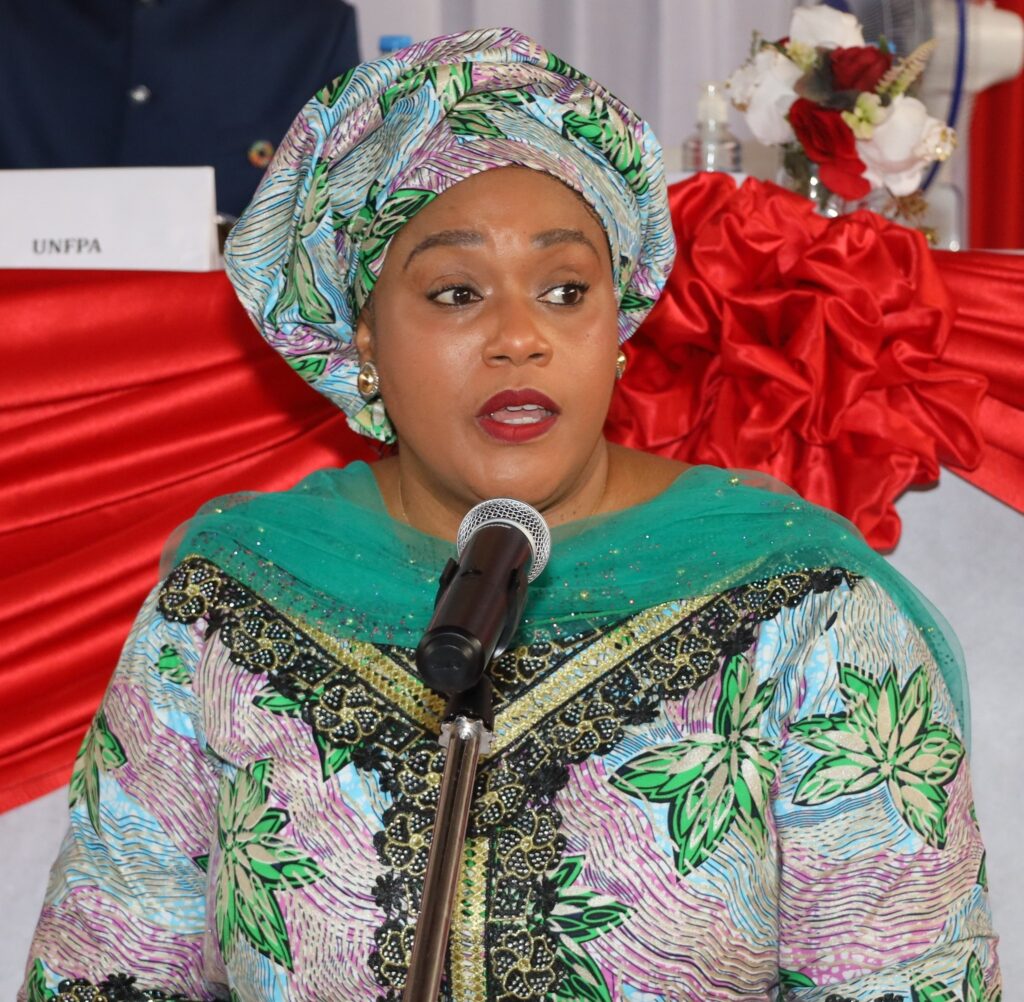
Minister Jallah called for comprehensive action—combining pad access with menstrual health education for both girls and boys, consistent product supply, school-level supervision, and community involvement to dismantle stigma.
“With the authority vested in me as Minister of Education,” she declared, “I formally commission the Pad Dispensers for Schools Program. This is our shared commitment to ending period poverty—one school at a time.”
International Support for Girls’ Dignity
Representing the Embassy of Ireland, Head of Development and Cooperation Meg Beare reaffirmed Ireland’s commitment to adolescent girls’ education and well-being.
“Menstrual health is not just a health issue,” Beare said. “It is an education issue, a dignity issue, and a gender equality issue.”
She noted that when girls miss school because of their periods, entire communities lose potential leaders, professionals, and change-makers.
Reaching Over 100,000 Girls
Earlier, Elizabeth Hope, Director of School Health at the Ministry of Education, explained that the initiative is part of the Nurture, Empower and Protect Programme, a five-year effort launched in April 2025.
The program targets girls aged 10–19 and is expected to benefit over 100,000 adolescent girls, ensuring access to sexual and reproductive health services, nutrition support, and safe learning environments.
Hope said the pad banks will help restore confidence, reduce absenteeism, and keep girls focused on learning—without fear or embarrassment.
A Cultural Shift Begins
As the ceremony concluded, one message resonated clearly: menstruation should never be a reason a girl misses school.
By placing menstrual health openly within the education system, Liberia is not only providing pads—it is challenging stigma, restoring dignity, and affirming that girls belong in classrooms every day of the month.
It is a quiet revolution—one dispenser, one conversation, one girl at a time.
Follow The Liberian Post on Facebook and X (formerly twitter)