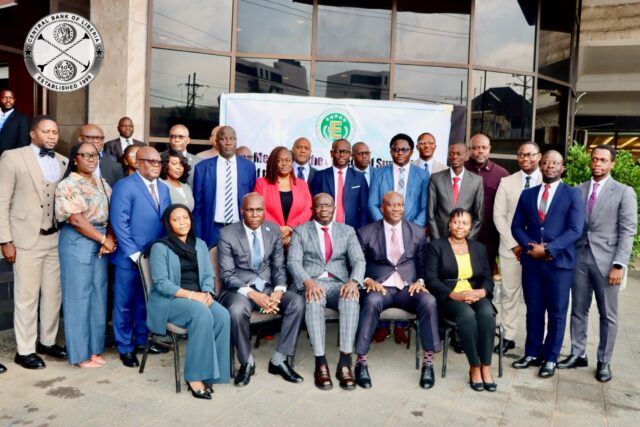
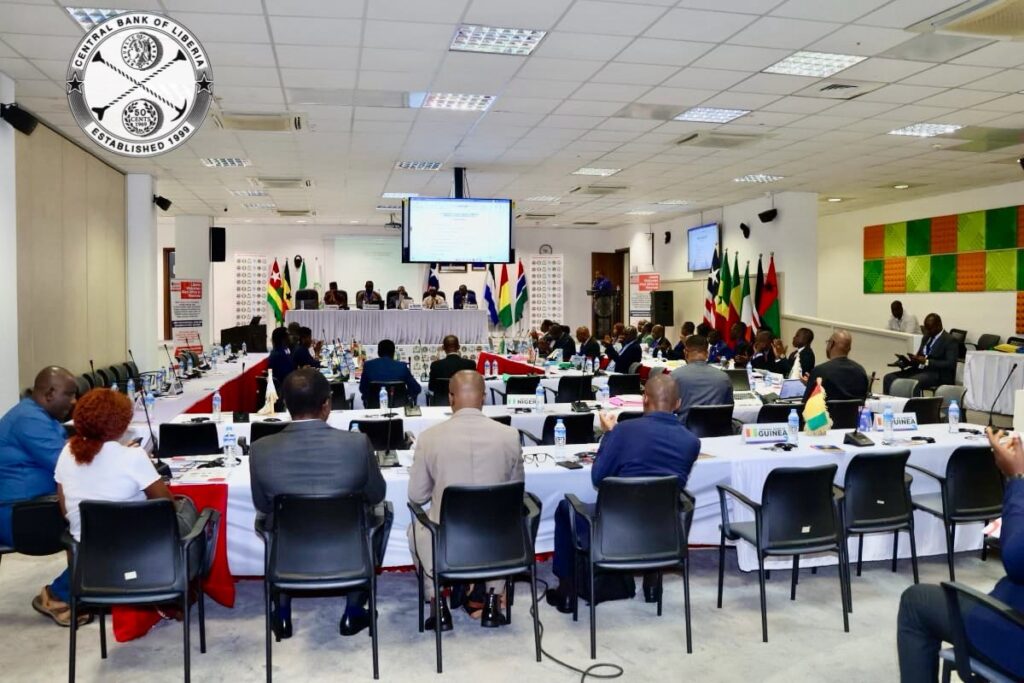
MONROVIA, Liberia — Liberia on Wednesday, February 4th, officially opened a major round of Joint ECOWAS Statutory Meetings, bringing together senior policymakers, central bank governors, regulators, and technical experts from across West Africa to advance monetary cooperation, financial stability, and the long-standing goal of a single regional currency.
The high-level meetings, running from February 4 to 13, convene key ECOWAS monetary and financial institutions, including the West African Monetary Agency (WAMA), the West African Monetary Institute (WAMI), the West African Institute for Financial and Economic Management (WAIFEM), the College of Supervisors of the West African Monetary Zone (CSWAMZ), the West African Insurance Supervisors Association (WAISA), and the College of Insurance Supervisors of the West African Monetary Zone (CISWAMZ).
Hosted jointly by Liberia’s Ministry of Finance and Development Planning and the Central Bank of Liberia (CBL), the meetings underscore Liberia’s growing role in regional economic governance and its renewed commitment to ECOWAS integration at a critical moment for West Africa’s macroeconomic and financial architecture.
A Strategic Moment for Regional Integration
Convened twice annually on a rotational basis among Member States, the ECOWAS Statutory Meetings serve as the region’s principal decision-making platform for reviewing macroeconomic performance, monitoring convergence criteria, and coordinating policies essential to the planned launch of the single currency, the ECO.
This year’s sessions include technical meetings, supervisory colleges, and culminate in two high-level events: the Committee of Governors of Central Banks on February 12 and the Convergence Council of Ministers of Finance and Central Bank Governors on February 13, to be held at the Farmington Hotel in Margibi County.
Officials say the outcomes of these deliberations will shape the pace and credibility of monetary integration, particularly as Member States confront shared challenges ranging from inflationary pressures and fiscal consolidation to financial sector vulnerabilities and global economic shocks.
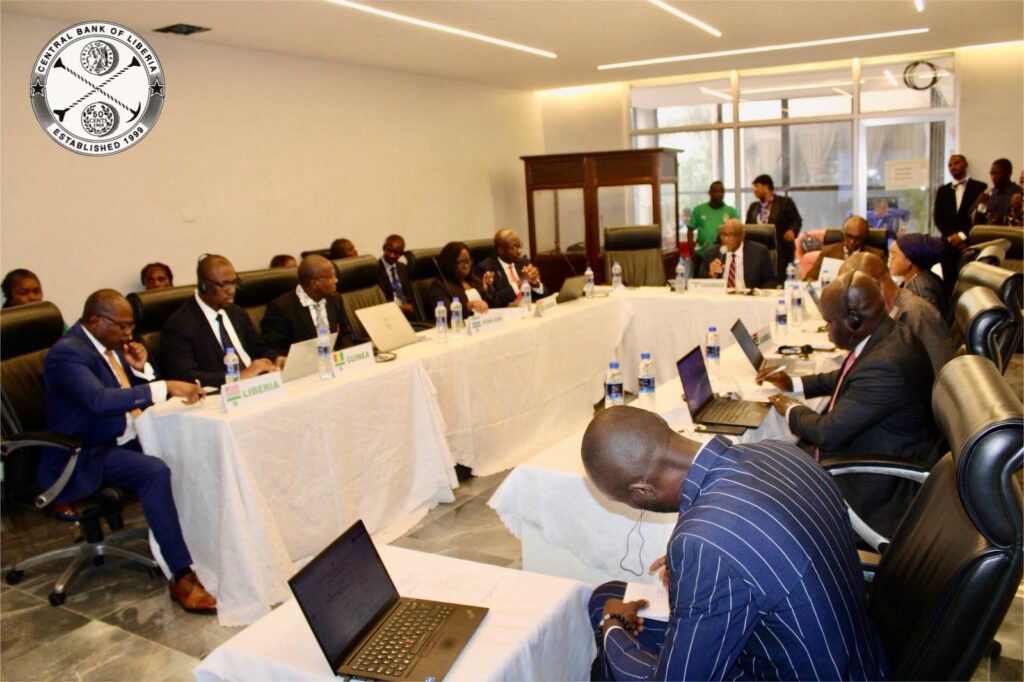
Strong Leadership from the Supervisory Community
Chairing the meetings is Mrs. Mahawa Korjie, Officer-in-Charge of the Banking Supervision Department at the Central Bank of Sierra Leone, whose leadership places banking supervision and cross-border regulatory coordination at the center of the agenda.
Participants note that the prominence of supervisory institutions reflects a growing consensus across ECOWAS that effective financial oversight, harmonized regulation, and coordinated crisis management are prerequisites for any sustainable monetary union.
Liberia’s Message: Stability, Reform, and Cooperation
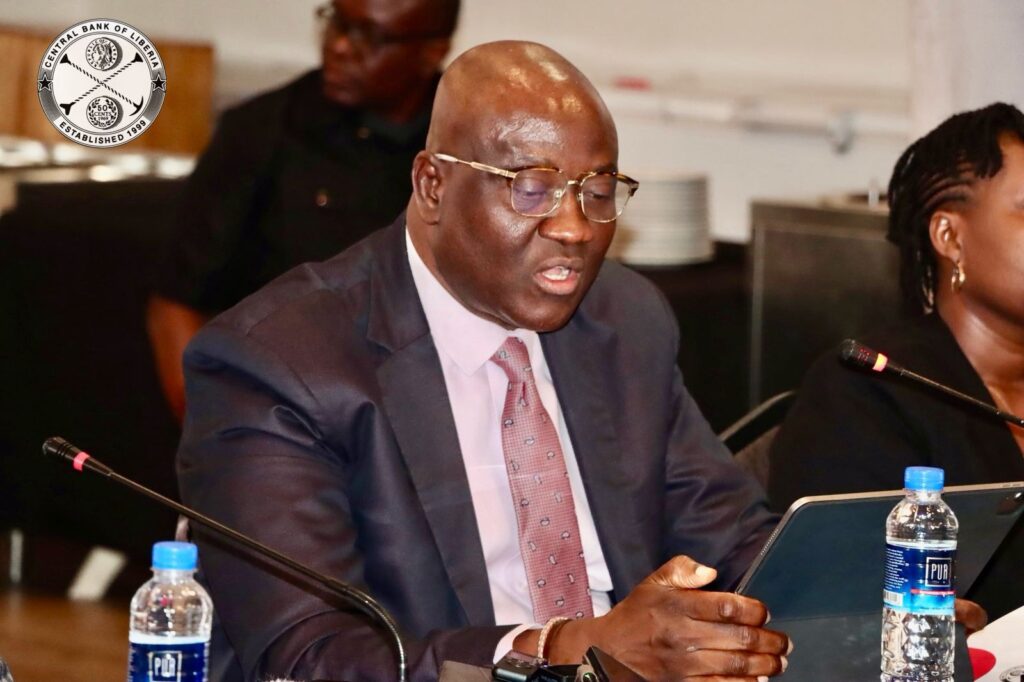
Delivering the keynote address at the opening of the College of Supervisors meetings, CBL Executive Governor Henry F. Saamoi welcomed delegates to Monrovia and reaffirmed Liberia’s commitment to regional cooperation and financial stability.
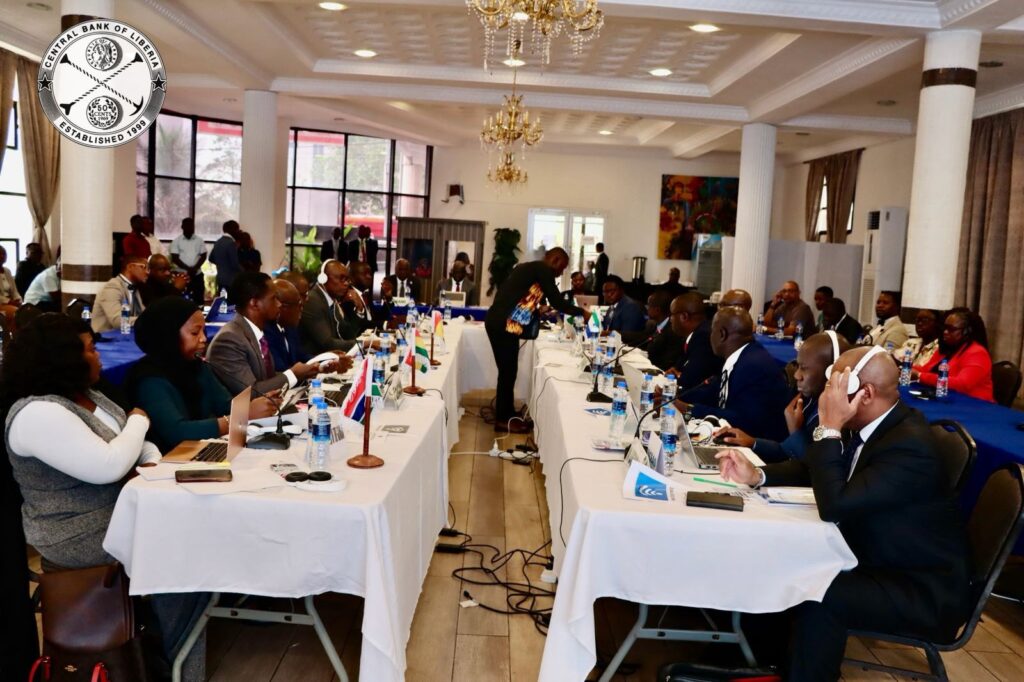
Governor Saamoi described supervisors as “the guardians of financial stability,” stressing that in an increasingly interconnected financial system, isolated national approaches are no longer sufficient. He emphasized that cross-border banking operations, integrated markets, and fast-moving financial shocks demand structured cooperation, information sharing, and joint risk assessment across the region.
He highlighted Liberia’s recent financial-sector reforms, including a phased increase in minimum bank capital requirements from US$10 million to US$15 million between 2026 and 2028, the rollout of interoperable digital payment systems, and the enactment of a new Bank-Financial Institutions and Holding Companies Act aligned with WAMZ model legislation.
“These reforms,” Saamoi noted, “are not only about compliance; they are about resilience, credibility, and building trust in the financial system.”
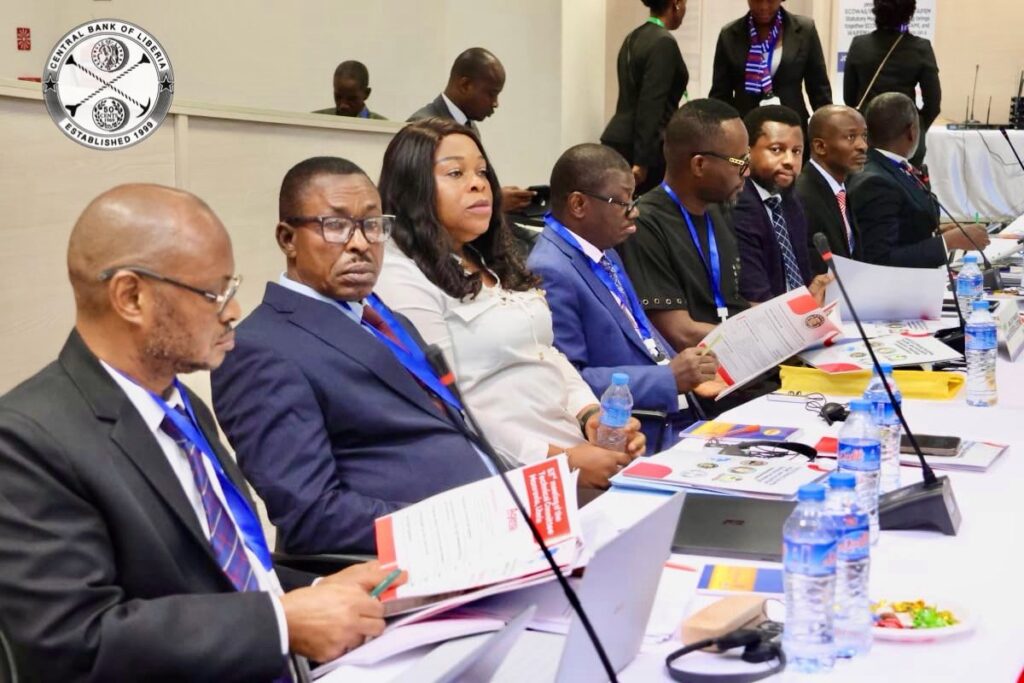
Progress and Persistent Challenges
The CBL Governor also acknowledged ongoing regional and national challenges, including elevated non-performing loans, limited long-term financing, infrastructural constraints, and exposure to global macro-financial volatility. While Liberia has reduced non-performing loans from nearly 18 percent in 2024 to about 12.6 percent in 2025, Saamoi said sustained supervisory vigilance and regional coordination remain essential.
He linked Liberia’s improving macroeconomic indicators—5.1 percent GDP growth in 2025, sharply declining inflation, and strengthening foreign reserves—to disciplined fiscal and monetary policies supported by international partners. These gains, he argued, reinforce Liberia’s credibility within ECOWAS and its readiness to contribute meaningfully to regional convergence efforts.
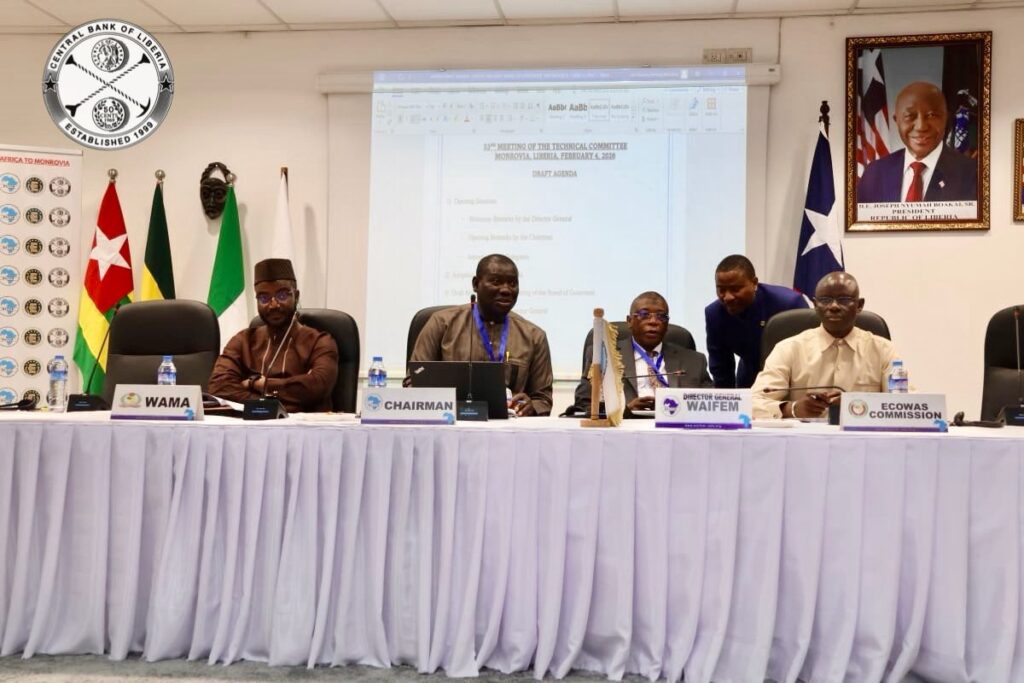
Toward a Credible Monetary Union
Across the various sessions, delegates are expected to review Member States’ performance against ECOWAS convergence benchmarks, assess progress toward harmonizing banking and insurance supervision, and examine policy options to strengthen financial sector resilience.
According to the pre-conference release, the meetings also aim to deepen cooperation among monetary institutions and align national reforms with regional objectives, ensuring that macroeconomic convergence is matched by sound and inclusive financial systems.
Observers say Liberia’s hosting of the meetings carries symbolic and practical significance. As a country emerging from years of fragility, Liberia’s role as host sends a strong signal about its re-integration into regional leadership circles and its determination to help shape West Africa’s economic future.
A Regional Responsibility
As deliberations continue over the coming days, participants agree that the success of ECOWAS monetary integration will depend not only on meeting numerical convergence targets, but also on the strength of institutions, the credibility of supervision, and the depth of cooperation among Member States.
By hosting these statutory meetings, Liberia has placed itself at the heart of those conversations—offering both hospitality and leadership at a moment when regional unity, policy coordination, and financial stability are more critical than ever.
Follow The Liberian Post on Facebook and X (formerly twitter).