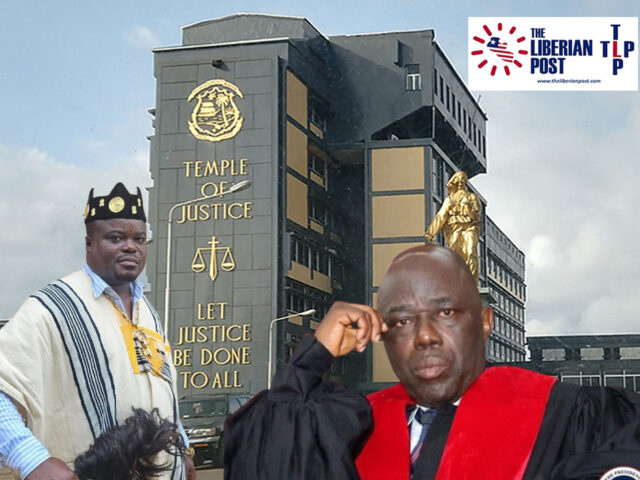
MONROVIA, Liberia — The Supreme Court of Liberia has formally summoned controversial religious figure and social commentator Justin Oldpa Yeazehn, widely known as “Prophet Key,” to appear before its Full Bench to explain why he should not be held in contempt of court for what the judiciary describes as repeated verbal attacks against the Chief Justice and other members of the Bench.
The citation, issued through the Office of the Clerk of the Supreme Court on February 4, 2026, accuses Prophet Key of engaging in what the Court characterized as “continuous and sustained invectives” directed at the Chief Justice, individual Justices, and the Supreme Court as an institution. According to the Court, the alleged conduct has exposed the judiciary to public ridicule and undermined its authority and integrity.

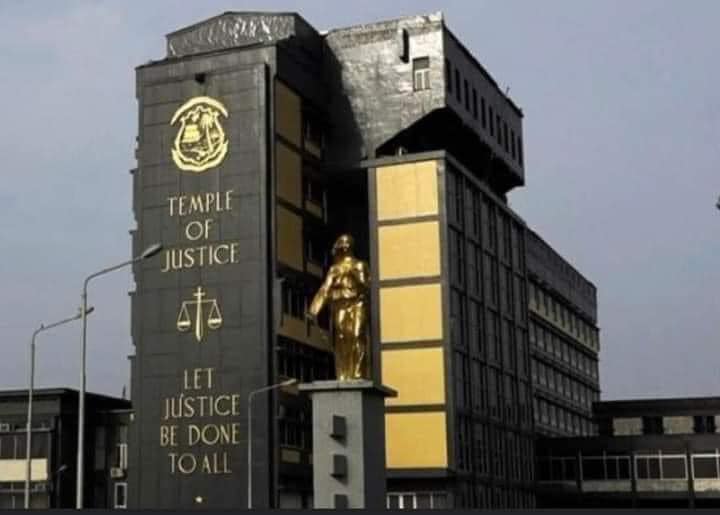
Signed by Supreme Court Clerk Sam Mamulu, the communication orders Prophet Key to appear before the Full Bench on Tuesday, February 10, 2026, at 3:00 p.m. at the Temple of Justice in Monrovia. The hearing will require him to show cause why he should not be adjudged in contempt for statements deemed injurious to the dignity of the Court and the administration of justice.
While the Supreme Court did not publicly detail the specific remarks attributed to Prophet Key, it stressed that the nature, persistence, and severity of the statements warranted intervention by the nation’s highest judicial authority. Under Liberian law, contempt proceedings may be initiated when conduct or speech is considered capable of eroding public confidence in the judiciary or interfering with its constitutional mandate.
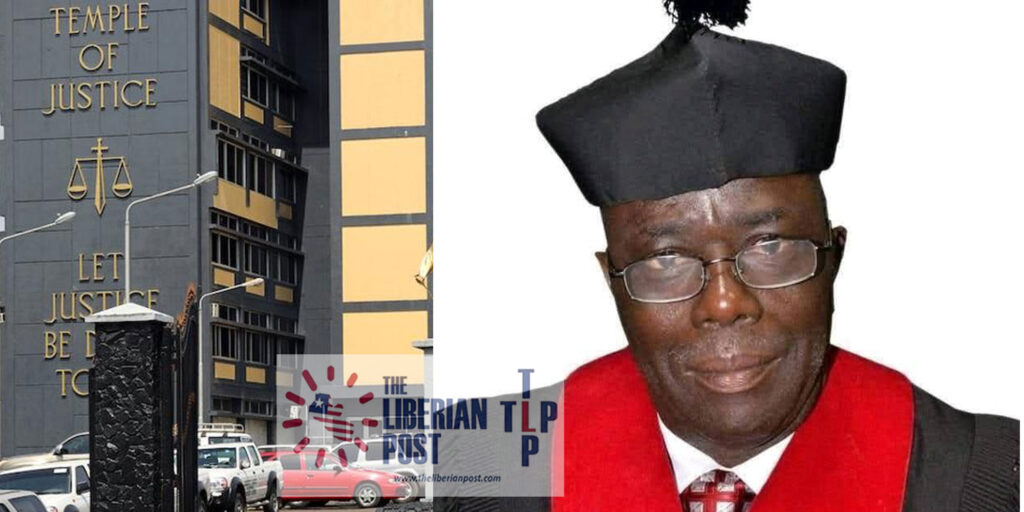
Legal observers note that contempt citations by the Full Bench are rare and typically reserved for cases involving sustained challenges to judicial authority. The move signals the Court’s intent to draw a firm line between constitutionally protected free expression and conduct that it views as threatening the rule of law.
Prophet Key, a self-styled religious leader and outspoken commentator on national affairs, has in recent years gained prominence through ‘sermons’ and social media broadcasts that frequently address governance, politics, and the judiciary. His messaging—often confrontational—has earned him both devoted followers and sharp critics, particularly among legal professionals and civil society actors concerned about the tone and implications of his commentary.
As of press time, Prophet Key had not issued an official response to the citation, and it remains unclear whether he will appear personally or through legal counsel when the matter is heard. Failure to comply with the Court’s order could expose him to additional legal consequences.
The unfolding case is expected to reignite national debate around freedom of speech, respect for state institutions, and the boundaries of public criticism in Liberia’s democratic space, as the Supreme Court asserts its constitutional role as guardian of judicial independence.
Follow The Liberian Post on Facebook and X (formerly twitter)