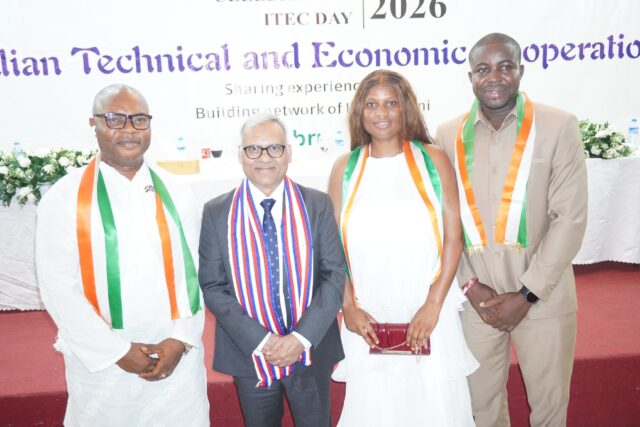
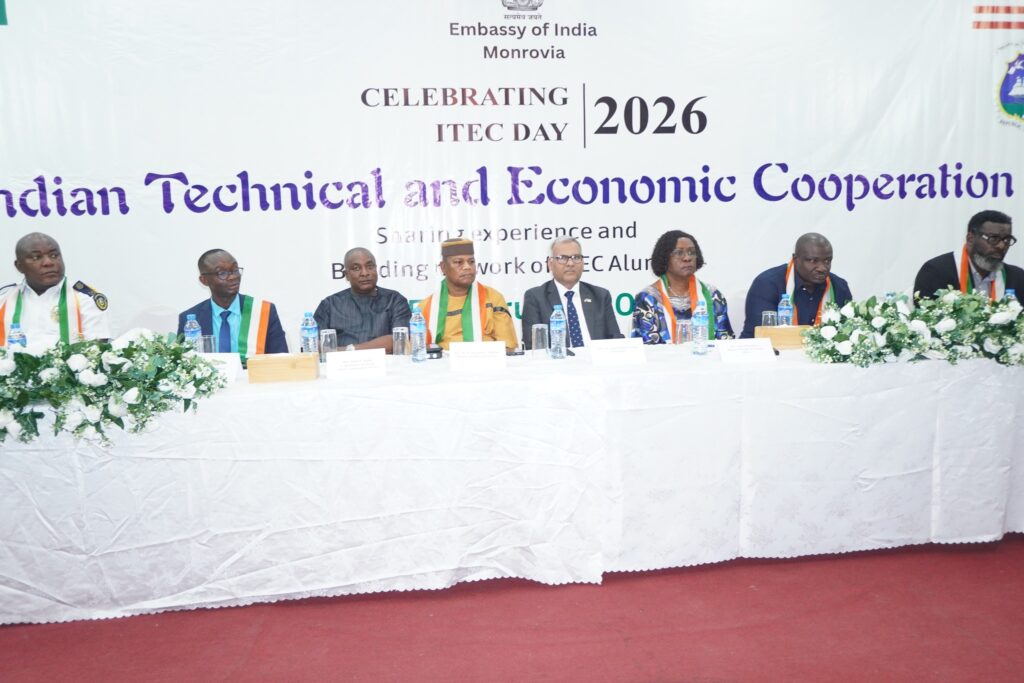
MONROVIA, Liberia — Liberian professionals trained in India under the ITEC Programme have vowed to move beyond certificates and credentials and take a more deliberate role in solving Liberia’s development challenges.
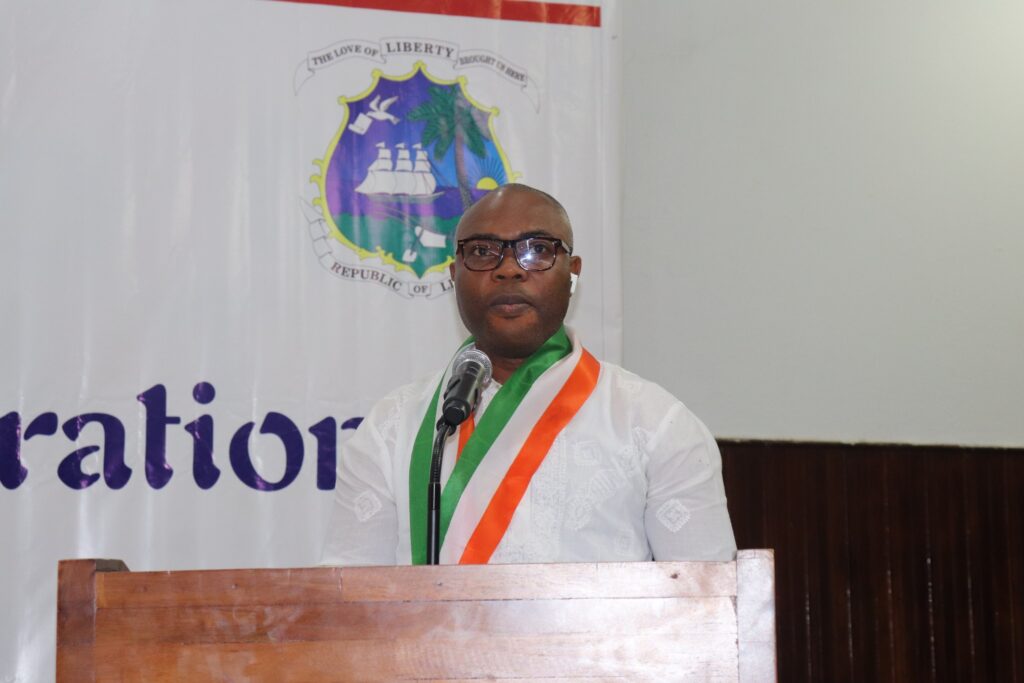
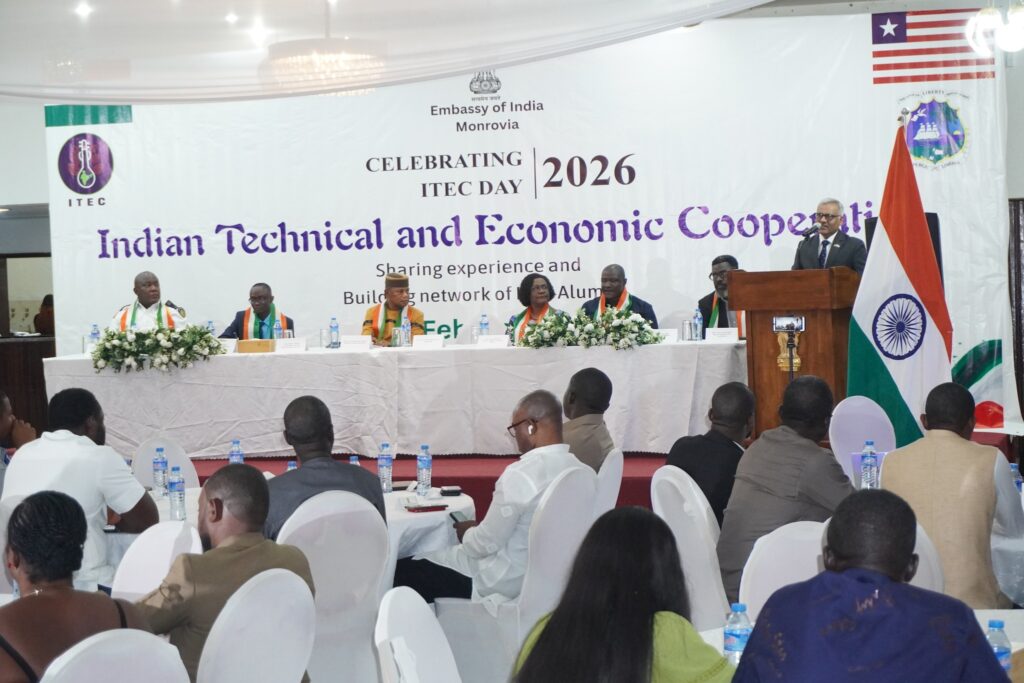
That commitment was articulated by Alaskai Moore Johnson, Acting President of the Liberian Association of Indian-Trained Professionals (LAITP), during remarks that became one of the defining moments of ITEC Day 2026.
“ITEC is not a reward; it is a responsibility,” Johnson told the audience. “Every skill we acquired in India carries an obligation to deliver measurable results for Liberia.”
Johnson highlighted concrete examples where alumni have already translated training into impact, including pilot initiatives that helped reduce technical losses in the power sector and improvements in emergency nursing and triage protocols at public health facilities.
Acknowledging past gaps in coordination among alumni, Johnson announced the revitalization of the ITEC Alumni Association, unveiling four strategic initiatives aimed at making alumni engagement more structured and results-driven:
- A national alumni mentorship network pairing experienced professionals with young public servants.
- A gender and inclusion platform to ensure women and marginalized groups benefit equitably from technical training.
- A digital alumni tracking system to link skills with national development needs.
- An annual ITEC–Liberia impact report to document results and lessons learned.
Johnson challenged the Government of Liberia to institutionalize alumni placement in reform-critical sectors, urging ministries to view Indian-trained professionals as assets for innovation and policy implementation.
He also called on the Indian government to customize future ITEC courses around Liberia’s evolving priorities, including digital governance, climate adaptation, mining value-addition, and public financial management.
Development partners and the private sector were urged to co-finance alumni-led pilot projects capable of demonstrating scalable solutions to long-standing national problems.
“Liberia does not lack trained people,” Johnson said. “What we need is alignment—between skills, opportunity, and national purpose.”
The alumni-centered approach, observers say, signals a shift in how international training programs are evaluated—not by the number of beneficiaries, but by the depth of their impact at home.
Follow The Liberian Post on Facebook and X (formerly twitter)